Winter Stroke Risk in North India: Causes & Prevention
Medically reviewed by Dr. Nikhil Singh, Anaesthesia, MBBS, MD
Last reviewed: 24 Aug 2026
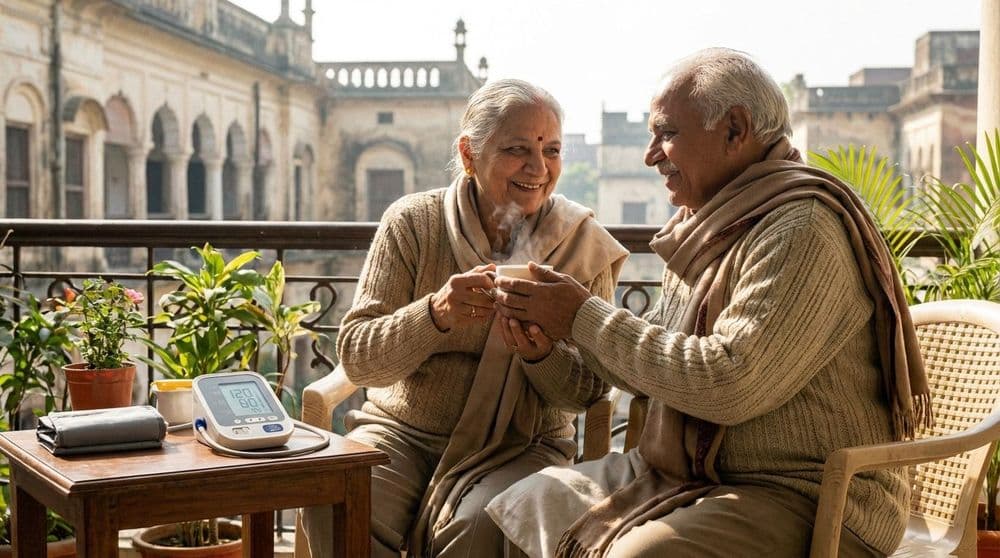
As the crisp winter air settles over North India, bringing relief from the heat, it also ushers in a season of unique health challenges. While we enjoy our warm quilts and hot cups of chai, it's crucial to be aware of a silent threat that sees a significant spike during these colder months: the increased risk of a brain stroke. Many studies confirm that emergency rooms in cities like Delhi and Lucknow see more stroke patients in winter, a trend that highlights the need for greater awareness and proactive care.
This comprehensive guide will explain why the brain stroke risk rises in winter and offer practical, localized advice, including some time-tested 'desi nuskhe', to help you and your loved ones stay healthy and safe.
Why Does Winter Increase Brain Stroke Risk?
The connection between cold weather and strokes isn't a coincidence; it's rooted in our body's physiological responses to dropping temperatures. Several factors, as highlighted by medical experts, contribute to this increased vulnerability.
Blood Vessel Constriction
When exposed to cold, your body's natural reaction is to preserve heat. It does this by narrowing the blood vessels, particularly those in your extremities. This process, called vasoconstriction, increases your blood pressure because the heart has to pump harder to circulate blood through these tightened vessels. According to Apollo Hospitals, this spike in blood pressure is a primary contributor to a higher risk of stroke, especially for individuals already dealing with hypertension.
Thicker Blood and Dehydration
In winter, we often tend to drink less water, leading to mild dehydration. Dehydration can cause the blood to become thicker and more viscous. This, combined with constricted blood vessels, increases the likelihood of blood clot formation. A clot that travels to the brain can block blood flow, causing an ischemic stroke, the most common type of stroke.
Reduced Physical Activity
The cold, foggy mornings in many parts of North India can make it difficult to stick to an exercise routine. A more sedentary lifestyle, as noted by PSRI Hospital, can lead to weight gain and poor circulation, both of which are significant risk factors for stroke. Less movement means the blood flow is more sluggish, which can contribute to clotting.
Dietary Changes
Winter in North India is synonymous with rich, comforting foods. We often indulge in fried snacks, ghee-laden sweets, and high-salt foods. This dietary shift can negatively impact cholesterol levels and blood pressure. High salt intake, in particular, is a well-known factor that elevates blood pressure, putting extra strain on your cardiovascular system.
Indirect Risks from Winter Illnesses
Winter is also the season for colds, flu, and other respiratory infections. As pointed out by Max Hospital, illnesses that cause fever, inflammation, and dehydration can disturb the body's normal blood flow and increase the short-term risk of a stroke. The body's inflammatory response to an infection can make blood platelets stickier and more likely to form clots.
Recognizing the Warning Signs: Act BE FAST
Time is critical when it comes to a stroke. Knowing the signs and acting immediately can save a life and improve the chances of recovery. Remember the acronym BE FAST:
- B - Balance: Is the person suddenly having trouble with balance or coordination?
- E - Eyes: Is the person experiencing blurred or double vision, or a sudden loss of vision in one or both eyes?
- F - Face: Does one side of the face droop when the person tries to smile?
- A - Arms: Can the person raise both arms? Does one arm drift downward?
- S - Speech: Is their speech slurred? Are they unable to speak or hard to understand?
- T - Time: If you see any of these signs, it's Time to call for emergency medical help immediately.
Prevention is Key: Desi Nuskhe and Modern Tips for a Safe Winter
While the risks are real, the good news is that up to 80% of strokes are preventable. Here are some simple yet effective steps you can take to protect yourself.
Stay Warm, Stay Smart
This is the most straightforward advice from The Times of India. Dress in layers to trap body heat effectively. Don't forget to wear a cap, gloves, and warm socks, as a lot of body heat is lost through the head, hands, and feet. Keep your home adequately heated, but ensure proper ventilation to avoid the buildup of pollutants, especially in cities with poor air quality.
Focus on 'Ghar ka Khana'
Embrace a heart-healthy diet. Reduce your intake of salt, sugar, and unhealthy fats. Include plenty of seasonal vegetables, whole grains, and lean proteins. Warm soups and broths are an excellent way to stay nourished and hydrated. Adding garlic and ginger to your meals can also help improve circulation.
Don't Forget to Hydrate
Make a conscious effort to drink enough water throughout the day. If cold water is unappealing, opt for warm water, herbal teas like tulsi or ginger tea, or clear soups. Proper hydration is essential for maintaining normal blood viscosity and smooth blood flow.
Keep Moving, Even Indoors
Don't let the cold weather make you inactive. Engage in simple indoor exercises, stretching, or yoga. If possible, take a brisk walk during the warmer, sunnier parts of the day. Regular physical activity is vital for managing weight, blood pressure, and overall cardiovascular health.
Monitor Your Vitals
If you have pre-existing conditions like hypertension or diabetes, be extra vigilant during winter. Monitor your blood pressure regularly at home, as recommended by Max Healthcare. Take your medications as prescribed by your doctor and never make changes to your dosage without consultation.
Experiencing persistent symptoms? Consult Dr. Rahul Singh, a leading Neurologist in your area. Book Appointment
Related reading
Written by
Top Anesthesiologist doctors in Lucknow on Zospital
Verified specialists you can book in minutes.
- Book appointment

Dr. Sanni Deyol Gautam
Anesthesiologist
Lucknow
4.8 - Book appointment
Dr Karanvir Singh Sidhu
Anesthesiologist
Lucknow
4.8 - Book appointment
Dr Harpreet Kaur
Anesthesiologist
Lucknow
4.8 - Book appointment
Dr. Akshat Trivedi
Anesthesiologist
Lucknow
4.5 - Book appointment
Aveline Pascual Jerome, MD
Anesthesiologist
Ajmer
5 - Book appointment
Dr. Vivek Kumar Sharma - Laser & Advanced Laparoscopy Surgeon In Ajmer
Anesthesiologist
Ajmer
4.7
Have More Questions?
Find quick answers to common questions about our services, appointments, and patient care.
Yes, while strokes can happen at any time of year, studies presented by the American Heart Association have shown they occur more often during the winter months. Cold weather can influence several factors that contribute to stroke risk.
Simple prevention tips include: dressing warmly in layers and covering extremities; monitoring your blood pressure regularly; and staying hydrated by drinking sufficient water for smooth blood flow.
Unhealthy lifestyle habits that can raise stroke risk include drinking too much alcohol, getting more than 9 hours of sleep, and using illegal drugs. Race and ethnicity can also be a factor.
Yes, this is a disturbing fact because about 80% of strokes are preventable. Despite this, almost 800,000 people have a stroke each year, and many survivors face disability.

“Your Health, Our Priority. Your Voice, Our Guide”
Dr. Nikhil Singh
Anaesthesia, MBBS, MD
Private hospitals in Lucknow on Zospital
Prefer a private option? These hospitals in Lucknow list their doctors and take bookings.
- Paarth Eye Hospital & Retina Centre
- Urmila Devi Memorial Hospital- Child Specialist Hospital in Lucknow | Pediatrician hospital
- SPARSH CHILDREN'S HOSPITAL & VACCINATION CENTER | Child Hospital in Raebareli Road Lucknow | Dr. Akhilesh Pandey |
Related Articles

AI in Healthcare: A Revolution in North India
Artificial Intelligence (AI) is no longer science fiction; it's a powerful tool that is completely changing the Indian healthcare system for the better, offering hope for improved quality, cost, and accessibility.
AI in Indian Healthcare: The Future of Medicine is Here
Artificial Intelligence (AI) is rapidly changing Indian healthcare, offering faster diagnoses, personalized treatments, and smarter hospital operations for a healthier future.
Lower Back Pain: A Guide for When to Seek Help in Lucknow
Lower back pain is a common issue, but not all aches are the same. This guide helps Lucknow residents understand when self-care is enough and when it's time to consult a doctor.
Written by Dr. Nikhil Singh
Anaesthesia, MBBS, MD
Last reviewed: 24 August 2026
Medical Disclaimer
The content provided on Zospital is for general informational and educational purposes only. It is not intended as a substitute for professional medical advice, diagnosis, or treatment. Always seek the advice of your physician or other qualified healthcare provider with any questions you may have regarding a medical condition. Never disregard professional medical advice or delay in seeking it because of something you have read on this website. If you think you may have a medical emergency, call your doctor or emergency services immediately.
Are you a doctor or run a clinic or hospital?
Patients across India are searching Zospital right now. Get a free profile with reviews, timings and direct WhatsApp bookings.