IMD Warns of Cold Wave in North India: Stay Safe Tips
Medically reviewed by Dr. Nikhil Singh, Anaesthesia, MBBS, MD
Last reviewed: 24 Aug 2026
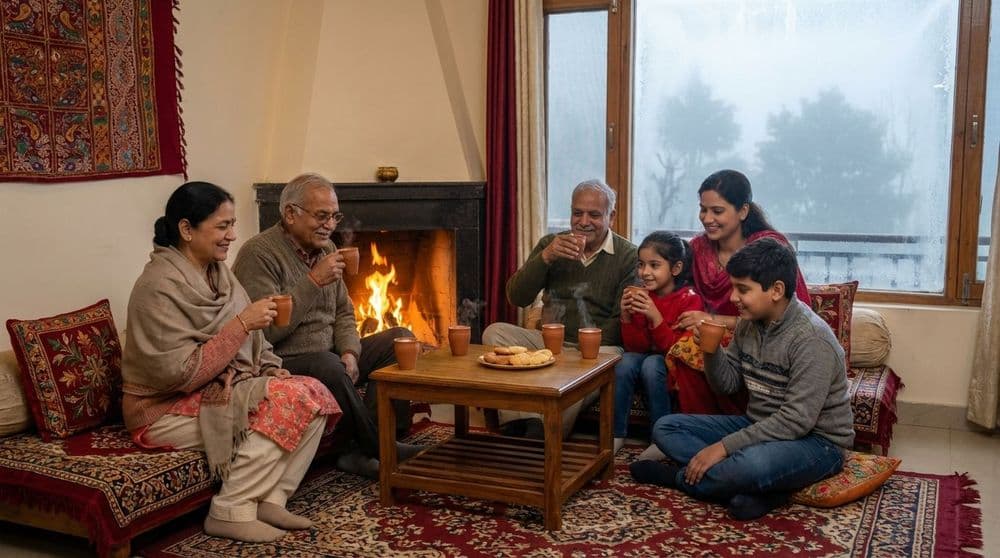
The familiar winter chill is about to get more intense. The India Meteorological Department (IMD) has issued a stern warning: a severe cold wave to hit North India is expected this week, sending temperatures plummeting across cities like Delhi, Lucknow, and the broader plains. This isn't just about feeling a bit colder; it's a significant public health event that requires our attention and preparation, especially for the most vulnerable among us.
As the icy winds sweep down from the Himalayas, they bring more than just fog and frost. They bring a host of health risks, from the common cold and flu to more severe conditions like hypothermia and increased strain on the heart. This guide is your essential companion to navigate this cold spell safely, combining expert advice with timeless desi nuskhe to keep you and your family warm and healthy.
What is a Cold Wave and Why is North India at Risk?
Before we dive into precautions, it's important to understand what we're up against. The IMD declares a 'cold wave' when the minimum temperature in the plains drops to 10°C or less and is significantly below the normal temperature for that period. According to the National Centre for Disease Control (NCDC), states like Uttar Pradesh, Haryana, Punjab, Bihar, and Jammu and Kashmir are particularly prone to these extreme weather events.
The geography of North India, far from the moderating influence of the sea, makes it susceptible to cold, dry winds from Central Asia. Coupled with the persistent winter pollution and fog in cities like Delhi, this creates a challenging environment for our health. The National Disaster Management Authority (NDMA) emphasizes a multi-sectoral approach to manage these risks, highlighting that this is a community-wide responsibility.
Health Risks of the Cold Wave to Hit North India
A sudden and prolonged drop in temperature can have serious effects on the body. The cold forces your heart to work harder to pump blood and maintain body temperature, which can be dangerous for some individuals. The key is to recognize the warning signs and act quickly.
Some of the primary health risks include:
- Hypothermia: This is a dangerous drop in body temperature and can be life-threatening. The Government of National Capital Territory of Delhi advises everyone to not ignore shivering, as it's the first sign your body is losing heat.
- Frostbite: This is an injury caused by freezing of the skin and underlying tissues. Fingers, toes, nose, and ears are most commonly affected.
- Respiratory Illnesses: Cold air can irritate your airways, making you more susceptible to infections like the flu, bronchitis, and pneumonia. The infamous winter pollution in cities like Delhi and Lucknow further aggravates these conditions.
- Cardiovascular Stress: The cold causes blood vessels to constrict, which can increase blood pressure and the risk of heart attack or stroke, especially for those with pre-existing conditions.
Special Care for Vulnerable Groups
While everyone needs to be cautious, some groups are at a much higher risk during a cold wave.
- The Elderly: Older adults often have lower body fat and a reduced ability to regulate their body temperature, making them highly susceptible to hypothermia.
- Young Children: Infants and young children lose body heat more rapidly than adults and need to be monitored closely.
- People with Chronic Illnesses: Individuals with heart disease, asthma, or diabetes must take extra precautions. As per health advisories, it's critical for heart patients to limit cold exposure and avoid overexertion.
Your Essential Cold Wave Survival Guide: The Do's and Don'ts
Following official guidelines is the best way to protect yourself. Based on advisories from the IMD and various health departments, here is a simple list of do's and don'ts.
What You MUST Do (The 'Do's')
- Stay Indoors: The most straightforward advice from agencies like RMC Nagpur is to stay indoor as much as possible. Minimize travel and limit your time outside.
- Dress in Layers: Wear several layers of loose-fitting, warm clothing. This traps air and provides better insulation than one single heavy layer. Don't forget a cap, muffler, and gloves.
- Stay Hydrated: You may not feel thirsty in the cold, but it's crucial to stay hydrated. News18 suggests drinking lukewarm water. Warm fluids like soups and herbal teas are excellent choices.
- Keep Dry: Wet clothing dramatically increases heat loss from the body. If you get caught in rain or snow, change your clothes as quickly as possible to stay dry.
- Plan Your Day: If you must go out, the Hindustan Times suggests scheduling activities during the warmest parts of the day, which is typically the afternoon.
- Eat for Warmth: Consume nutritious, warming foods. We'll explore this more in our ghar ka khana section below.
What You MUST AVOID (The 'Don'ts')
- Don't Drink Alcohol: This is a critical warning from the Government of Delhi. Alcoholic beverages might make you feel warm initially, but they cause your body to lose heat more quickly, increasing the risk of hypothermia.
- Don't Ignore Warning Signs: Pay attention to your body. Uncontrollable shivering, drowsiness, memory loss, or slurred speech are all signs of hypothermia. Seek medical help immediately.
- Avoid Overexertion: Activities like shoveling snow or heavy exercise outdoors can put a dangerous strain on your heart in the cold.
- Don't Massage Frostbitten Skin: This is a common mistake. The Delhi government advisory strictly warns not to massage a frostbitten area as it can cause more tissue damage. Instead, use lukewarm (not hot) water to gently rewarm the area.
Ghar Ka Khana: Using Desi Nuskhe to Stay Warm
Our Indian kitchens are treasure troves of wisdom for beating the winter chill. The right ghar ka khana can boost your immunity and provide the warmth your body needs from the inside out.
As advised in a report by India Today, it's time to embrace our traditional winter foods. Here’s how:
- Embrace Warm Spices: Incorporate spices known for their warming properties. Add Adrak (ginger) and Dalchini (cinnamon) to your tea. Use Haldi (turmeric) generously in your sabzis and dals for its anti-inflammatory and immunity-boosting benefits.
- Drink Soups and Kadha: There's nothing more comforting than a warm bowl of soup. Lentil (dal) soup, vegetable soup, or a traditional kadha made with tulsi, ginger, and black pepper can work wonders.
- Eat Seasonal Superfoods: Nature gives us what we need for each season. Include Til (sesame seeds) and Gud (jaggery) in your diet. A simple til-gud laddu is a powerhouse of energy and warmth.
- Boost Your Vitamin C: To fight off colds and flu, increase your intake of Vitamin C. Amla, oranges, and guavas are excellent sources. A daily glass of lukewarm water with lemon and honey can also be beneficial.
As this cold wave approaches, let's prioritize our health and the well-being of those around us. Check on elderly neighbours, keep your children warmly dressed, and follow the official advice. By being prepared, we can enjoy the beauty of winter while staying safe, warm, and healthy.
Related reading
Written by
Top Anesthesiologist doctors in Lucknow on Zospital
Verified specialists you can book in minutes.
- Book appointment

Dr. Sanni Deyol Gautam
Anesthesiologist
Lucknow
4.8 - Book appointment

Dr Karanvir Singh Sidhu
Anesthesiologist
Lucknow
4.8 - Book appointment
Dr Harpreet Kaur
Anesthesiologist
Lucknow
4.8 - Book appointment

Dr. Akshat Trivedi
Anesthesiologist
Lucknow
4.5 - Book appointment
Aveline Pascual Jerome, MD
Anesthesiologist
Ajmer
5 - Book appointment
Dr. Vivek Kumar Sharma - Laser & Advanced Laparoscopy Surgeon In Ajmer
Anesthesiologist
Ajmer
4.7
Have More Questions?
Find quick answers to common questions about our services, appointments, and patient care.
A 'cold wave' is declared when the minimum temperature in the plains is 10°C or less, or 0°C or less in hilly regions. It can also be declared if temperatures are 4.5°C to 6.4°C below the normal for that specific area.
To protect yourself, dress in warm layers, stay indoors as much as possible, and ensure your head, hands, and feet are well-covered. It is also important to stay hydrated with warm drinks, eat nutritious food, and avoid consuming alcohol.
Cold waves in North India are typically caused by the movement of cold, dry air masses from Central Asia, brought by weather systems called western disturbances. Factors like clear skies and low moisture can intensify the cooling effect, especially at night.
Winter often sees a rise in illnesses like colds and flu. To prevent the spread of germs, it is crucial to maintain good hygiene. Wash your hands frequently with soap and water, and use a hand sanitiser when you are on the go.

“Your Health, Our Priority. Your Voice, Our Guide”
Dr. Nikhil Singh
Anaesthesia, MBBS, MD
Private hospitals in Lucknow on Zospital
Prefer a private option? These hospitals in Lucknow list their doctors and take bookings.
- Paarth Eye Hospital & Retina Centre
- Urmila Devi Memorial Hospital- Child Specialist Hospital in Lucknow | Pediatrician hospital
- SPARSH CHILDREN'S HOSPITAL & VACCINATION CENTER | Child Hospital in Raebareli Road Lucknow | Dr. Akhilesh Pandey |
Related Articles
Dengue in Chandigarh: A Post-Monsoon Prevention Guide
An extended monsoon has led to a spike in dengue cases in Chandigarh. This guide covers crucial prevention strategies and symptoms to watch out for.
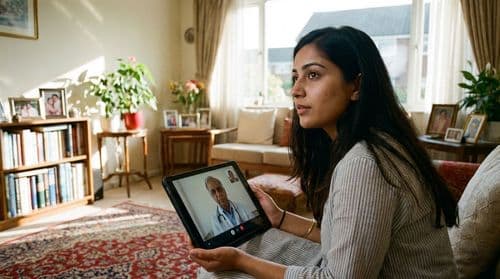
Digital Health in India: A Revolution in Your Pocket
India is undergoing a massive digital health transformation. Discover the key trends like telemedicine and AI that are bridging gaps and making quality healthcare available to all.

Garbh Sanskar: Ancient Wisdom for Modern Pregnancy
An in-depth guide to the ancient Indian practice of Garbh Sanskar, detailing its benefits, core principles, and how to incorporate it into a modern pregnancy for holistic wellbeing.
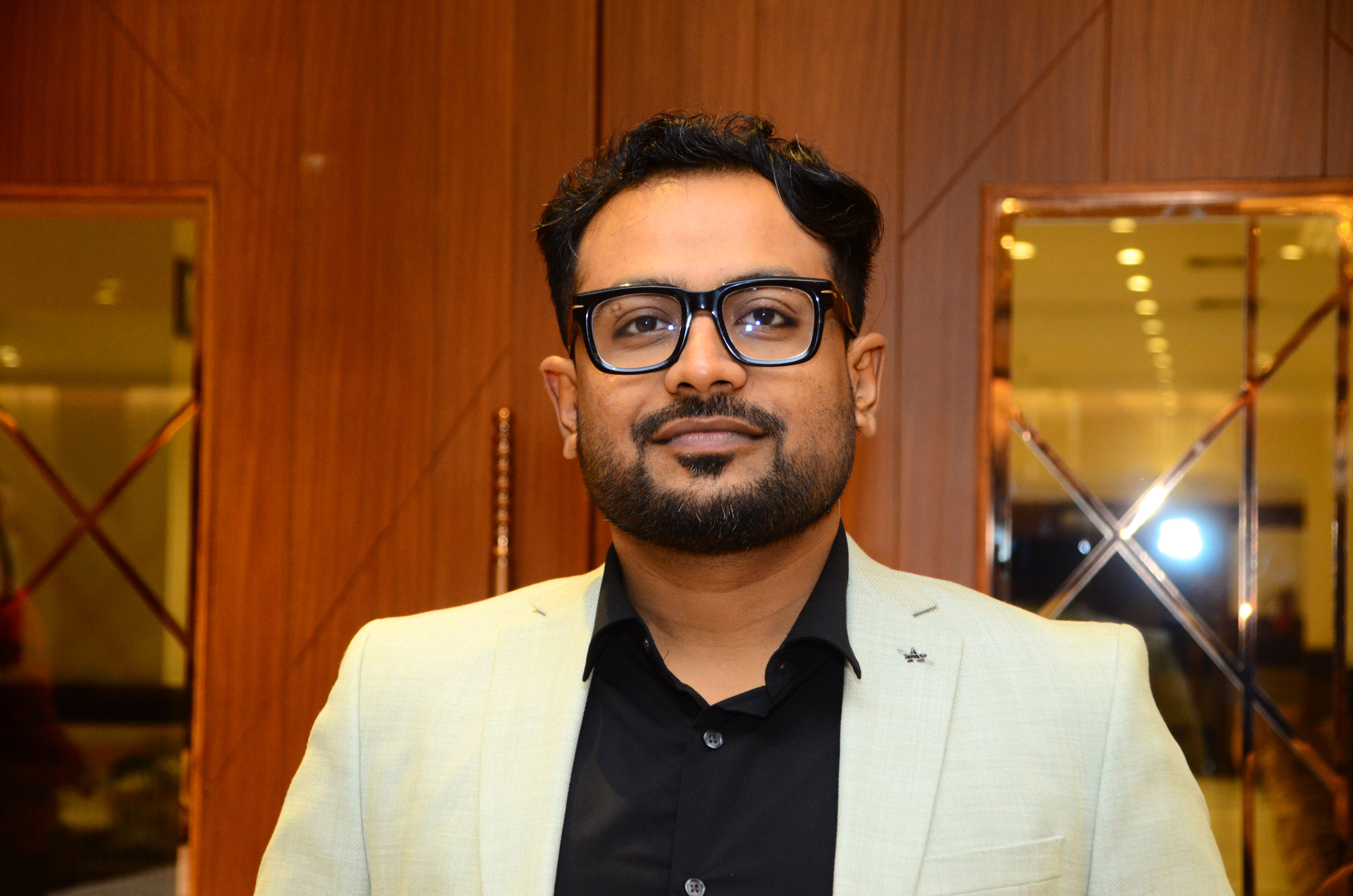
Written by Dr. Nikhil Singh
Anaesthesia, MBBS, MD
Last reviewed: 24 August 2026
Medical Disclaimer
The content provided on Zospital is for general informational and educational purposes only. It is not intended as a substitute for professional medical advice, diagnosis, or treatment. Always seek the advice of your physician or other qualified healthcare provider with any questions you may have regarding a medical condition. Never disregard professional medical advice or delay in seeking it because of something you have read on this website. If you think you may have a medical emergency, call your doctor or emergency services immediately.
Are you a doctor or run a clinic or hospital?
Patients across India are searching Zospital right now. Get a free profile with reviews, timings and direct WhatsApp bookings.