AI in Indian Healthcare: The Future of Medicine is Here
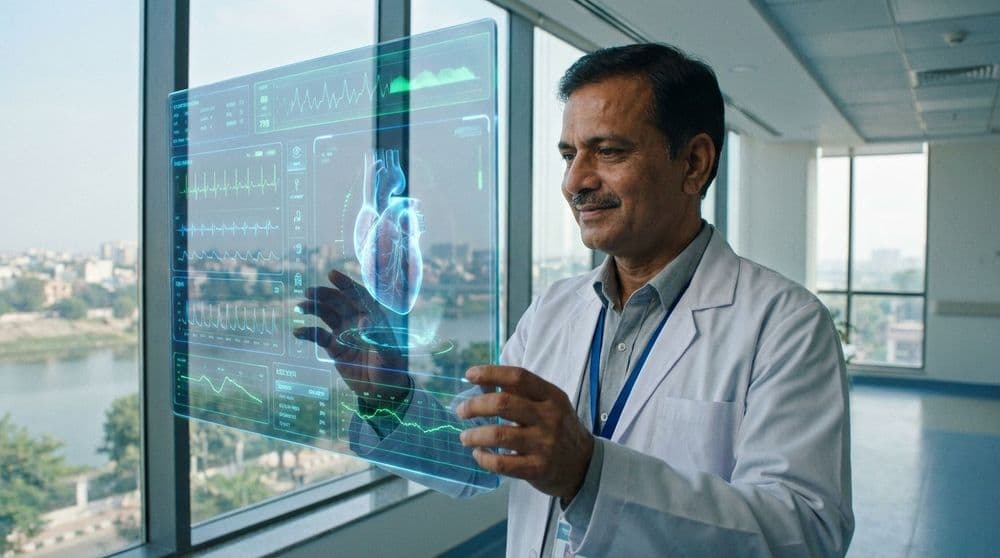
Medically reviewed by Dr. Nikhil Singh, Anaesthesia, MBBS, MD
Last reviewed: 24 Aug 2026
Artificial Intelligence is no longer a concept from science fiction; it's a powerful tool that is actively reshaping our world. One of the most promising areas where this technology is making a significant impact is healthcare. The rise of AI in Indian Healthcare marks the beginning of a new era, promising to make medical services more accessible, accurate, and efficient for everyone, from bustling cities like Delhi to remote villages.
What Exactly is AI in Healthcare?
Think of AI as a highly intelligent assistant for doctors and hospital staff. It uses complex algorithms, similar to the human brain, to analyze vast amounts of medical data—like X-rays, medical records, and research papers—at a speed no human ever could. This isn't about replacing doctors, but empowering them with better tools. As stated in multiple reports, AI is extremely helpful for improving the efficiency of diagnosis and developing new treatments, helping doctors make faster and more informed decisions.
How AI is Revolutionizing Indian Hospitals
Across North India and beyond, hospitals are beginning to adopt AI-powered solutions to tackle long-standing challenges. This digital transformation, supported by government initiatives and innovative startups, is already showing incredible results.
Sharper and Faster Diagnosis
One of the biggest applications of AI is in medical imaging. AI algorithms can scan X-rays, MRIs, and CT scans to spot signs of diseases like cancer or tumours with remarkable accuracy, sometimes even before a human expert can. For instance, startups like NIRAMAI are using AI for early-stage breast cancer detection. This means quicker diagnosis, which is often the key to successful treatment. The technology is also being used in pathology, where AI can analyze blood smears remotely, bringing expert-level analysis to places that lack specialists.
Personalized Treatment: Not One-Size-Fits-All
Every person's body is different, so why should their treatment be the same? AI helps create personalized medicine. By analyzing a patient's genetic data, lifestyle, and medical history, AI can predict how they might respond to certain drugs or therapies. This is especially revolutionary in complex fields like oncology, where it helps doctors choose the most effective treatment plan for an individual, minimizing side effects and improving outcomes.
Smarter Hospital Management
Beyond treating patients, AI is also making hospitals run more smoothly. Predictive analytics, a key feature of AI, can forecast patient admission rates, helping hospitals in cities like Lucknow or Varanasi manage bed availability and staff schedules more effectively. This reduces waiting times and ensures that critical resources are always available when needed. It also automates administrative tasks, freeing up doctors and nurses to focus more on patient care.
Advancements in Surgery and Emergency Care
AI is also entering the operation theatre. AI-powered robotic surgery allows for greater precision and control, leading to less invasive procedures and faster recovery times. In emergency situations like a stroke, time is critical. According to a report by IndiaAI, Apollo Hospitals has partnered to use AI-powered stroke treatment that significantly speeds up the process from diagnosis to treatment, saving lives and reducing long-term disability.
Challenges on the Path to an AI-Powered Future
While the potential is immense, the journey is not without its hurdles. Ensuring the quality and privacy of patient data is a major concern. We must also develop clear ethical guidelines to prevent any bias in the algorithms and ensure that the technology is used responsibly. Building the necessary digital infrastructure and training healthcare professionals to use these new tools are also crucial steps for a successful nationwide rollout.
Despite these challenges, the future of AI in Indian healthcare looks incredibly bright. It holds the key to overcoming healthcare disparities and bringing world-class medical care to every corner of the country.
Experiencing persistent symptoms or have concerns about your diagnostic scans? Consult Dr. Pranjal Sharma, a leading Radiologist / Imaging Specialist in your area. Book Appointment
Related reading
Written by
Top Anesthesiologist doctors in Lucknow on Zospital
Verified specialists you can book in minutes.
- Book appointment

Dr. Sanni Deyol Gautam
Anesthesiologist
Lucknow
4.8 - Book appointment

Dr Karanvir Singh Sidhu
Anesthesiologist
Lucknow
4.8 - Book appointment

Dr Harpreet Kaur
Anesthesiologist
Lucknow
4.8 - Book appointment
Dr. Akshat Trivedi
Anesthesiologist
Lucknow
4.5 - Book appointment
Aveline Pascual Jerome, MD
Anesthesiologist
Ajmer
5 - Book appointment
Dr. Vivek Kumar Sharma - Laser & Advanced Laparoscopy Surgeon In Ajmer
Anesthesiologist
Ajmer
4.7
Have More Questions?
Find quick answers to common questions about our services, appointments, and patient care.
AI is used for faster and more accurate diagnosis from medical scans (like X-rays), discovering new drugs, personalizing treatment plans for patients, automating administrative tasks, assisting in robotic surgery, and predicting hospital needs to manage resources better.
Currently, hospitals use AI primarily to increase speed and accuracy. This includes using AI algorithms to analyze medical images like X-rays and CT scans, which helps doctors make quicker and more precise diagnoses of various conditions.
Sarvam-1 is a new large language model developed in India that is specifically optimized for ten major Indian languages. It is designed for tasks like language translation, summarizing text, and generating content in local languages.

“Your Health, Our Priority. Your Voice, Our Guide”
Dr. Nikhil Singh
Anaesthesia, MBBS, MD
Private hospitals in Lucknow on Zospital
Prefer a private option? These hospitals in Lucknow list their doctors and take bookings.
- Paarth Eye Hospital & Retina Centre
- Urmila Devi Memorial Hospital- Child Specialist Hospital in Lucknow | Pediatrician hospital
- SPARSH CHILDREN'S HOSPITAL & VACCINATION CENTER | Child Hospital in Raebareli Road Lucknow | Dr. Akhilesh Pandey |
Related Articles

Lower Back Pain: A Guide for When to Seek Help in Lucknow
Lower back pain is a common issue, but not all aches are the same. This guide helps Lucknow residents understand when self-care is enough and when it's time to consult a doctor.

CGHS Knee Replacement Rules: Your 2024 Guide
A comprehensive guide for Central Government Health Scheme beneficiaries on the rules, rates, and procedures for getting knee replacement surgery covered.
Contraception Myths in India: Facts vs. Fiction
This article debunks common myths surrounding contraception in North India, providing factual information to help you make informed health decisions.
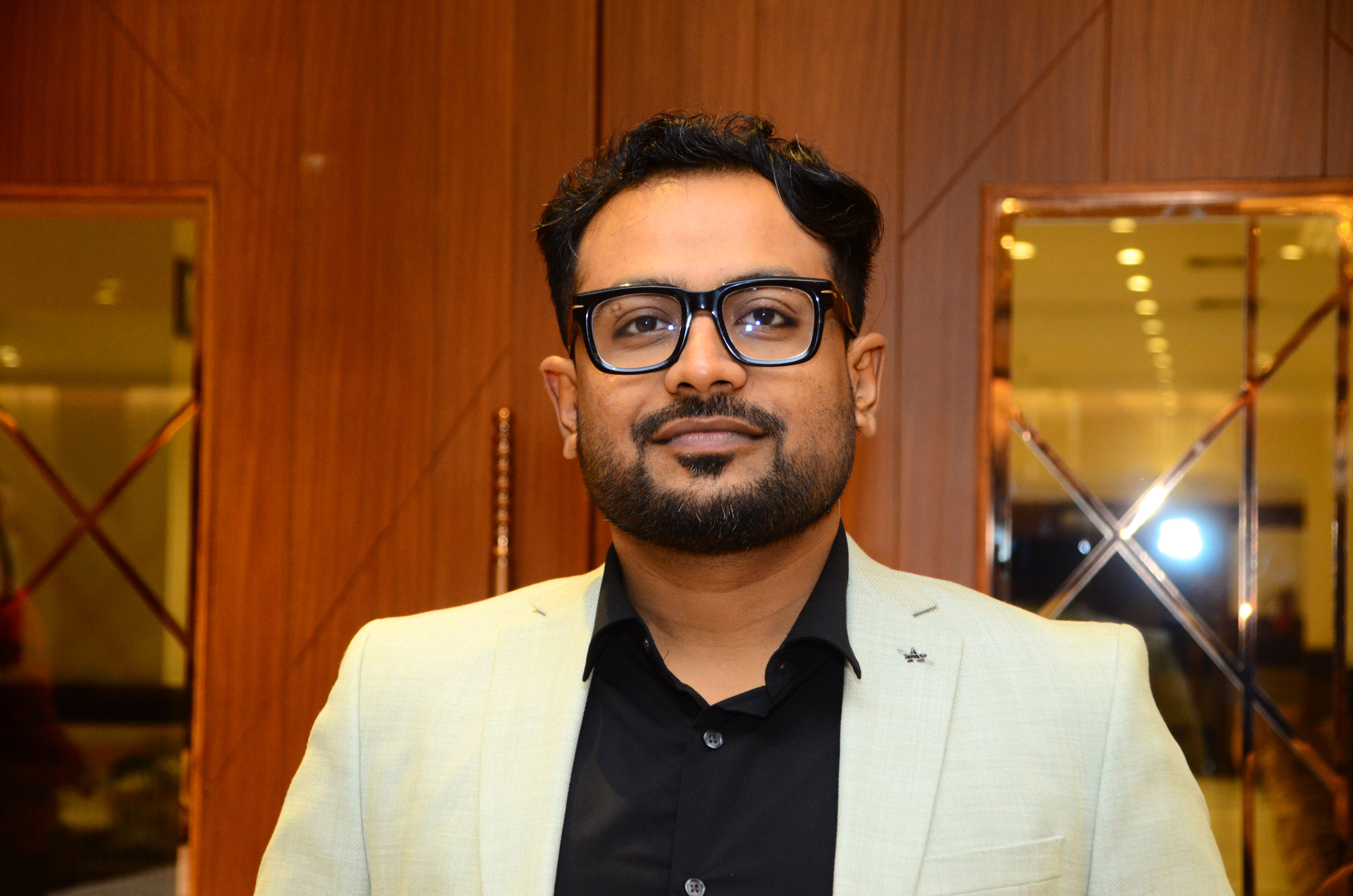
Written by Dr. Nikhil Singh
Anaesthesia, MBBS, MD
Last reviewed: 24 August 2026
Medical Disclaimer
The content provided on Zospital is for general informational and educational purposes only. It is not intended as a substitute for professional medical advice, diagnosis, or treatment. Always seek the advice of your physician or other qualified healthcare provider with any questions you may have regarding a medical condition. Never disregard professional medical advice or delay in seeking it because of something you have read on this website. If you think you may have a medical emergency, call your doctor or emergency services immediately.
Are you a doctor or run a clinic or hospital?
Patients across India are searching Zospital right now. Get a free profile with reviews, timings and direct WhatsApp bookings.