Winter Health Tips for a Healthy North India
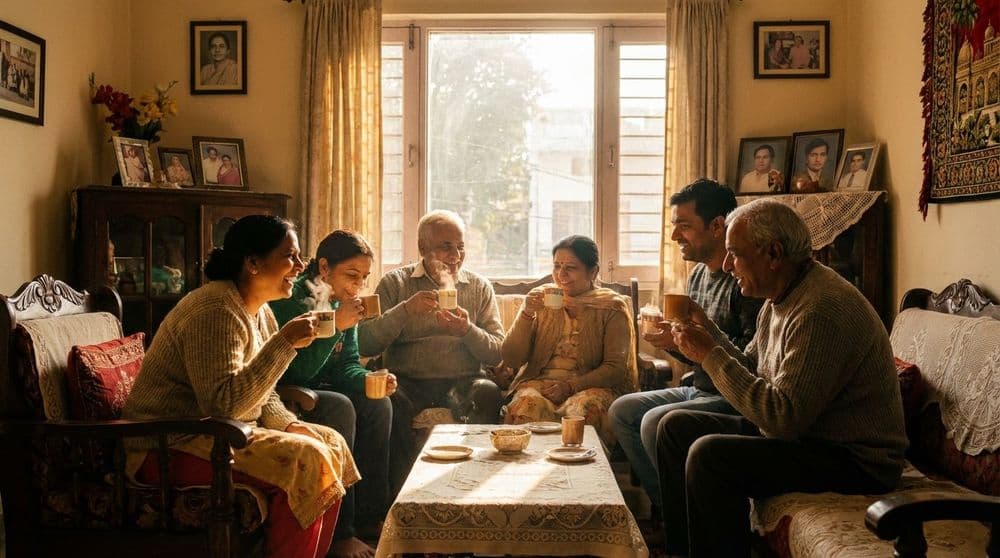
As the crisp winter air settles over North India, from the bustling streets of Delhi to the historic lanes of Lucknow, it brings with it the joy of cozy blankets and hot chai. However, the season also presents unique health challenges, including lower immunity, respiratory issues exacerbated by pollution, and skin dryness. Following some essential winter health tips can help you and your family enjoy the season to the fullest, staying healthy and energetic.
Mastering Your Winter Diet: Desi Nuskhe and Nutrition
Your first line of defense against winter illnesses is what you put on your plate. A strong immune system is built on a foundation of a balanced diet. The Indian Council of Medical Research (ICMR) emphasizes a diet rich in fruits and vegetables. Their guidelines suggest that consuming around 400g of vegetables and 100g of fruit daily can significantly boost your health.
Embrace Seasonal Superfoods
Winter in North India offers a bounty of nutrient-rich produce. Incorporating these into your 'ghar ka khana' is key.
- Amla (Indian Gooseberry): A powerhouse of Vitamin C, amla is excellent for boosting immunity. You can have it as murabba, juice, or simply raw.
- Ginger and Garlic: As recommended by NDTV's health experts, adding desi staples like ginger (adrak) and garlic (lehsun) to your meals can do wonders. They have anti-inflammatory and anti-microbial properties that help fight off common colds and infections.
- Turmeric (Haldi): A glass of warm turmeric milk before bed is a timeless Indian tradition for a reason. Curcumin, the active compound in turmeric, is a powerful antioxidant that helps strengthen your body's defenses.
- Leafy Greens: Sarson ka saag, palak, and methi are not just winter delicacies; they are packed with iron, vitamins, and minerals essential for maintaining energy levels.
Focus on Immunity-Boosting Nutrients
Omega Hospitals highlight the importance of immunity-boosting nutrition during winter. Beyond just vitamins, ensure you get a good mix of healthy fats and fibers.
- Omega-3 Fatty Acids: Include foods like walnuts, flaxseeds (alsi), and fish if you are non-vegetarian. These healthy fats help reduce inflammation.
- Vitamin D: Winter sunlight is scarce, and our exposure is limited. While some foods are fortified with Vitamin D, it's often difficult to get enough from diet alone. Consider spending some time in the midday sun when possible.
- Hydration is Key: Don't let the cold fool you; your body still needs plenty of water. Devasya Hospital recommends drinking 6-8 glasses of warm water daily to stay hydrated and help flush out toxins.
Stay Active: Smart Exercise in the Cold
While the temptation to stay curled up in a blanket is strong, regular exercise is crucial for winter wellness. It improves circulation, boosts your mood, and strengthens your immune system. However, you need to be smart about it.
Outdoor Exercise Precautions
If you enjoy morning walks or jogs, take note of the advice from Max Hospital: limit your outdoor exercise sessions to 30–45 minutes in very cold weather. Overexposure can increase the risk of respiratory issues and frostbite. Always dress in layers that you can remove as you warm up, and cover your head, hands, and ears.
Indoor Alternatives
On days when the pollution is high in cities like Delhi or it's simply too cold, embrace indoor workouts.
- Yoga and Pranayama: Excellent for flexibility and respiratory health.
- Home Workouts: Bodyweight exercises like squats, push-ups, and lunges require no equipment.
- Dancing: A fun way to get your heart rate up and beat the winter blues.
Hygiene and Home Environment: Your First Shield
Winter often means more time spent indoors, leading to closer contact with others and an increased risk of germs spreading. Simple hygiene practices are non-negotiable.
The Power of Handwashing
As highlighted in a featured snippet from SBI General Insurance, frequent handwashing is one of the most effective ways to prevent the spread of colds, flu, and other infections. Wash your hands with soap and warm water for at least 20 seconds, especially after coming from outside or before eating. Carry a hand sanitizer for times when soap and water are not available.
Maintain Your Indoor Space
Keep your living space clean and well-ventilated. While it's important to keep rooms warm, opening windows for a short period each day can help circulate fresh air and reduce the concentration of indoor pollutants and allergens. Using a humidifier can also help combat the dry air that can irritate your nasal passages.
Prioritizing Rest and Mental Health
Never underestimate the power of good sleep. Max Healthcare notes that getting at least 7–8 hours of sleep each night is vital for your body to repair itself and maintain a strong immune system. Furthermore, the shorter days and lack of sunlight can sometimes lead to the 'winter blues'. Manage stress through activities you enjoy, such as reading, listening to music, or practicing meditation and deep breathing exercises. Staying connected with loved ones, even virtually, can also significantly boost your mental well-being.
By integrating these winter health tips into your daily routine, you can build a strong defense against seasonal ailments. Eating right, staying active, practicing good hygiene, and getting enough rest are the pillars of a healthy and happy winter in North India.
Experiencing persistent coughs or breathing trouble this winter? Consult Dr. Vinayak Agrawal, a leading Pulmonologist / Chest Specialist in your area. Book Appointment
Related reading
Top doctors on Zospital
Verified specialists you can book in minutes.
- Book appointment

Dr. Naina Gupta
Oncologist
Varanasi
Verified•4 - Book appointment

Dr. Vishwanath Pratap Singh
General Surgeon
Varanasi
Verified•4.9 - Book appointment
Dr N. S . Paliwal
Rehabilitation Specialist
Lucknow
Verified - Book appointment

Dr. Divyansh Bhatt
Gastrologist / Gastroenterologist
Lucknow
Verified•4.9 - Book appointment

Dr. Shoeb Arif Khan
Orthopedic Surgeon
Lucknow
Verified•4.9 - Book appointment

Dr. Richa Gangwar
Gynecologist
Lucknow
Verified•4.9
Have More Questions?
Find quick answers to common questions about our services, appointments, and patient care.
Due to increased indoor activity, illnesses like colds and flu can spike. Maintaining good hygiene is crucial. You should wash your hands frequently with soap and warm water and use a sanitiser when you are on the go.
To build up your immune system, it's important to eat a healthy diet with plenty of fruits and vegetables. Ensure you get enough vitamin C, zinc, selenium, and iron directly from your food rather than relying on supplements.
Combine proper nutrition and rest with staying active. Aim for at least 7–8 hours of sleep each night and manage stress through practices like meditation or deep breathing to make yourself less vulnerable to common colds and flu.
Related Articles

Zinc for Lungs: A Shield Against Sickness in North India?
A detailed guide on how zinc supplementation can protect against respiratory infections. Learn about its benefits, natural sources, and when to consult a specialist in India.

A Guide for Indian Families: What to Expect in the ICU
A comprehensive guide for families in North India navigating the challenges and uncertainties of having a loved one admitted to the Intensive Care Unit (ICU).

Appendicitis Symptoms: 7 Signs You Shouldn't Ignore
A detailed guide on the early symptoms of appendicitis for our North Indian audience. Understand the warning signs and why immediate medical attention is crucial.
Last reviewed: 9 August 2026
Medical Disclaimer
The content provided on Zospital is for general informational and educational purposes only. It is not intended as a substitute for professional medical advice, diagnosis, or treatment. Always seek the advice of your physician or other qualified healthcare provider with any questions you may have regarding a medical condition. Never disregard professional medical advice or delay in seeking it because of something you have read on this website. If you think you may have a medical emergency, call your doctor or emergency services immediately.
Are you a doctor or run a clinic or hospital?
Patients across India are searching Zospital right now. Get a free profile with reviews, timings and direct WhatsApp bookings.