That Nagging Pain: When Should You See an Orthopedic Specialist?

Medically reviewed by Dr. Abhinav Srivastava, Orthopaedic Surgeon, MBBS, MS
Last reviewed: 9 Aug 2026 · How we review health content
Did you know that nearly one in five Indians suffers from chronic musculoskeletal pain? That's according to a study published in The Lancet. It’s a staggering number, turning everyday life into a challenge for millions.
Anil, a 48-year-old shopkeeper from the Lanka area of Varanasi, is one of them. It started on a crisp January morning. He was helping his son practice for a school cricket match when he lunged for a wide ball. He felt a sharp, searing pain in his knee, followed by a distinct ‘pop’. He brushed it off. “Bas moch aa gayi hai,” he told his wife, applying a hot water bag and some pain balm. But a week later, the swelling hadn't gone down, and putting weight on his leg felt like walking on glass. His simple morning walk to the ghats was now impossible.
Anil’s story is common. We often dismiss pain, hoping it will just go away. But how do you know when a simple sprain is something more? When is it time to see an orthopedic specialist?
Is It Just a Sprain, or Something More Serious?
Most of us have twisted an ankle or banged a knee. The immediate pain, the swelling... it's familiar. Usually, a bit of rest, ice, and time is all it takes. But sometimes, the body is sending a stronger signal that needs attention from a professional, often called a bone doctor.
Look out for these signs after an injury:
- The ‘pop’ sound: Like in Anil's case, a popping or snapping sound at the time of injury can indicate a torn ligament or tendon. It's not something to ignore.
- Severe swelling and bruising: While some swelling is normal, rapid and extensive swelling, especially if the area turns dark purple or blue, suggests significant tissue damage.
- Inability to bear weight: If you can't put any weight on your leg, ankle, or foot, or if you can't use your arm or wrist, it's a clear sign you need a medical evaluation.
- Visible deformity: If a joint looks 'out of place', or a limb is bent at an odd angle, this is an emergency. It could be a dislocation or a serious fracture.
Also, pay attention to old injuries that suddenly flare up. That knee you hurt in college twenty years ago shouldn't start aching every night. If it does, it's worth getting it checked.
When Chronic Pain Takes Over Your Daily Life
— technically, pain that lasts for more than 12 weeks. It doesn't just hurt; it changes your life.
is a classic sign that your joints aren't functioning as they should.
Think about it: Do you hesitate before taking the stairs? Do you wince when you get up after sitting for too long? These are not just signs of 'getting old'. They are signals from your body.
Another major clue is persistent stiffness, especially in the morning. If you wake up feeling like the Tin Man from The Wizard of Oz, and it takes more than 30 minutes to 'loosen up', it could be a symptom of inflammatory arthritis. A consultation with a joint specialist can help figure out the cause.
And then there's the pain that disrupts your sleep or stops you from enjoying life. If knee pain keeps you from your evening walks or backache prevents you from playing with your grandchildren, it's time to seek help. Pain isn't a lifestyle.
Red Flags for Sports and Fitness Injuries
With more people taking up running, gymming, and sports, we're also seeing a rise in specific types of injuries. These often aren't from a single dramatic event but from repetitive motion.
Consider these scenarios:
- The gradual ache: Pain that starts as a minor annoyance and slowly gets worse. Think of the ache on the outside of the knee for runners (runner's knee) or elbow pain for tennis or cricket players (tennis elbow). This is your body telling you something is being overused or used incorrectly.
- R.I.C.E. isn't working: The standard advice for minor strains is Rest, Ice, Compression, and Elevation. It's good advice. But if you've done this for 48-72 hours and the pain and swelling are unchanged or worse, it's a sign that the injury needs a closer look by an orthopedic specialist.
- A feeling of instability: This is a big one. If your knee feels like it's going to 'give way' when you change direction, or your shoulder feels 'loose' in its socket, it points to ligament damage that won't heal on its own. It requires a proper diagnosis, sometimes involving advanced techniques like arthroscopy to see inside the joint.
- Numbness or tingling: If your injury is accompanied by numbness, tingling, or a 'pins and needles' sensation down the limb, it could indicate nerve involvement. This should be evaluated promptly.
Don't Ignore Your Back and Neck Pain
“Doctor, kamar mein dard hai.” It's one of the most common complaints heard in any clinic. Most back pain resolves with rest and simple measures. But certain types of back and neck pain are red flags.
When should you be concerned about back pain?
- If the pain is severe, constant, and not relieved by lying down.
- If it radiates down your leg, especially past the knee. This could be sciatica, caused by a pinched nerve in your lower back, often from a slipped disc.
- If it's accompanied by weakness, numbness in the legs, or problems with bladder or bowel control — this is a medical emergency.
- If it started after a fall or accident, even a seemingly minor one.
Similarly, with neck pain, if it's accompanied by numbness, tingling, or weakness in your arms or hands, it's not just a 'stiff neck'. It suggests a nerve is being compressed in your cervical spine. This needs a proper evaluation by a doctor who understands spine disorders.
Local Life & Joint Health: Varanasi-Specific Pointers
Living in a city like Varanasi presents its own unique set of challenges and charms for our bones and joints. A good bone doctor understands this local context.
The monsoon season, while bringing relief from the summer heat, often brings misery for those with arthritis. The drop in barometric pressure and high humidity can increase joint inflammation and pain. It's not just in your head; it's a real phenomenon. During these months, it's important to stay warm, continue gentle exercises, and not skip any prescribed medication.
Navigating the beautiful but uneven stone steps of the ghats or the narrow, winding lanes of the old city requires good balance and strong ankles. A simple misstep can lead to a nasty sprain or fracture. The right footwear is not a luxury here; it's a necessity. Avoid flimsy chappals when you know you'll be walking a lot. Choose shoes with good grip and support.
Repetitive strain is also a factor. The weavers of Varanasi, who spend hours hunched over their looms, are prone to chronic back and neck issues. Similarly, priests and scholars who sit cross-legged for long periods can develop hip and knee problems. Simple changes in posture and regular stretching can make a huge difference.
Preparing for Your Orthopedic Consultation
So, you've decided to see an orthopedic specialist. Good. That's the first step. Being prepared can help you and your doctor make the most of the visit.
- Be ready to tell your story: The doctor will want to know everything. When did the pain start? What were you doing? What makes it better or worse? Does it hurt at night? Is it sharp, dull, or burning? Write it all down beforehand if you're worried you'll forget.
- Bring your history: List all your current medications, any previous injuries, and any other health problems you have (like diabetes or 'BP ki problem'). If you've had X-rays or MRIs done elsewhere, bring the films and reports.
- Physical examination: The doctor will likely examine the painful area, checking your range of motion, stability, and strength. They may press on certain spots to pinpoint the problem or ask you to walk or perform certain movements.
- Ask questions: Don't be shy. Ask about your diagnosis, what the treatment options are (surgical and non-surgical), what the recovery will be like, and what you can do to prevent this from happening again. A good doctor will welcome your questions.
Remember, surgery is not always the first or only answer. Many orthopedic conditions can be managed effectively with non-surgical treatments like physiotherapy, medication, injections, and lifestyle modifications. An experienced joint specialist will explore all appropriate options with you to create a personalized treatment plan.
Key Takeaways
- Don't ignore a 'pop': An audible pop during an injury, severe swelling, or the inability to put weight on a limb warrants an immediate visit to a doctor.
- Pain is not a lifestyle: If chronic pain (lasting >12 weeks) limits your daily activities, disrupts your sleep, or stops you from doing things you love, seek a professional opinion.
- Listen for nerve signals: Pain that radiates down a limb, or is accompanied by numbness, weakness, or tingling, is a red flag for nerve involvement and should not be ignored.
- Be an active participant: Prepare for your doctor's visit by noting down your symptoms and questions. Understanding your condition is the first step toward recovery.
- Context matters: Pay attention to how local factors, like Varanasi's monsoon humidity or uneven streets, affect your joints and take preventive measures like wearing supportive footwear.
Medical Disclaimer
The information provided in this article is for general informational and educational purposes only. It is not intended as a substitute for professional medical advice, diagnosis, or treatment. Always seek the advice of your physician or other qualified healthcare provider with any questions you may have regarding a medical condition. Never disregard professional medical advice or delay in seeking it because of something you have read in this article.
Related reading
Top Spine Surgeon doctors in Lucknow on Zospital
Explore professional profiles and available appointment options.
- Book appointment
Pegasus Spine & Joint Institute - Dallas
Spine Surgeon
Alappuzha
4.8 - Book appointment
Tarpon Interventional Pain & Spine Care
Spine Surgeon
Alappuzha
4.8 - Book appointment
Dr Bama Spine Care
Spine Surgeon
Alappuzha
4.9 - Book appointment
Dr. Nigil Sadanandan Spine surgeon
Spine Surgeon
Alappuzha
5 - Book appointment

Pain and Spine Physicians | Chronic Pain | Frisco
Spine Surgeon
Aizawl
4.4 - Book appointment
Rajesh Arakal, MD
Spine Surgeon
Aizawl
4.9
Have More Questions?
Find quick answers to common questions about our services, appointments, and patient care.
In most cases, you do not need a referral to see an orthopedic specialist in a private clinic or hospital. You can usually book an appointment directly. However, it's always a good idea to check with the specific clinic or your insurance policy.
A general physician is a great first point of contact for many issues. However, an orthopedic specialist has advanced training and expertise specifically in the musculoskeletal system (bones, joints, ligaments, tendons). They can offer specialized diagnosis and treatments, including surgery, that a GP cannot.
Many people report this experience. While not fully understood, changes in barometric pressure during humid or rainy weather may cause tendons, muscles, and scar tissue to expand and contract, leading to increased pain in joints affected by arthritis.
It is advisable to see a qualified orthopedic surgeon with an MBBS and MS (Ortho) degree. While traditional bonesetters exist, they lack formal medical training, and improper handling of fractures or dislocations can lead to long-term complications, nerve damage, or poor healing.

Private hospitals in Lucknow on Zospital
Prefer a private option? These hospitals in Lucknow list their doctors and take bookings.
- Paarth Eye Hospital & Retina Centre
- Urmila Devi Memorial Hospital- Child Specialist Hospital in Lucknow | Pediatrician hospital
- SPARSH CHILDREN'S HOSPITAL & VACCINATION CENTER | Child Hospital in Raebareli Road Lucknow | Dr. Akhilesh Pandey |
Related Articles

Why Does Acidity Get Worse at Night? Causes & Relief
Acidity at night is a common problem that can disturb sleep. It is often linked to lifestyle habits and body position after meals.
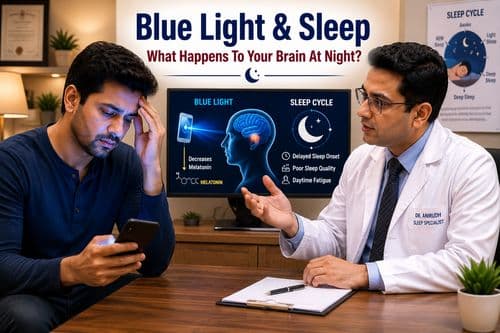
Why Does Blue Light From Mobile Phones Affect Sleep? Understanding the Science Behind It
Blue light emitted from smartphones and digital devices may interfere with the body's natural sleep cycle. Learn how it affects sleep and ways to reduce its impact.
Why Does My Body Feel Shaky and Weak Suddenly? Causes & What to Do
Sudden shakiness and weakness in the body can be alarming. It may be due to low energy, stress, or underlying health issues.

Written by Dr. Abhinav Srivastava
Orthopaedic Surgeon, MBBS, MS
Last reviewed: 9 August 2026
Medical Disclaimer
The content provided on Zospital is for general informational and educational purposes only. It is not intended as a substitute for professional medical advice, diagnosis, or treatment. Always seek the advice of your physician or other qualified healthcare provider with any questions you may have regarding a medical condition. Never disregard professional medical advice or delay in seeking it because of something you have read on this website. If you think you may have a medical emergency, call your doctor or emergency services immediately.
Are you a doctor or run a clinic or hospital?
Patients across India are searching Zospital right now. Get a free profile with reviews, timings and direct WhatsApp bookings.