When to See a Doctor for Stomach Pain: Warning Signs to Know

Medically reviewed by Dr. Divyansh Bhatt, Gastrologist
Last reviewed: 18 Jul 2026
When to See a Doctor for Stomach Pain: Warning Signs to Know
Stomach pain is a common issue that most people experience at some point. In many cases, it is caused by minor problems like indigestion or gas. However, sometimes stomach pain can be a sign of a serious medical condition that requires immediate attention.
Understanding when to see a doctor for stomach pain can help you avoid complications and get timely treatment.
🔍 Common Causes of Stomach Pain
Stomach pain can occur due to various reasons, including:
- Indigestion or gas
- Food poisoning
- Acidity or acid reflux
- Constipation
- Infections
- Ulcers
- Gallbladder issues
- Appendicitis
⚠️ Warning Signs You Should Not Ignore
You should consult a doctor if you notice any of the following symptoms:
- Severe or persistent pain lasting more than a few hours
- Pain that worsens over time
- Fever along with stomach pain
- Vomiting or nausea that does not stop
- Blood in stool or vomit
- Sudden sharp pain in the abdomen
- Pain after injury or accident
These symptoms may indicate serious conditions and should not be ignored.
🩺 When Should You See a Doctor?
It is important to seek medical help if:
- Pain lasts for more than 24–48 hours
- Pain is severe and affects daily activities
- You have a history of medical conditions
- There is unexplained weight loss
- You feel weakness or dizziness
👉 Early consultation can help diagnose the problem accurately and prevent complications.👉 You can easily connect with experienced doctors on Zospital for proper guidance.
Diagnosis
To find the exact cause, doctors may recommend:
- Physical examination
- Blood tests
- or
- (if needed)
Treatment Options
Treatment depends on the cause of the pain:
- Medications for acidity or infection
- Dietary changes
- Hydration and rest
- Surgery (in severe cases like appendicitis)
Prevention Tips
- Maintain a healthy diet
- Avoid oily and spicy foods
- Stay hydrated
- Eat on time
- Practice good hygiene
✅ Conclusion
While most stomach pain is harmless, certain symptoms may indicate serious health issues. Recognizing warning signs and seeking timely medical advice can help prevent complications and ensure proper treatment.
👉 If you are experiencing ongoing or severe stomach pain, consult a doctor through Zospital.
Related reading
Written by
Top Gastrologist / Gastroenterologist doctors in Lucknow on Zospital
Verified specialists you can book in minutes.
- Book appointment

Dr. Ankit Maheshwari
Gastrologist / Gastroenterologist
Lucknow
Verified•4.7 - Book appointment

Dr. Anurag Bajpayee
Gastroenterology
Faizabad
4.3 - Book appointment

Dr. Ashish Kumar Jha
Gastroenterology
Patna
4.5 - Book appointment

Dr. Manish Kumar
Gastroenterology
Patna
4.8 - Book appointment

Dr. Nitin Kumar
Gastroenterology
Patna
4.9 - Book appointment

Dr. Amitesh Kumar
Gastroenterology
Patna
4.9
Have More Questions?
Find quick answers to common questions about our services, appointments, and patient care.
Stomach pain is serious if it is severe, persistent, or accompanied by fever, vomiting, or blood in stool.
Yes, if the pain lasts more than 1–2 days or worsens over time.
Mild pain may go away, but persistent pain should be checked.
Severe pain, high fever, vomiting blood, or sudden sharp pain require immediate attention.
Rest, hydration, and avoiding heavy food can help in mild cases.
“Gastrologist: MBBS, MD–Medicine ,Dr. NB Gastroenterology”
Dr. Divyansh Bhatt
Gastrologist
Related Articles

That Nagging Pain: When Should You See an Orthopedic Specialist?
Struggling with persistent joint pain, a recent injury, or backache? Learn the key signs that indicate it's time to consult a bone and joint specialist for proper diagnosis and care.
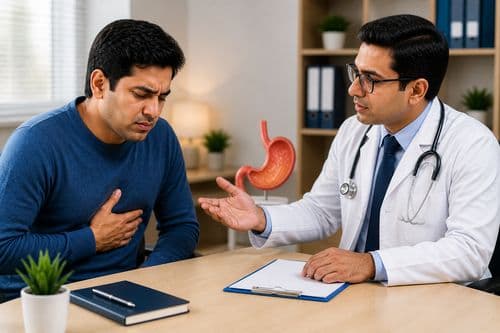
Why Does Acidity Get Worse at Night? Causes & Relief
Acidity at night is a common problem that can disturb sleep. It is often linked to lifestyle habits and body position after meals.
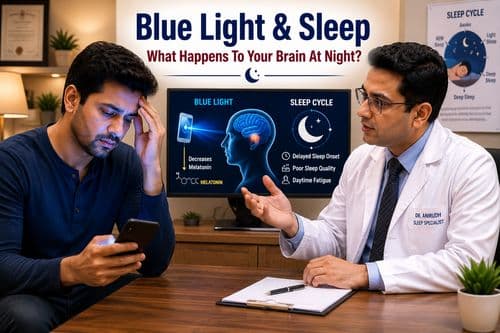
Why Does Blue Light From Mobile Phones Affect Sleep? Understanding the Science Behind It
Blue light emitted from smartphones and digital devices may interfere with the body's natural sleep cycle. Learn how it affects sleep and ways to reduce its impact.
Written by Dr. Divyansh Bhatt
Gastrologist
Last reviewed: 18 July 2026
Medical Disclaimer
The content provided on Zospital is for general informational and educational purposes only. It is not intended as a substitute for professional medical advice, diagnosis, or treatment. Always seek the advice of your physician or other qualified healthcare provider with any questions you may have regarding a medical condition. Never disregard professional medical advice or delay in seeking it because of something you have read on this website. If you think you may have a medical emergency, call your doctor or emergency services immediately.
Are you a doctor or run a clinic or hospital?
Patients across India are searching Zospital right now. Get a free profile with reviews, timings and direct WhatsApp bookings.