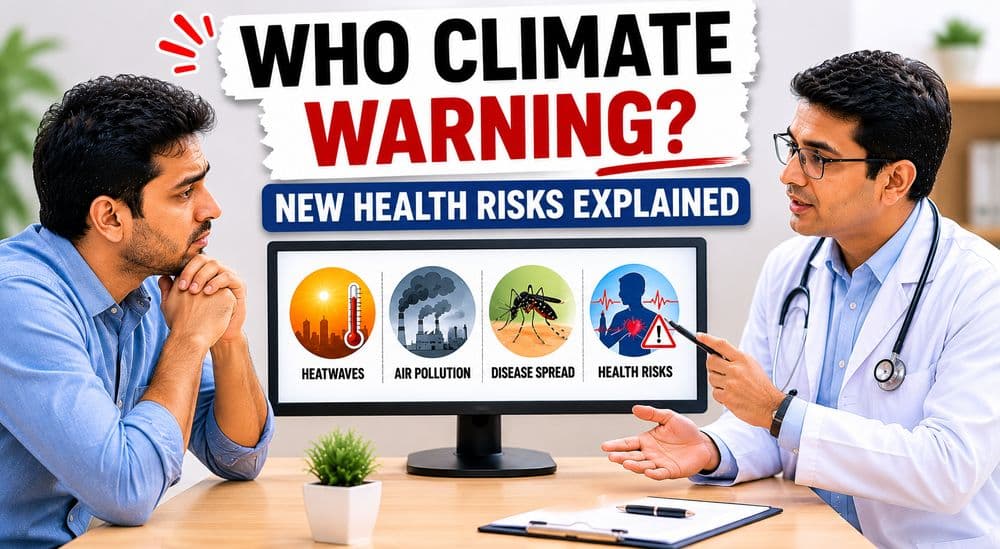
New WHO Update on Climate Change and Health Risks: What People Should Know
Medically reviewed by Dr.Nikhil Singh, Anaesthesia, MBBS, MD
Last reviewed: 18 Jul 2026
Introduction
Climate change is no longer considered only an environmental issue. According to the World Health Organization (WHO), it has become one of the most significant public health challenges of the modern era.
Rising temperatures, prolonged heatwaves, changing weather patterns, air pollution, and extreme climate events are increasingly affecting human health across the world.
Recent WHO discussions continue to emphasize the urgent need for awareness, prevention, and adaptation strategies to reduce climate-related health risks.
Why Is Climate Change a Health Concern?
Climate change can directly and indirectly affect human health.
Some of the major health impacts include:
- Extreme heat exposure
- Heat-related illnesses
- Respiratory problems
- Increased risk of infectious diseases
- Food and water insecurity
- Mental health challenges
1. Rising Heatwaves and Heat-Related Illnesses
One of the most visible effects of climate change is the increase in extreme heat events.
Longer and more intense heatwaves may increase the risk of:
- Heat exhaustion
- Heat stroke
- Dehydration
- Kidney-related problems
- Cardiovascular stress
Older adults, children, and outdoor workers are often more vulnerable.
2. Air Pollution and Respiratory Health
Climate change may worsen air quality in many regions.
Poor air quality can contribute to:
- Asthma flare-ups
- Breathing difficulties
- Chronic respiratory diseases
- Lung health problems
People with existing respiratory conditions may be more affected.
3. Spread of Infectious Diseases
Changing temperatures and weather patterns may influence the spread of disease-carrying insects.
This can affect illnesses such as:
- Dengue
- Malaria
- Vector-borne infections
Climate conditions may create environments where these diseases spread more easily.
4. Water and Food Safety Concerns
Extreme weather events may affect:
- Water availability
- Food production
- Agricultural systems
These challenges can increase health risks related to nutrition and safe drinking water.
5. Mental Health Effects
Climate-related disasters and extreme weather events may affect emotional well-being.
Some individuals may experience:
- Anxiety
- Stress
- Psychological distress
after major environmental events.
6. Increased Health Risks for Vulnerable Populations
According to health experts, climate-related health effects often impact:
- Elderly individuals
- Children
- Pregnant women
- People with chronic diseases
- Low-income communities
more severely.
Common Climate-Related Health Symptoms
People affected by extreme heat or environmental conditions may experience:
- Headaches
- Fatigue
- Dizziness
- Breathing difficulty
- Dehydration
- Weakness
- Heat stress symptoms
How Can People Protect Their Health?
Stay Hydrated
Regular water intake becomes especially important during hot weather.
Follow Heatwave Safety Measures
Avoid prolonged exposure to extreme temperatures.
Monitor Air Quality
Individuals with respiratory conditions should take precautions during poor air quality days.
Maintain Healthy Lifestyle Habits
Balanced nutrition, physical activity, and preventive healthcare support overall resilience.
Stay Informed
Following trusted public health updates can help people prepare for climate-related risks.
Why This Matters for India
Countries like India frequently experience:
- Heatwaves
- Air pollution challenges
- Seasonal disease outbreaks
- Water-related concerns
Public awareness about climate-related health risks is becoming increasingly important for preventive healthcare.
Conclusion
WHO continues to emphasize that climate change is a growing health challenge affecting millions of people worldwide. Rising temperatures, air pollution, infectious disease risks, and extreme weather events can all influence human health.
Understanding these risks and adopting preventive measures can help individuals and communities stay safer in a changing climate.
Related reading
Written by
Top Anesthesiologist doctors in Lucknow on Zospital
Verified specialists you can book in minutes.
- Book appointment

Dr. Sanni Deyol Gautam
Anesthesiologist
Lucknow
4.8 - Book appointment

Dr Karanvir Singh Sidhu
Anesthesiologist
Lucknow
4.8 - Book appointment

Dr Harpreet Kaur
Anesthesiologist
Lucknow
4.8 - Book appointment

Dr. Akshat Trivedi
Anesthesiologist
Lucknow
4.5 - Book appointment

Dr. Praful Srivastava
Anesthesiologist
4.8 - Book appointment

Dr. Mohd. Ruheel Khan
Anesthesiologist
Faizabad
Have More Questions?
Find quick answers to common questions about our services, appointments, and patient care.
Because it affects heat exposure, air quality, disease spread, food security, and overall public health.
Heatwaves may increase the risk of dehydration, heat exhaustion, and heat stroke.
Yes. Poor air quality may worsen breathing-related conditions.
Changing environmental conditions may affect disease transmission patterns.

“Your Health, Our Priority. Your Voice, Our Guide”
Dr.Nikhil Singh
Anaesthesia, MBBS, MD
Related Articles

Pap Smear vs HPV Test: A Guide for North Indian Women
A comprehensive guide for women in North India explaining the crucial differences between the Pap smear and the HPV test for cervical cancer screening.

PCOS Is Now Being Recognized as PMOS – What Changed?
PCOS is now increasingly being recognized as PMOS to better reflect its metabolic and hormonal impact. Learn why experts are discussing this terminology change.
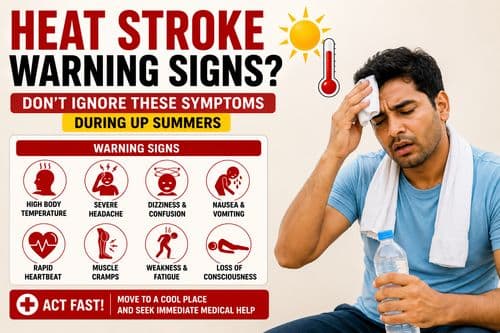
What Are the Warning Signs of Heat Stroke During UP Summers?
Heat stroke is a serious medical emergency that becomes more common during Uttar Pradesh's extreme summer temperatures. Learn the warning signs and when immediate medical attention is needed.

Written by Dr.Nikhil Singh
Anaesthesia, MBBS, MD
Last reviewed: 18 July 2026
Medical Disclaimer
The content provided on Zospital is for general informational and educational purposes only. It is not intended as a substitute for professional medical advice, diagnosis, or treatment. Always seek the advice of your physician or other qualified healthcare provider with any questions you may have regarding a medical condition. Never disregard professional medical advice or delay in seeking it because of something you have read on this website. If you think you may have a medical emergency, call your doctor or emergency services immediately.
Are you a doctor or run a clinic or hospital?
Patients across India are searching Zospital right now. Get a free profile with reviews, timings and direct WhatsApp bookings.