How Does Summer Heat Affect Blood Pressure? What You Should Know
Medically reviewed by Dr. Nikhil Singh, Anaesthesia, MBBS, MD
Last reviewed: 24 Aug 2026 · How we review health content
Introduction
Summer brings higher temperatures, increased sweating, and a greater risk of dehydration. While most people focus on staying cool, many are unaware that hot weather can also affect blood pressure.
For some individuals, blood pressure may decrease during extreme heat, while others may experience fluctuations due to dehydration, medication effects, or underlying health conditions.
Understanding how summer heat affects blood pressure can help prevent heat-related health problems and support overall cardiovascular health.
Can Hot Weather Affect Blood Pressure?
Yes.
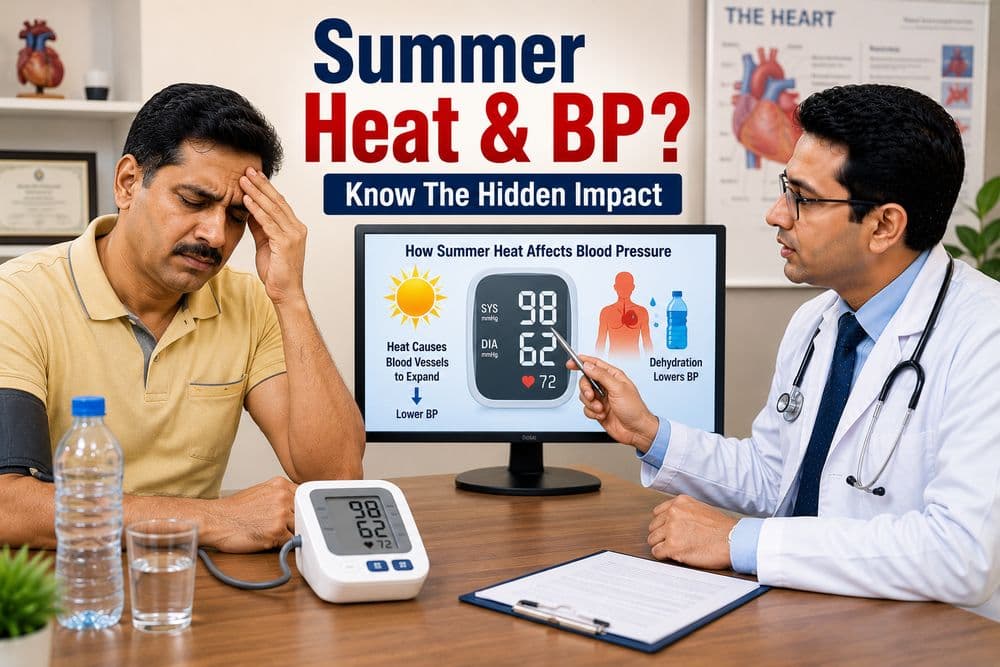
The body's cardiovascular system works harder during hot weather to regulate internal temperature.
To release excess heat:
- Blood vessels widen
- Blood flow to the skin increases
- Sweating increases
These natural responses may influence blood pressure levels.
Why Does Blood Pressure Change During Summer?
1. Blood Vessels Expand
When temperatures rise, blood vessels widen (vasodilation) to help release heat.
This process may cause:
- Lower blood pressure
- Lightheadedness
- Dizziness
- Fatigue
In some individuals, these effects may be more noticeable.
2. Increased Sweating
The body loses water and electrolytes through sweat.
Excessive fluid loss may contribute to:
- Dehydration
- Reduced blood volume
- Blood pressure fluctuations
3. Dehydration
Dehydration is one of the most common summer health concerns.
It may lead to:
- Headaches
- Weakness
- Dizziness
- Low blood pressure
- Rapid heartbeat
4. Effects on Blood Pressure Medications
Some individuals taking blood pressure medications may become more sensitive to heat.
Hot weather may increase the risk of:
- Low blood pressure
- Dehydration
- Dizziness
Patients should continue prescribed medications unless advised otherwise by their doctor.
Symptoms That May Occur
Changes in blood pressure during summer may cause:
- Dizziness
- Fatigue
- Headaches
- Weakness
- Fainting sensation
- Blurred vision
- Increased thirst
- Rapid pulse
Who Is More Vulnerable?
The following groups may be more affected by heat-related blood pressure changes:
- Older adults
- Individuals with hypertension
- Heart disease patients
- Outdoor workers
- Athletes
- People taking blood pressure medications
Can Summer Heat Increase Blood Pressure?
Although hot weather commonly causes blood pressure to decrease, certain factors may contribute to temporary increases in blood pressure, including:
- Stress
- Dehydration
- Excessive caffeine intake
- Poor sleep
- Heat-related physical strain
This is why regular monitoring is important for people with hypertension.
How Can You Protect Yourself?
Stay Hydrated
Drink water regularly throughout the day.
Avoid Peak Heat Hours
Limit outdoor activities during extreme afternoon temperatures.
Wear Light Clothing
Light-colored, breathable clothing may help reduce heat stress.
Monitor Blood Pressure
Individuals with hypertension should check blood pressure regularly during summer.
Eat Balanced Meals
Proper nutrition supports hydration and cardiovascular health.
Rest in Cool Environments
Air-conditioned or shaded areas may help prevent overheating.
When Should You Seek Medical Help?
Seek medical attention if you experience:
- Severe dizziness
- Fainting
- Chest pain
- Confusion
- Severe weakness
- Persistent low blood pressure
These symptoms may indicate a serious heat-related illness.
Summer Heat and Heart Health
Extreme heat can place additional stress on the cardiovascular system.
For individuals with existing heart conditions, maintaining hydration and avoiding excessive heat exposure becomes especially important during summer months.
Conclusion
Summer heat can influence blood pressure by causing blood vessels to expand and increasing fluid loss through sweating. While many people experience a slight decrease in blood pressure during hot weather, dehydration and underlying medical conditions may increase the risk of complications.
Staying hydrated, avoiding excessive heat exposure, and monitoring blood pressure regularly can help support cardiovascular health during the summer season.
Related reading
Top Anesthesiologist doctors in Gorakhpur on Zospital
Verified specialists you can book in minutes.
- Book appointment

Dr Karanvir Singh Sidhu
Anesthesiologist
Lucknow
Verified•4.8 - Book appointment
Aveline Pascual Jerome, MD
Anesthesiologist
Ajmer
5 - Book appointment
Dr. Vivek Kumar Sharma - Laser & Advanced Laparoscopy Surgeon In Ajmer
Anesthesiologist
Ajmer
4.7 - Book appointment
Dr.Jay M. Panchal
Anesthesiologist
Ahmedabad
5 - Book appointment

Amit T. Darnule, MD
Anesthesiologist
Agra
4.9 - Book appointment
Dr Rajat Arora
Anesthesiologist
Agra
Have More Questions?
Find quick answers to common questions about our services, appointments, and patient care.
Yes. Heat often causes blood vessels to widen, which may temporarily lower blood pressure.
Yes. Dehydration may cause blood pressure fluctuations and increase the risk of dizziness.
Heat exposure, dehydration, and changes in blood pressure are common causes.
People with hypertension should take precautions and monitor blood pressure regularly.
Yes. Severe dehydration and low blood pressure may contribute to fainting.
Yes. Adequate hydration is important for maintaining healthy circulation.
Some individuals may become more sensitive to heat while taking blood pressure medications.

“Your Health, Our Priority. Your Voice, Our Guide”
Dr. Nikhil Singh
Anaesthesia, MBBS, MD
Private hospitals in Gorakhpur on Zospital
Prefer a private option? These hospitals in Gorakhpur list their doctors and take bookings.
- Shankar Eye and Maternity Clinic- Best eye hospital | Best eye surgeon | Eye and Maternity clinic in Gorakhpur
- Trimurti Hospital - Dr. Sanjeev kumar Singh
- Shakuntala Hospital
Related Articles

How to Apply for a CGHS Card: Eligibility and Application Process
A guide to CGHS eligibility, required documents and the step-by-step process to apply for a CGHS card.

How to Find an Ayushman Bharat (PM-JAY) Hospital Near You
A guide to finding an empanelled Ayushman Bharat (PM-JAY) hospital and using cashless treatment.

How to Improve Blood Circulation Naturally in Legs
Poor blood circulation in the legs can cause heaviness, cramps, numbness, or discomfort. Learn natural ways to improve circulation, support vein health, and know when medical advice may be needed.

Written by Dr. Nikhil Singh
Anaesthesia, MBBS, MD
Last reviewed: 24 August 2026
Medical Disclaimer
The content provided on Zospital is for general informational and educational purposes only. It is not intended as a substitute for professional medical advice, diagnosis, or treatment. Always seek the advice of your physician or other qualified healthcare provider with any questions you may have regarding a medical condition. Never disregard professional medical advice or delay in seeking it because of something you have read on this website. If you think you may have a medical emergency, call your doctor or emergency services immediately.
Are you a doctor or run a clinic or hospital?
Patients across India are searching Zospital right now. Get a free profile with reviews, timings and direct WhatsApp bookings.