Why Vitamin D Deficiency Is Becoming Common in Young Adults
Medically reviewed by Dr. Nikhil Singh, Anaesthesia, MBBS, MD
Last reviewed: 24 Aug 2026
Introduction
Vitamin D deficiency is no longer considered a problem only in older adults. Doctors are now seeing an increasing number of young adults with low Vitamin D levels.
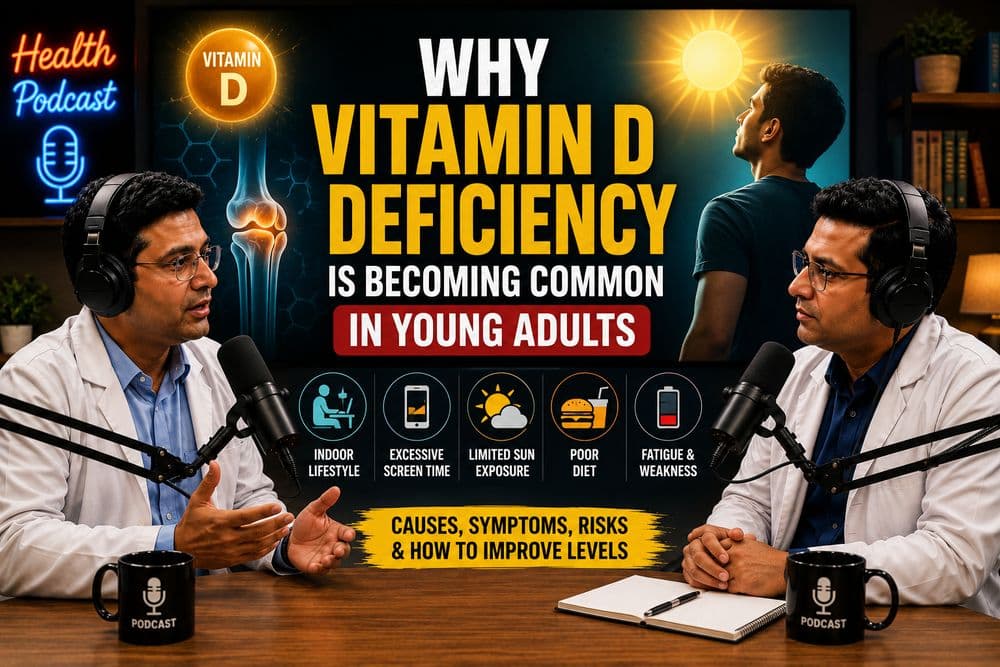
Modern lifestyle changes such as long indoor working hours, excessive screen time, reduced sunlight exposure, unhealthy eating habits, and sedentary routines are believed to be major reasons behind this growing health concern.
Vitamin D plays an important role in:
- Bone strength
- Muscle function
- Immunity
- Energy levels
- Overall health
Low Vitamin D levels may affect both physical and mental well-being.
Why Is Vitamin D Important?
Vitamin D helps the body absorb calcium properly and supports healthy bones and muscles.
It also contributes to:
- Immune system function
- Nerve function
- Muscle strength
- Mood regulation
The body mainly produces Vitamin D through sunlight exposure.
Why Vitamin D Deficiency Is Increasing in Young Adults
1. Indoor Lifestyle
Many young adults spend most of their time:
- In offices
- Working on laptops
- Using smartphones
- Staying indoors
Reduced outdoor activity means less sunlight exposure.
2. Excessive Screen Time
Long screen hours often reduce physical activity and outdoor movement.
Modern digital lifestyle habits are becoming one of the major contributing factors.
3. Limited Sunlight Exposure
Sunlight is one of the primary natural sources of Vitamin D.
People who:
- Stay indoors frequently
- Avoid sunlight
- Use excessive sun protectionmay develop lower Vitamin D levels.
4. Poor Dietary Habits
Frequent junk food intake and poor nutrition may reduce important vitamin intake.
Some people may not consume enough:
- Dairy products
- Eggs
- Fish
- Fortified foods
5. Sedentary Lifestyle
Lack of exercise and physical activity may also contribute to poor overall metabolic health.
Common Symptoms of Vitamin D Deficiency
1. Fatigue and Weakness
Persistent tiredness is commonly reported.
2. Bone and Joint Pain
Low Vitamin D may affect bone health and muscle strength.
3. Muscle Weakness
Some people may experience body weakness or reduced stamina.
4. Mood Changes
Vitamin D deficiency has also been linked with low mood and mental fatigue in some individuals.
5. Frequent Body Pain
Generalized body aches and discomfort may occur.
Can Vitamin D Deficiency Affect Young People Seriously?
Yes.If ignored for long periods, severe deficiency may affect:
- Bone density
- Muscle function
- Immunity
- Physical performance
In some cases, long-term deficiency may increase the risk of bone-related problems.
Why Are Doctors Seeing More Cases Now?
Healthcare professionals believe the rise is linked with:
- Digital lifestyle
- Reduced outdoor activity
- Urban indoor working culture
- Less physical movement
- Increased dependence on gadgets
Routine blood testing has also increased detection rates.
How Is Vitamin D Deficiency Diagnosed?
Doctors usually recommend:
- Vitamin D blood test
- Physical examination
- Medical history evaluation
Additional tests may sometimes be needed depending on symptoms.
How Can Vitamin D Levels Improve?
Sunlight Exposure
Safe morning sunlight exposure may help improve Vitamin D production.
Healthy Diet
Foods commonly associated with Vitamin D include:
- Eggs
- Fish
- Fortified milk
- Dairy products
Physical Activity
Outdoor exercise and movement may support overall health.
Medical Supplements
Doctors may recommend supplements if deficiency is significant.
Self-medication should be avoided.
When Should Someone Consult a Doctor?
Medical advice is important if symptoms like:
- Persistent fatigue
- Body pain
- Weakness
- Muscle cramps
- Bone discomfort
continue for long periods.
Growing Lifestyle Health Concern
Vitamin D deficiency is increasingly being considered a modern lifestyle-related health problem among young adults.
Awareness regarding:
- Outdoor activity
- Balanced lifestyle
- Physical movement
- Healthy nutrition
is becoming more important in today’s digital age.
Conclusion
Vitamin D deficiency is becoming increasingly common among young adults due to modern indoor lifestyles, reduced sunlight exposure, and changing daily habits.
Early awareness, healthy routines, balanced diet, and timely medical evaluation can help maintain proper Vitamin D levels and support long-term health.
Related reading
Top Anesthesiologist doctors in Lucknow on Zospital
Verified specialists you can book in minutes.
- Book appointment

Dr. Sanni Deyol Gautam
Anesthesiologist
Lucknow
4.8 - Book appointment

Dr Karanvir Singh Sidhu
Anesthesiologist
Lucknow
4.8 - Book appointment

Dr Harpreet Kaur
Anesthesiologist
Lucknow
4.8 - Book appointment

Dr. Akshat Trivedi
Anesthesiologist
Lucknow
4.5 - Book appointment
Aveline Pascual Jerome, MD
Anesthesiologist
Ajmer
5 - Book appointment
Dr. Vivek Kumar Sharma - Laser & Advanced Laparoscopy Surgeon In Ajmer
Anesthesiologist
Ajmer
4.7
Have More Questions?
Find quick answers to common questions about our services, appointments, and patient care.
Indoor lifestyle, reduced sunlight exposure, excessive screen time, poor diet, and lack of outdoor activity are some major reasons.
Symptoms may include fatigue, body pain, muscle weakness, bone discomfort, and low energy levels.
Indirectly yes. Long screen hours may reduce outdoor exposure and physical activity, contributing to lower Vitamin D production.
Yes. Sunlight is one of the primary natural sources of Vitamin D production in the body.
Some studies suggest low Vitamin D levels may be associated with mood changes and mental fatigue in certain individuals.
Doctors usually recommend blood tests and clinical evaluation based on symptoms.
Yes. Even otherwise healthy young adults may develop deficiency due to lifestyle habits.

“Your Health, Our Priority. Your Voice, Our Guide”
Dr. Nikhil Singh
Anaesthesia, MBBS, MD
Private hospitals in Lucknow on Zospital
Prefer a private option? These hospitals in Lucknow list their doctors and take bookings.
- Paarth Eye Hospital & Retina Centre
- Urmila Devi Memorial Hospital- Child Specialist Hospital in Lucknow | Pediatrician hospital
- SPARSH CHILDREN'S HOSPITAL & VACCINATION CENTER | Child Hospital in Raebareli Road Lucknow | Dr. Akhilesh Pandey |
Related Articles

Winter Stroke Risk in North India: Causes & Prevention
As temperatures drop across North India, the risk of brain stroke significantly increases. This article explores the scientific reasons and provides practical tips to stay safe.

AI in Healthcare: A Revolution in North India
Artificial Intelligence (AI) is no longer science fiction; it's a powerful tool that is completely changing the Indian healthcare system for the better, offering hope for improved quality, cost, and accessibility.

AI in Indian Healthcare: The Future of Medicine is Here
Artificial Intelligence (AI) is rapidly changing Indian healthcare, offering faster diagnoses, personalized treatments, and smarter hospital operations for a healthier future.

Written by Dr. Nikhil Singh
Anaesthesia, MBBS, MD
Last reviewed: 24 August 2026
Medical Disclaimer
The content provided on Zospital is for general informational and educational purposes only. It is not intended as a substitute for professional medical advice, diagnosis, or treatment. Always seek the advice of your physician or other qualified healthcare provider with any questions you may have regarding a medical condition. Never disregard professional medical advice or delay in seeking it because of something you have read on this website. If you think you may have a medical emergency, call your doctor or emergency services immediately.
Are you a doctor or run a clinic or hospital?
Patients across India are searching Zospital right now. Get a free profile with reviews, timings and direct WhatsApp bookings.