What Are the Signs of Low Vitamin D Levels? Early Symptoms You Should Not Ignore
Medically reviewed by Dr.Nikhil Singh, Anaesthesia, MBBS, MD
Last reviewed: 18 Jul 2026
Introduction
Vitamin D plays an important role in maintaining healthy bones, muscles, and immune function. Despite being known as the "sunshine vitamin," vitamin D deficiency has become increasingly common in recent years.
Many people spend most of their time indoors, work on computers, use smartphones, or avoid direct sunlight. As a result, vitamin D levels may gradually decline without obvious symptoms.
Recognizing the early warning signs can help prevent long-term health complications.
What Is Vitamin D?
Vitamin D is a fat-soluble vitamin that helps the body:
- Absorb calcium
- Maintain bone health
- Support muscle function
- Strengthen the immune system
- Support overall well-being
The body primarily produces vitamin D when the skin is exposed to sunlight.
Why Is Vitamin D Deficiency Becoming More Common?
Several modern lifestyle factors contribute to low vitamin D levels:
- Indoor work environments
- Limited sun exposure
- Excessive screen time
- Air pollution
- Use of sun-protective clothing
- Sedentary lifestyle
Young adults, students, and office workers are increasingly affected.
Common Signs of Low Vitamin D Levels
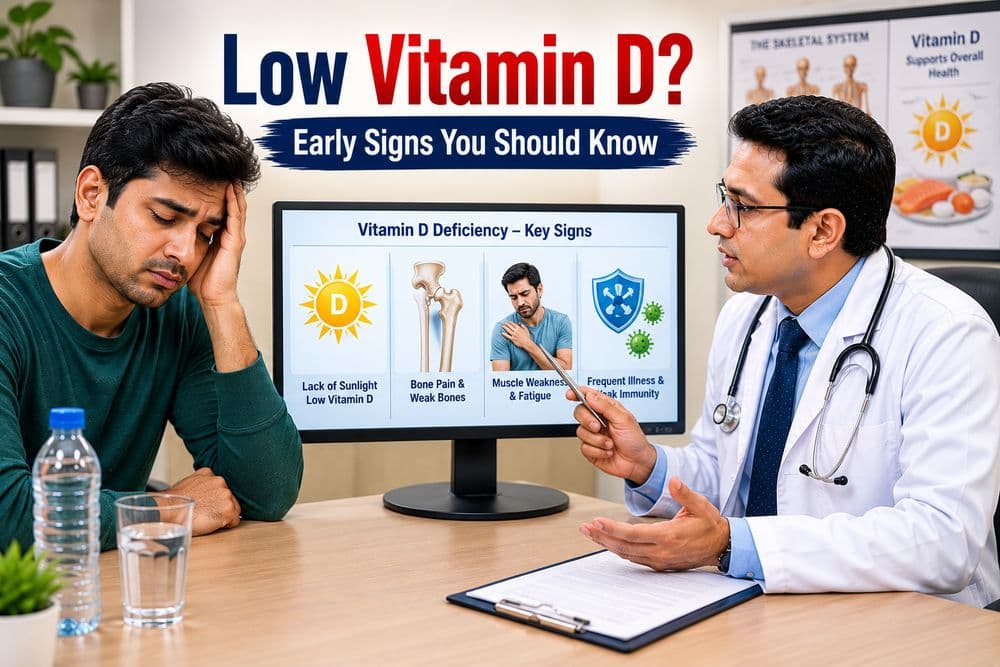
1. Constant Fatigue
Feeling tired despite adequate sleep is one of the most common symptoms.
People may experience:
- Low energy
- Lack of motivation
- Daytime tiredness
2. Muscle Weakness
Vitamin D supports normal muscle function.
Low levels may cause:
- Reduced strength
- Difficulty climbing stairs
- Early muscle fatigue
3. Bone and Joint Pain
Vitamin D helps maintain bone health.
Deficiency may contribute to:
- Back pain
- Bone discomfort
- Joint aches
4. Frequent Illness
Vitamin D supports immune function.
People with low levels may experience:
- Frequent colds
- Recurrent infections
- Slow recovery from illness
5. Mood Changes
Some individuals report:
- Low mood
- Irritability
- Reduced motivation
when vitamin D levels are low.
6. Hair Thinning
Hair fall may have multiple causes, but vitamin D deficiency is one factor that may contribute in some individuals.
7. Slow Recovery After Exercise
Muscle soreness and prolonged recovery may sometimes be associated with inadequate vitamin D levels.
8. Poor Bone Health
Long-term deficiency may affect bone strength and increase the risk of bone-related problems.
Who Is More Likely to Have Low Vitamin D?
Vitamin D deficiency is more common among:
- Office workers
- Students
- Remote workers
- Elderly individuals
- People with limited sunlight exposure
- Individuals who spend most of the day indoors
How Is Vitamin D Deficiency Diagnosed?
A healthcare professional may recommend a blood test to measure vitamin D levels.
Testing is usually considered when symptoms or risk factors suggest deficiency.
How Can You Maintain Healthy Vitamin D Levels?
Get Safe Sun Exposure
Regular sunlight exposure may help support vitamin D production.
Stay Physically Active
Outdoor activities can increase sunlight exposure and improve overall health.
Eat Vitamin D-Rich Foods
Examples include:
- Fatty fish
- Egg yolks
- Fortified dairy products
- Fortified cereals
Follow Medical Advice
If deficiency is confirmed, a healthcare professional may recommend appropriate treatment or supplementation.
When Should You See a Doctor?
Consult a healthcare professional if you experience:
- Persistent fatigue
- Muscle weakness
- Bone pain
- Frequent illness
- Unexplained body aches
A proper evaluation can help identify the cause and guide treatment.
Conclusion
Low vitamin D levels can affect energy, muscle strength, bone health, and immune function. Since symptoms often develop gradually, many people remain unaware of the deficiency until it becomes more significant.
Maintaining healthy sunlight exposure, a balanced diet, and regular medical check-ups can help support optimal vitamin D levels and overall health.
Related reading
Top doctors on Zospital
Verified specialists you can book in minutes.



Have More Questions?
Find quick answers to common questions about our services, appointments, and patient care.
Fatigue, muscle weakness, bone pain, and frequent illness are among the most common symptoms.
Yes. Persistent fatigue is a frequently reported symptom.
Yes. Vitamin D is important for maintaining bone strength and calcium absorption.
Yes. Low levels may affect muscle performance and strength.
A blood test is the most reliable way to determine vitamin D levels.
Yes. Limited sunlight exposure increases the risk.
Vitamin D plays an important role in supporting immune function.
Some individuals experience bone and muscle discomfort when levels are low.

“Your Health, Our Priority. Your Voice, Our Guide”
Dr.Nikhil Singh
Anaesthesia, MBBS, MD
Related Articles

What Causes Clicking Sounds in the Knee? Common Reasons and When to Worry
Hearing clicking or popping sounds in your knee is often harmless, but sometimes it may indicate an underlying joint problem. Learn the common causes and warning signs.
What Causes Frequent Dry Mouth in the Morning? Common Reasons You Should Know
Waking up with a dry mouth every morning can be uncomfortable and may sometimes indicate dehydration, mouth breathing, medication side effects, or sleep-related conditions. Learn the common causes and ways to improve oral comfort.

What Causes Hair Thinning at a Young Age?
Hair thinning at a young age can be caused by stress, hormonal imbalance, poor nutrition, or genetics. Early care helps prevent further hair loss.

Written by Dr.Nikhil Singh
Anaesthesia, MBBS, MD
Last reviewed: 18 July 2026
Medical Disclaimer
The content provided on Zospital is for general informational and educational purposes only. It is not intended as a substitute for professional medical advice, diagnosis, or treatment. Always seek the advice of your physician or other qualified healthcare provider with any questions you may have regarding a medical condition. Never disregard professional medical advice or delay in seeking it because of something you have read on this website. If you think you may have a medical emergency, call your doctor or emergency services immediately.
Are you a doctor or run a clinic or hospital?
Patients across India are searching Zospital right now. Get a free profile with reviews, timings and direct WhatsApp bookings.