Early Signs of Sciatica: Symptoms You Should Not Ignore
Medically reviewed by Dr. Abhinav Srivastava, Orthopaedic Surgeon, MBBS, MS
Last reviewed: 9 Aug 2026
What Is Sciatica?
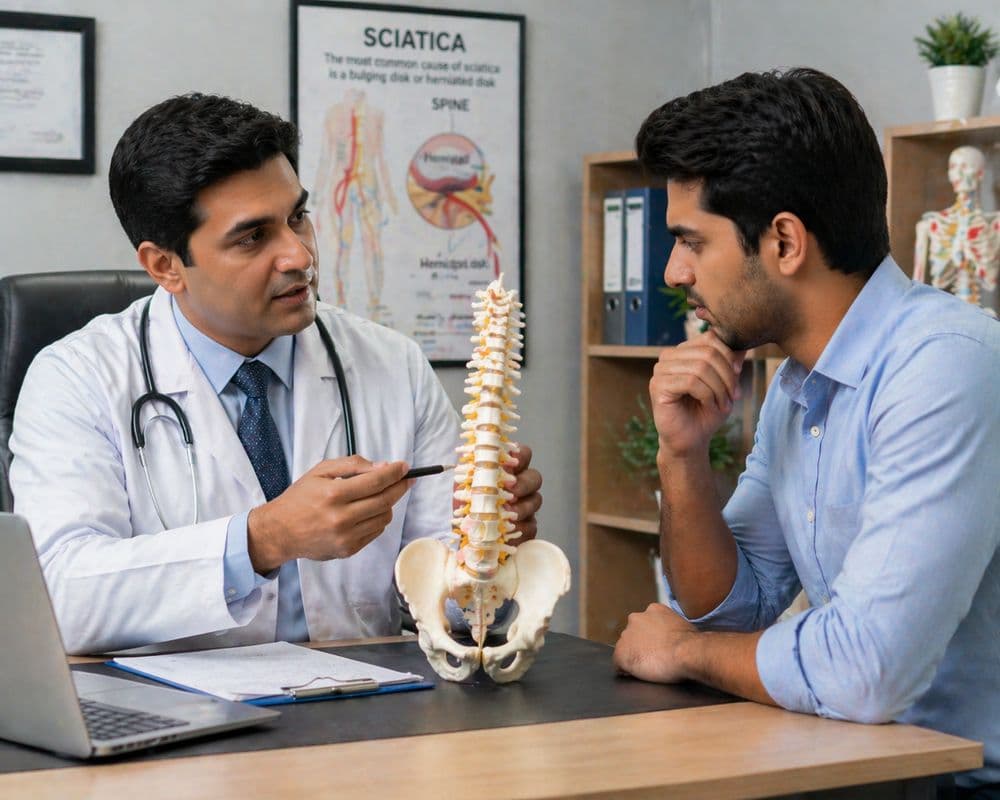
Sciatica refers to pain that travels along the sciatic nerve, which runs from the lower back down to the legs. It usually affects one side of the body and can vary from mild to severe.
Early Signs of Sciatica
Identifying the early symptoms can help prevent worsening of the condition:
- Lower Back Pain: Mild pain or discomfort in the lower back
- Pain Radiating to Leg: Pain that travels from the back to the buttock and leg
- Tingling Sensation: “Pins and needles” feeling in the leg or foot
- Numbness: Loss of sensation in affected areas
- Muscle Weakness: Difficulty in moving the leg or foot
- Pain While Sitting: Increased discomfort when sitting for long periods
Causes of Sciatica
Sciatica can develop due to several reasons:
- Herniated or slipped disc
- Spinal stenosis
- Muscle spasm
- Injury or trauma
- Poor posture or prolonged sitting
🩺 When Should You See a Doctor?
You should consult a doctor if:
- Pain persists for more than a few days
- Pain becomes severe or unbearable
- You experience numbness or weakness
- Difficulty in walking or standing
- Pain radiates continuously down the leg
👉 Early consultation can prevent serious complications.👉 You can easily connect with experienced specialists on Zospital.
Diagnosis
Doctors may recommend:
- Physical examination
- MRI or CT scan
- Nerve tests
These tests help identify the exact cause and severity of the condition.
Treatment Options
Treatment depends on the severity:
- Pain Relief Medications
- Physiotherapy
- Lifestyle Changes
- Exercise and Stretching
- Advanced Treatment (if needed)
Prevention Tips
- Maintain proper posture
- Avoid long sitting hours
- Exercise regularly
- Strengthen back muscles
- Maintain healthy weight
Related reading
Written by
Top Spine Surgeon doctors in Lucknow on Zospital
Verified specialists you can book in minutes.
- Book appointment

Dr. Saijyot Raut
Spine Surgeon
Mumbai
4.9 - Book appointment
Dr N. S . Paliwal
Rehabilitation Specialist
Lucknow
Verified - Book appointment

Dr. Aparna Khandelia
Gynecologist
Lucknow
Verified•4.5 - Book appointment

Dr. Divyansh Bhatt
Gastrologist / Gastroenterologist
Lucknow
Verified•4.9 - Book appointment
Dr. Indra Jeet Gupta
Radiologist / Imaging Specialist
Lucknow
Verified•5 - Book appointment
Dr. Salman Khan
ENT
Lucknow
Verified•4.8
Have More Questions?
Find quick answers to common questions about our services, appointments, and patient care.
Early signs include lower back pain, tingling in the leg, and mild radiating pain.
Mild cases may improve, but proper care and treatment are important.
It can become serious if untreated, especially if nerve damage occurs.
Rest, light exercise, and proper posture can help manage symptoms.
If pain persists, worsens, or causes numbness or weakness, consult a doctor.

Private hospitals in Lucknow on Zospital
Prefer a private option? These hospitals in Lucknow list their doctors and take bookings.
See all hospitals in LucknowRelated Articles
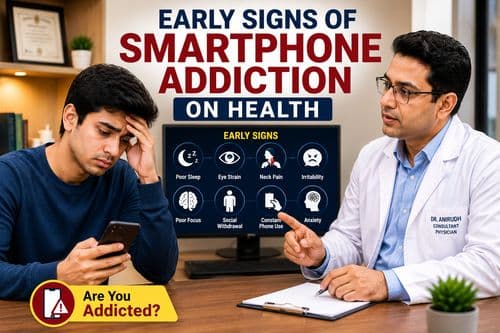
What Are the Early Signs of Smartphone Addiction? Health Effects You Should Not Ignore
Excessive smartphone use may affect sleep, mental well-being, posture, and eye health. Learn the early warning signs of smartphone addiction and its impact on health.

ECHS for Veteran Pensioners Abroad: A Guide for NRIs and OCIs
A guide for veteran pensioners abroad on ECHS rules. Learn about NRI/OCI membership, coverage for dependents in India, and what happens when you live overseas.
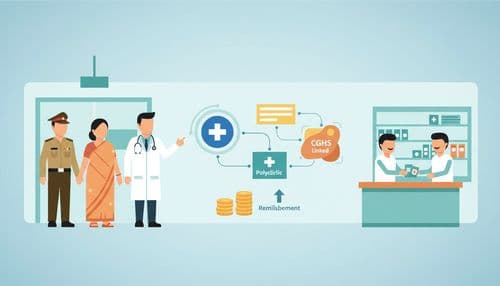
ECHS Rates Explained: How Ex-Servicemen Health Scheme Reimbursement Works
A clear explanation of how ECHS rates and reimbursement work for ex-servicemen, including CGHS-linked rates and the polyclinic referral system.

Written by Dr. Abhinav Srivastava
Orthopaedic Surgeon, MBBS, MS
Last reviewed: 9 August 2026
Medical Disclaimer
The content provided on Zospital is for general informational and educational purposes only. It is not intended as a substitute for professional medical advice, diagnosis, or treatment. Always seek the advice of your physician or other qualified healthcare provider with any questions you may have regarding a medical condition. Never disregard professional medical advice or delay in seeking it because of something you have read on this website. If you think you may have a medical emergency, call your doctor or emergency services immediately.
Are you a doctor or run a clinic or hospital?
Patients across India are searching Zospital right now. Get a free profile with reviews, timings and direct WhatsApp bookings.