Early Signs of Fatty Liver Disease You Should Not Ignore
Medically reviewed by Dr. Vishwanath Pratap Singh, Laproscopic and Minimally invasive Surgeon
Last reviewed: 9 Aug 2026
What is Fatty Liver Disease?
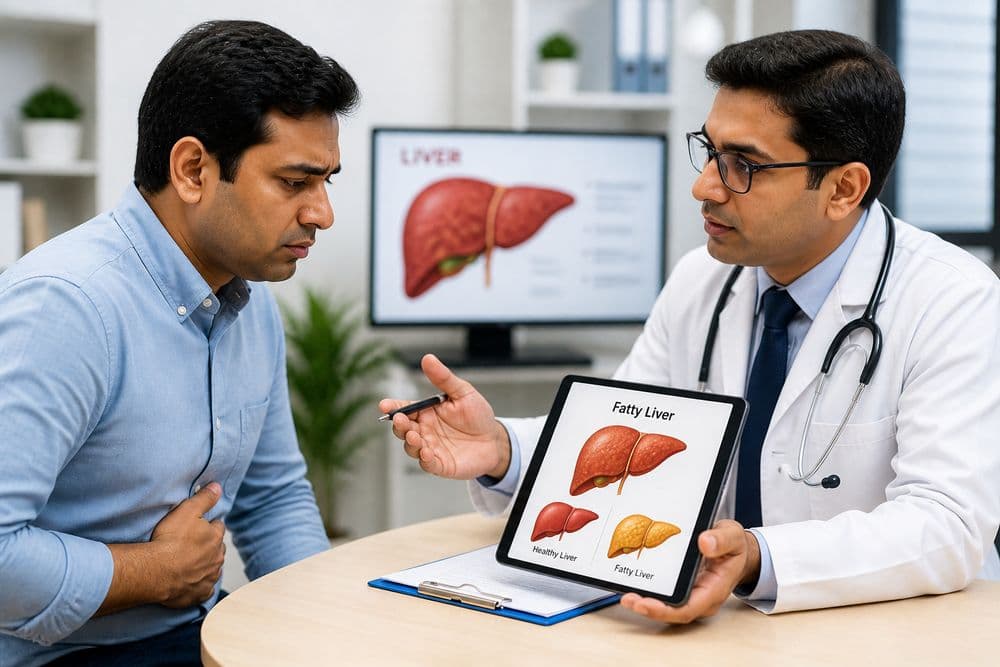
Fatty liver disease occurs when excess fat builds up in liver cells. It is commonly linked to lifestyle factors such as poor diet, obesity, and lack of physical activity. In early stages, it may not show clear symptoms, which is why awareness is important.
Early Signs of Fatty Liver Disease
1. Constant Fatigue
Feeling tired all the time without a clear reason can be an early sign. The liver plays a key role in energy metabolism, and its dysfunction can lead to fatigue.
2. Discomfort in Upper Abdomen
A mild pain or heaviness in the upper right side of the abdomen may indicate liver enlargement or inflammation.
3. Bloating and Indigestion
Digestive issues like bloating, gas, or discomfort after meals are commonly associated with fatty liver.
4. Unexplained Weight Gain or Difficulty Losing Weight
Fatty liver is often linked with metabolic imbalance, making weight management difficult.
5. Loss of Appetite
Reduced hunger or feeling full quickly can be an early symptom.
6. Mild Nausea
Some people experience occasional nausea, especially after eating heavy or fatty foods.
7. Darkening of Skin (Acanthosis Nigricans)
Dark patches around the neck or underarms may indicate insulin resistance, which is often associated with fatty liver.
Why Early Detection is Important
Fatty liver disease can progress silently from simple fat accumulation to inflammation and even liver damage if ignored. Early detection helps in reversing the condition with lifestyle changes.
Risk Factors
- Obesity or overweight
- Sedentary lifestyle
- Diabetes or high blood sugar
- High cholesterol levels
- Poor eating habits (junk food, sugary drinks)
- Alcohol consumption (in some cases)
When Should You See a Doctor?
- Persistent fatigue and weakness
- Ongoing abdominal discomfort
- Sudden changes in appetite or weight
- Abnormal liver function tests
Early consultation can help prevent complications like liver inflammation or fibrosis.
How to Manage Early Fatty Liver
1. Maintain a Healthy Diet
Reduce oily, processed, and sugary foods. Include fruits, vegetables, and fiber-rich meals.
2. Regular Exercise
Physical activity helps reduce liver fat and improves metabolism.
3. Weight Management
Even small weight loss can significantly improve liver health.
4. Control Blood Sugar & Cholesterol
Proper management reduces risk and progression.
5. Avoid Alcohol (if advised)
Reducing alcohol intake helps prevent further liver damage.
Conclusion
Early signs of fatty liver disease are often mild and easy to ignore. However, recognizing these symptoms early can help reverse the condition through proper lifestyle changes and medical guidance. Timely action can protect your liver and overall health.
Related reading
Written by
Top General Surgeon doctors in Varanasi on Zospital
Verified specialists you can book in minutes.
- Book appointment

Dr. Vishal Kumar Chorasiya
General Surgery
Greater Noida
5 - Book appointment
Dr. Shivam Bajpai
General Surgeon
Lucknow
4.9 - Book appointment

Dr Mohd Yunus Saleem
General Surgeon
Lucknow
4.8 - Book appointment

Dr. Ankur Bansal
General Surgeon
Agra
4.7 - Book appointment

Dr. O.P. Singh
General Surgeon
Jaunpur
4.9 - Book appointment

Dr. Naina Gupta
Oncologist
Varanasi
Verified•4
Have More Questions?
Find quick answers to common questions about our services, appointments, and patient care.
Yes, with proper diet, exercise, and lifestyle changes, early fatty liver can often be reversed.
In early stages it may not be serious, but if ignored, it can lead to liver damage.
It may cause mild discomfort in the upper right abdomen.
Through ultrasound, blood tests, or liver function tests.
Yes, even people with normal weight can develop fatty liver due to poor diet or metabolic issues.

““Minimally Invasive Surgery, Maximum Patient Comfort.””
Dr. Vishwanath Pratap Singh
Laproscopic and Minimally invasive Surgeon
Related Articles

Early Signs of Sciatica: Symptoms You Should Not Ignore
Sciatica is a condition that occurs when the sciatic nerve gets irritated or compressed. It often starts with mild discomfort but can gradually become severe if not treated on time. Recognizing the early signs of sciatica can help you take timely action and avoid complications.
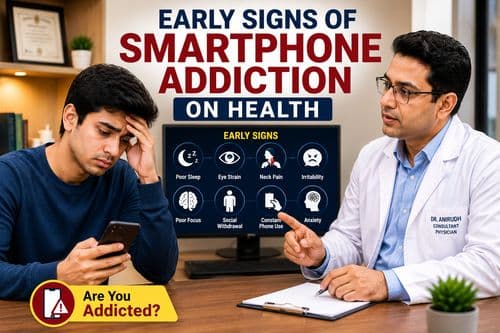
What Are the Early Signs of Smartphone Addiction? Health Effects You Should Not Ignore
Excessive smartphone use may affect sleep, mental well-being, posture, and eye health. Learn the early warning signs of smartphone addiction and its impact on health.

ECHS for Veteran Pensioners Abroad: A Guide for NRIs and OCIs
A guide for veteran pensioners abroad on ECHS rules. Learn about NRI/OCI membership, coverage for dependents in India, and what happens when you live overseas.

Written by Dr. Vishwanath Pratap Singh
Laproscopic and Minimally invasive Surgeon
Last reviewed: 9 August 2026
Medical Disclaimer
The content provided on Zospital is for general informational and educational purposes only. It is not intended as a substitute for professional medical advice, diagnosis, or treatment. Always seek the advice of your physician or other qualified healthcare provider with any questions you may have regarding a medical condition. Never disregard professional medical advice or delay in seeking it because of something you have read on this website. If you think you may have a medical emergency, call your doctor or emergency services immediately.
Are you a doctor or run a clinic or hospital?
Patients across India are searching Zospital right now. Get a free profile with reviews, timings and direct WhatsApp bookings.