Cashless Approval for Hernia Surgery: Documents and Timeline

Quick answer
For cashless hernia surgery in India, government scheme beneficiaries (like CGHS) use their scheme card and a referral at network hospitals. Government self-pay patients can access subsidized or free treatment at government hospitals. Private self-pay patients negotiate costs directly with the hospital. For private insurance, submit a pre-authorization request to your insurer via the hospital. Key documents include your health insurance e-card, doctor's recommendation, and diagnostic reports. Approval can take a few hours to 2-3 days, depending on urgency and insurer. If denied, you can appeal or pay upfront and claim reimbursement.
Understanding Cashless Approval for Hernia Surgery
Cashless approval means your health insurance company pays your hospital bills directly for hernia surgery. You do not pay out of pocket at the time of treatment. This is available at hospitals within your insurer's network. The process starts when your doctor recommends surgery.
Documents Required for Cashless Pre-authorization
To begin cashless pre-authorization, you generally need:
- Health Insurance E-card/Policy Details: Your policy number and insurer details.
- Doctor's Prescription/Recommendation: A letter from your doctor stating the need for hernia surgery.
- Diagnostic Reports: Ultrasound, CT scan, or other reports confirming the hernia.
- Medical History: Past medical records supporting the surgery.
- Pre-authorization Request Form: Provided by the hospital's insurance desk, filled with your details and proposed treatment.
- KYC Documents: Aadhar card or other government ID.
The Cashless Pre-authorization Process
- Admission and Notification: Inform the hospital's insurance desk you will use cashless facility after your doctor advises surgery.
- Form Submission: The hospital provides a pre-authorization form. Fill it accurately with your policy and personal information. The hospital completes its section with surgery details, estimated cost, and your medical condition.
- Document Submission: Submit all required documents, including your insurance e-card/policy, doctor's prescription, diagnostic reports, and the completed pre-authorization form, to the hospital's insurance desk.
- Hospital to Insurer: The hospital's insurance desk sends these documents to your health insurance company or Third-Party Administrator (TPA).
- Review by Insurer: The insurance company/TPA reviews the documents. Their medical team may assess the surgery's necessity and treatment plan.
- Approval or Query:
- Approval: If approved, the insurer sends an approval letter to the hospital, sanctioning a specific amount.
- Query: If more information is needed, they will raise a query with the hospital.
Likely Timeline for Approval
The timeline for cashless approval varies:
- Planned Surgeries: For elective surgeries, approval typically takes 2-3 business days after all documents are submitted.
- Emergency Surgeries: For emergencies, approval can come within a few hours. The hospital usually initiates a "fast-track" pre-authorization.
Start the pre-authorization process early for planned surgeries to avoid delays.
What to Do After a Query or Denial
If Your Request is Queried
If your insurer raises a query, they need more information.
- Hospital's Role: The hospital's insurance desk will inform you and help gather additional documents or clarifications. This might include more tests or a detailed medical report.
- Prompt Action: Respond quickly to queries to avoid delays.
If Your Request is Denied
A denial is not final.
- Understand the Reason: Ask your insurer or hospital why it was denied. Reasons can include undisclosed pre-existing conditions or non-covered treatments.
- Appeal the Decision:
- Gather More Evidence: If you believe the denial is unfair, appeal. Work with your doctor to provide additional medical reports or second opinions.
- Direct Communication: You or the hospital can contact the insurance company's grievance redressal cell.
- Pay and Claim Reimbursement: If cashless approval is denied and surgery cannot wait, pay upfront and file for reimbursement later. Keep all original bills, discharge summaries, and reports.
Government Schemes and Private Self-Pay
For Central Government Health Scheme (CGHS) or Ex-servicemen Contributory Health Scheme (ECHS) beneficiaries, cashless treatment for hernia surgery follows scheme guidelines and network hospitals. You need your scheme card and a referral from a CGHS/ECHS medical officer. State-specific health schemes also offer cashless facilities in empanelled hospitals, requiring relevant scheme cards and documentation.
For those not covered by these schemes, government hospitals offer subsidized or free treatment. This may involve different administrative steps and longer waiting times for elective surgeries. Private self-pay patients negotiate costs directly with the hospital and pay out-of-pocket.
Obtaining a Written Estimate
Always request a detailed written estimate from the hospital before surgery. This estimate should itemize costs for surgeon's fees, anesthesia, operation theatre charges, room rent, medicines, consumables, and diagnostic tests. This helps you understand potential out-of-pocket expenses, even with cashless approval, as some costs might not be fully covered.
Related guides
- Health Insurance Claims and Portability in India
- C-Section Cost in India: CGHS, Govt, Private & Insurance
- Cashless Approval for C-Section: Documents and Timeline
- Does Health Insurance Cover C-Section? Cashless Claim Guide
- Hernia Surgery Cost in India: CGHS, Govt, Private & Insurance
- Maternity Cover in Health Insurance: Waiting Period & Sub-Limits
Sources
- Central Government Health Scheme (CGHS) Guidelines
- IRDAI (Health Insurance) Regulations, 2016
Related Articles

Cashless Approval for Knee Replacement: Documents and Timeline
A simple patient guide to cashless approval for knee replacement: documents and timeline, including documents, costs and questions to ask.
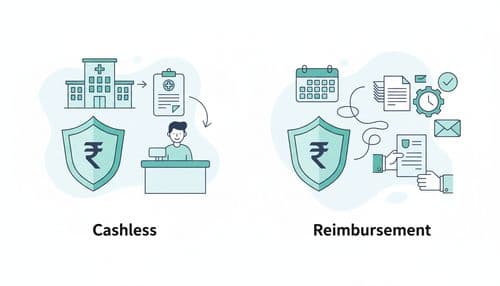
Cashless vs Reimbursement Claim in Health Insurance: A Guide
A detailed guide for Indian families on the difference between cashless and reimbursement health insurance claims, including IRDAI's 2024 rules on timelines, required documents, and the new 'Cashless Everywhere' facility.
Cataract: Causes, Symptoms and Treatment
A clear guide to cataract, its causes and symptoms, and how cataract surgery with an intraocular lens restores vision.
Medical Disclaimer
The content provided on Zospital is for general informational and educational purposes only. It is not intended as a substitute for professional medical advice, diagnosis, or treatment. Always seek the advice of your physician or other qualified healthcare provider with any questions you may have regarding a medical condition. Never disregard professional medical advice or delay in seeking it because of something you have read on this website. If you think you may have a medical emergency, call your doctor or emergency services immediately.