Why Do Headaches Increase During Summer? Common Causes and Prevention Tips
Medically reviewed by Dr. Alok Srivastav, Neurosurgeon
Last reviewed: 9 Aug 2026
Introduction
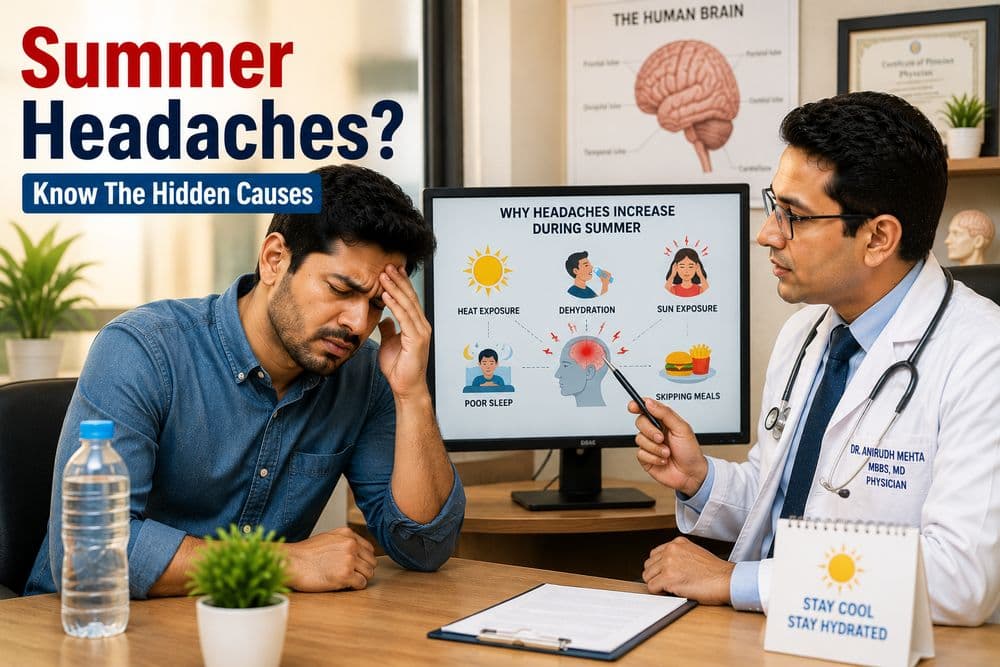
Many people notice that headaches become more frequent during the summer months. Rising temperatures, intense sunlight, dehydration, and changes in daily routines can all affect the body and contribute to headache episodes.
While occasional headaches are common, recurring headaches during hot weather should not be ignored. Understanding the triggers can help reduce discomfort and prevent future episodes.
Why Are Summer Headaches Common?
The body works harder to regulate its temperature during hot weather. Excessive heat, fluid loss, and prolonged sun exposure may place additional stress on the body and increase the likelihood of headaches.
Summer headaches may range from mild discomfort to severe throbbing pain, depending on the underlying cause.
Common Causes of Headaches During Summer
1. Dehydration
One of the most common causes of summer headaches is dehydration.
During hot weather, the body loses water through sweating.
Dehydration may lead to:
- Headache
- Fatigue
- Dizziness
- Dry mouth
- Reduced concentration
Even mild dehydration can sometimes trigger headaches.
2. Excessive Heat Exposure
Spending long periods outdoors in extreme heat may affect the body's temperature regulation.
This can contribute to:
- Heat exhaustion
- Fatigue
- Headaches
- Weakness
3. Direct Sunlight
Prolonged exposure to sunlight may trigger headaches in some individuals.
Bright sunlight can also worsen symptoms in people who are sensitive to light.
4. Heat Exhaustion
Heat exhaustion is a heat-related illness that can occur when the body becomes overheated.
Common symptoms include:
- Headache
- Excessive sweating
- Weakness
- Nausea
- Dizziness
Prompt cooling and hydration are important.
5. Changes in Sleep Patterns
Long summer days and altered routines may affect sleep quality.
Poor sleep is a well-known trigger for headaches.
6. Skipping Meals
Busy schedules and outdoor activities may cause some people to miss meals.
Low blood sugar levels may contribute to:
- Headaches
- Fatigue
- Irritability
7. Eye Strain
Bright sunlight and increased screen use during vacations or leisure time may lead to eye strain and headaches.
Symptoms That May Accompany Summer Headaches
Depending on the cause, symptoms may include:
- Throbbing head pain
- Fatigue
- Dizziness
- Excessive sweating
- Nausea
- Light sensitivity
- Weakness
- Difficulty concentrating
Who Is More Likely to Experience Summer Headaches?
Summer headaches are more common among:
- Outdoor workers
- Athletes
- Children playing outdoors
- Older adults
- Individuals with migraine history
- People who do not drink enough water
How Can You Prevent Summer Headaches?
Stay Hydrated
Drink water regularly throughout the day, especially when outdoors.
Avoid Peak Heat Hours
Try to limit outdoor activities during the hottest part of the day.
Wear Protective Clothing
Use:
- Hats
- Sunglasses
- Light-colored clothing
to reduce heat exposure.
Eat Regular Meals
Balanced meals may help maintain stable energy levels and reduce headache triggers.
Get Adequate Sleep
Maintaining a consistent sleep schedule may help prevent headaches.
Take Breaks in Cool Environments
Resting in shaded or air-conditioned areas can help reduce heat stress.
When Should You See a Doctor?
Seek medical attention if headaches:
- Become severe
- Occur frequently
- Are associated with fainting
- Are accompanied by confusion
- Occur with high fever
- Do not improve with hydration and rest
These symptoms may indicate a more serious condition.
Can Summer Heat Trigger Migraines?
Yes.
Individuals with migraine disorders may find that:
- Heat
- Bright sunlight
- Dehydration
- Sleep disruption
increase the likelihood of migraine attacks.
Proper hydration and trigger management may help reduce episodes.
Conclusion
Headaches often become more common during summer due to dehydration, heat exposure, sunlight, sleep disturbances, and lifestyle changes. Staying hydrated, avoiding excessive heat, and maintaining healthy daily habits can significantly reduce the risk of summer-related headaches.
If headaches become severe, persistent, or are associated with other concerning symptoms, medical evaluation is recommended.
Related reading
Top Neurosurgeon doctors in Lucknow on Zospital
Verified specialists you can book in minutes.
- Book appointment

Dr Rahul Chhajed
Neurosurgeon
Mumbai Central Mumbai
- Book appointment

Dr. Arun L. Naik
Neurosurgeon
Bengaluru
4.7 - Book appointment

Dr. H V Satish Babu
Neurosurgeon
Bengaluru
5 - Book appointment

Dr. Sharan Srinivasan
Neurosurgeon
Bengaluru
4.9 - Book appointment

NeuroSpine Surgical Consultants
Neurosurgery
Alappuzha
4.4 - Book appointment
Blake Staub, MD
Neurosurgery
Alappuzha
4.6
Have More Questions?
Find quick answers to common questions about our services, appointments, and patient care.
Heat, dehydration, sunlight exposure, and changes in routine may contribute to headaches.
Yes. Dehydration is one of the most common causes of summer headaches.
Yes. Heat and dehydration can trigger migraines in susceptible individuals.
Prolonged exposure to bright sunlight may trigger headaches in some people.
Hydration needs vary, but drinking water regularly throughout the day is important.
“ MBBS ,Mch Neurosurgery”
Dr. Alok Srivastav
Neurosurgeon
Private hospitals in Lucknow on Zospital
Prefer a private option? These hospitals in Lucknow list their doctors and take bookings.
- Paarth Eye Hospital & Retina Centre
- Urmila Devi Memorial Hospital- Child Specialist Hospital in Lucknow | Pediatrician hospital
- SPARSH CHILDREN'S HOSPITAL & VACCINATION CENTER | Child Hospital in Raebareli Road Lucknow | Dr. Akhilesh Pandey |
Related Articles

Why Do I Feel My Heartbeat Fast Without Exercise?
Feeling a fast heartbeat without exercise can be due to stress, anxiety, dehydration, or heart-related conditions. Early evaluation helps prevent complications.
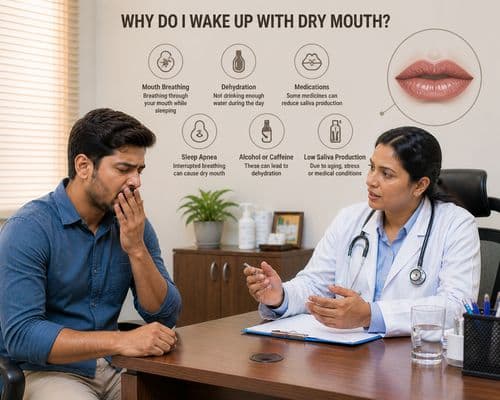
Why Do I Wake Up With a Dry Mouth?
Waking up with a dry mouth can be due to dehydration, mouth breathing, or underlying health issues. Identifying the cause helps in effective relief.

Why Do Leg Cramps Increase During Summer? Causes, Prevention and Relief Tips
Leg cramps often become more common during hot weather due to dehydration, electrolyte imbalance, and increased sweating. Learn the common causes and prevention tips.
Written by Dr. Alok Srivastav
Neurosurgeon
Last reviewed: 9 August 2026
Medical Disclaimer
The content provided on Zospital is for general informational and educational purposes only. It is not intended as a substitute for professional medical advice, diagnosis, or treatment. Always seek the advice of your physician or other qualified healthcare provider with any questions you may have regarding a medical condition. Never disregard professional medical advice or delay in seeking it because of something you have read on this website. If you think you may have a medical emergency, call your doctor or emergency services immediately.
Are you a doctor or run a clinic or hospital?
Patients across India are searching Zospital right now. Get a free profile with reviews, timings and direct WhatsApp bookings.