Second Opinion: A Patient's Guide in North India
Medically reviewed by Dr. Pranjal Sharma, Radiologist, MBBS , MD
Last reviewed: 24 Aug 2026 · How we review health content
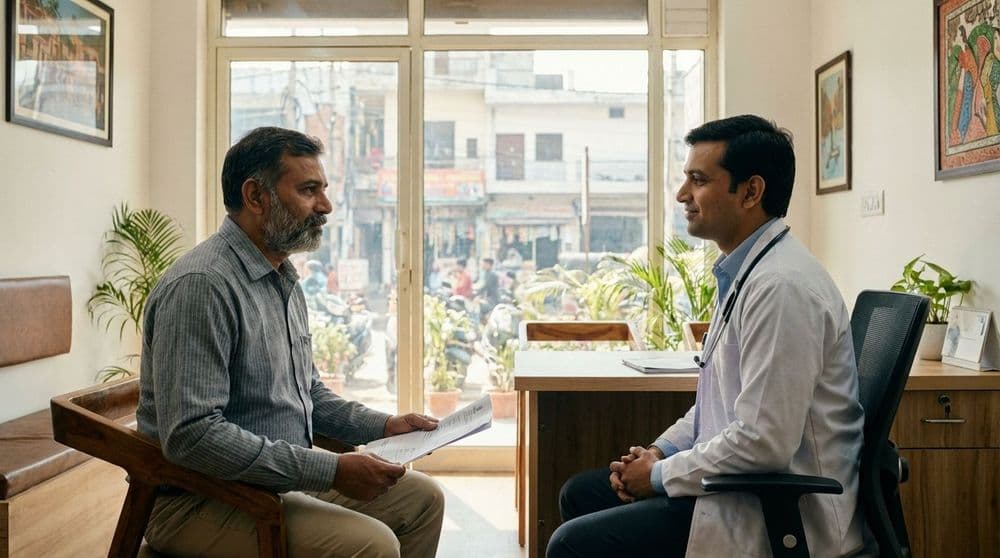
Receiving a medical diagnosis can be an overwhelming experience, filled with questions and uncertainty. In cities like Lucknow, Delhi, or Varanasi, while we have access to excellent doctors, it's natural to wonder if you're on the right path. This is where seeking a second medical opinion becomes not just a right, but a crucial step in taking control of your health journey. It’s an empowering tool that ensures you are making the most informed decisions for your well-being.
Many of us hesitate, worrying about offending our current doctor. However, modern healthcare, both globally and here in India, recognizes this as a standard and often beneficial practice. It's about collaboration and ensuring all stones are unturned for your health. Let’s explore why this second look is so important and how you can navigate the process with confidence.
When Should You Get a Second Medical Opinion?
Deciding to seek another doctor's view can be prompted by various situations. It's not a sign of distrust, but rather of diligence. According to experts at Loyola Medicine, it's often better to get a second opinion sooner rather than later, especially if a clear diagnosis is pending. Here are some common scenarios where a second opinion is highly recommended:
- Serious Diagnosis: If you've been diagnosed with a life-threatening or life-altering condition like cancer, heart disease, or a neurological disorder, a second opinion can confirm the diagnosis and provide alternative treatment perspectives.
- High-Risk Treatment is Suggested: When a doctor recommends a major surgery, an invasive procedure, or a treatment with significant side effects (like chemotherapy), understanding all your options is critical.
- Your Symptoms Persist: If you've been following a treatment plan but your condition isn't improving, or is getting worse, another specialist might identify a different underlying issue.
- A Rare Disease Diagnosis: For uncommon or complex conditions, consulting a specialist who has more experience with that specific disease can be invaluable.
- You Feel Unsure or Unheard: Sometimes, it's just a gut feeling. If you feel your concerns aren't being fully addressed or you find the diagnosis confusing, seeking clarity from another professional can provide immense peace of mind.
- Multiple Treatment Options: If there are several ways to treat your condition, a second doctor can help you weigh the pros and cons of each, helping you choose the path that best suits your lifestyle and health goals.
The Real Benefits: More Than Just Confirmation
The goal of a second opinion isn't always to hear a different diagnosis; often, it confirms the original one, which builds tremendous confidence in your treatment plan. The American Medical Association highlights that second opinions are vital for patient empowerment and safety. Here’s what you stand to gain:
Deeper Understanding and Confidence
Having two doctors explain your condition can clarify complex medical information. You might learn something new about your illness or the proposed treatment, solidifying your understanding and making you a more active participant in your own care.
New or Different Treatment Options
Medicine is a constantly evolving field. A different doctor, perhaps with a different specialization or access to newer research, might suggest alternative treatments. As noted by healthcare experts, a second opinion can sometimes reveal less invasive or more advanced options that you weren't aware of.
Correction of Misdiagnosis
While not common, misdiagnoses can happen. A second look by a fresh pair of eyes can catch errors, ensuring you are being treated for the correct condition. This is especially crucial for conditions with overlapping symptoms.
Peace of Mind ('Mann ki Shanti')
This is perhaps the most immediate benefit. Knowing that two independent experts agree on your diagnosis and treatment plan can alleviate a great deal of stress and anxiety. This mental peace is an essential part of the healing process.
How to Get a Second Opinion: A Simple Guide
Navigating the process might seem daunting, but it's quite straightforward. Here’s a step-by-step approach, keeping the North Indian context in mind.
1. Talk to Your Current Doctor
This can be the hardest step, but it's important. Be honest and direct. You can say something like, "Doctor Sahib, this is a big decision for me, and for my own peace of mind, I would like to get a second opinion." Most physicians are professional and supportive. They understand your need for assurance. As Keck Medicine of USC points out, doctors should be supportive, as it ultimately brings the patient peace of mind.
2. Gather Your Medical Records
You are legally entitled to your medical records. Request a complete file from your doctor's office or the hospital. This should include: - The diagnosis report - Lab results and blood work - X-rays, MRIs, CT scans, and any other imaging reports - Past treatment details and medications
3. Find the Right Specialist
Ask for a recommendation from your current doctor or a trusted General Physician. You can also ask family or friends, as suggested by the American Heart Association. Many large hospital chains in cities like Delhi, Lucknow, and Gurugram, such as Max Healthcare or Yashoda Hospitals, have dedicated departments or online portals for second opinions.
4. Prepare for the Appointment
Before you meet the new doctor, prepare a list of questions. Be specific. What are your main concerns? What do you want to know about the diagnosis, the treatment options, and the potential outcomes? This ensures you make the most of your consultation.
5. Make an Informed Decision
If the second opinion confirms the first, you can proceed with confidence. If it differs, don't panic. You might need to ask the two doctors to confer, or even seek a third opinion from a leading expert in the field. The ultimate goal is to create a clear, confident path forward for your health.
Taking charge of your health is your greatest responsibility. Seeking a second opinion is a powerful and wise step in that journey. It empowers you with knowledge, validates your path, and provides the essential peace of mind needed to face any health challenge.
Experiencing persistent symptoms? Consult Dr. Numan Uz Zaman Khan, a leading General Physician in your area. Book Appointment
Related reading
- OPD Appointment at Government Medical College Anantnag: A Patient Guide
- OPD Appointment at Government Medical College Dungarpur: A Patient Guide
- OPD Appointment at Government Medical College Churu (DB Hospital): A Patient Guide
Top Radiologist / Imaging Specialist doctors in Lucknow on Zospital
Explore professional profiles and available appointment options.
- Book appointment

Dr. Indra Jeet Gupta
Radiologist / Imaging Specialist
Lucknow
Verified•5 - Book appointment
Dr Lal PathLabs Aligarh
Radiologist / Imaging Specialist
Aligarh
5 - Book appointment
MIDAS SCANS & LABS
Radiologist / Imaging Specialist
Alappuzha
3.6 - Book appointment
Dr. B. Lal Clinical Laboratory - Kala Bagh, Ajmer
Radiologist / Imaging Specialist
Ajmer
5 - Book appointment
Dr. B. Lal Clinical Laboratory - Gandhi Nagar, Ajmer
Radiologist / Imaging Specialist
Ajmer
4.9 - Book appointment

PRINT STAR IMAGING SOLUTION
Radiologist / Imaging Specialist
Ajmer
4.8
Have More Questions?
Find quick answers to common questions about our services, appointments, and patient care.
A second medical opinion is an assessment of your health condition and treatment plan by a doctor other than the one you are currently seeing. This new doctor reviews your medical records to provide their expert view on the diagnosis and recommended treatment.
Yes, it is often worth it. A second opinion can confirm your diagnosis, offer alternative treatment options, correct a potential misdiagnosis, or simply provide peace of mind. It empowers you to make more informed decisions about your health.
Most medical professionals are supportive of patients seeking a second opinion. They understand it's a standard practice that helps patients feel more confident and informed. A good doctor will prioritize your peace of mind and well-being.
The best way is to be honest and straightforward with your current doctor. Politely explain that you would like to get a second opinion for your own peace of mind and to be fully informed. Also, be sure to request a copy of all your medical records to share with the next physician.

“The Clarity You Need for the Cure You Deserve.”
Dr. Pranjal Sharma
Radiologist, MBBS , MD
Private hospitals in Lucknow on Zospital
Prefer a private option? These hospitals in Lucknow list their doctors and take bookings.
- Paarth Eye Hospital & Retina Centre
- Urmila Devi Memorial Hospital- Child Specialist Hospital in Lucknow | Pediatrician hospital
- SPARSH CHILDREN'S HOSPITAL & VACCINATION CENTER | Child Hospital in Raebareli Road Lucknow | Dr. Akhilesh Pandey |
Related Articles
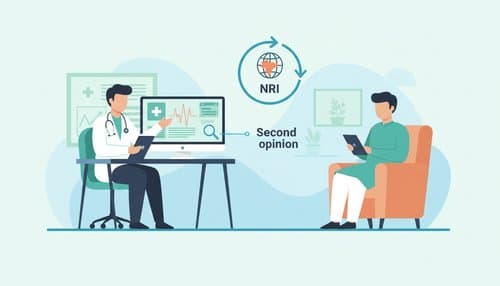
Online Second Medical Opinions for NRIs from Indian Doctors
For NRIs seeking a second opinion from specialists in India, telemedicine offers a way to connect. Learn how to access these services and what to expect.

Section 80D Deduction for Senior Citizens: A Tax Guide
A detailed guide to understanding the tax benefits available under Section 80D of the Income-tax Act, 1961, with a focus on deductions for health insurance premiums paid for senior citizen parents and family members.

Seene Me Dard: Gas Hai Ya Heart Attack? Fark Aise Pehchanein
Seene ka dard gas ka hai ya dil ka — yeh sawal jaan bacha sakta hai. Janiye heart attack ke lakshan aur turant kya karein. Der bilkul na karein.

Written by Dr. Pranjal Sharma
Radiologist, MBBS , MD
Last reviewed: 24 August 2026
Medical Disclaimer
The content provided on Zospital is for general informational and educational purposes only. It is not intended as a substitute for professional medical advice, diagnosis, or treatment. Always seek the advice of your physician or other qualified healthcare provider with any questions you may have regarding a medical condition. Never disregard professional medical advice or delay in seeking it because of something you have read on this website. If you think you may have a medical emergency, call your doctor or emergency services immediately.
Are you a doctor or run a clinic or hospital?
Patients across India are searching Zospital right now. Get a free profile with reviews, timings and direct WhatsApp bookings.