Section 80D Deduction for Senior Citizens: A Tax Guide
Medically reviewed by Dr. Nikhil Singh, Anaesthesia, MBBS, MD
Last reviewed: 24 Aug 2026
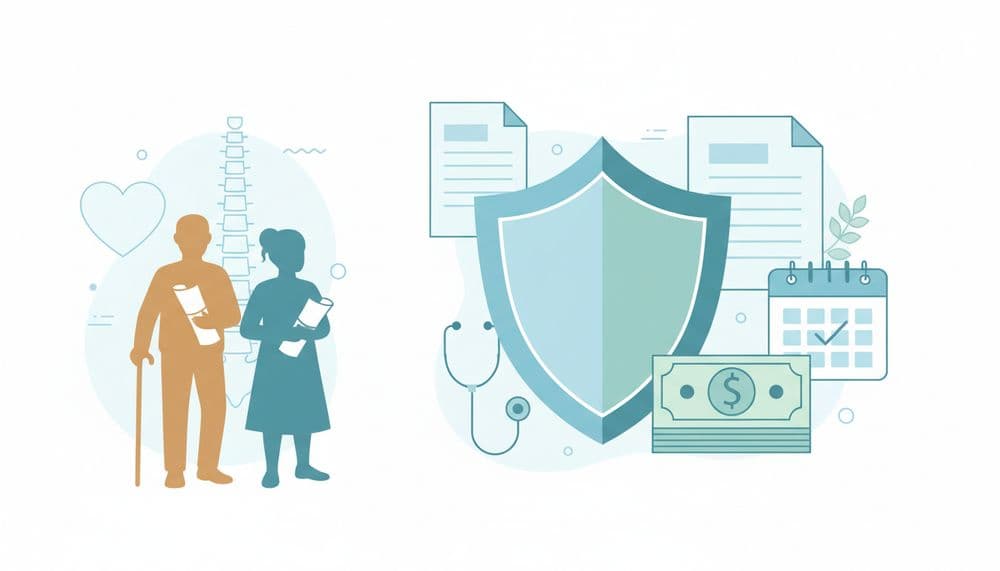
Section 80D of the Income-tax Act, 1961, allows you to reduce your taxable income by claiming a deduction for health insurance premiums paid. This is a significant tool for families managing healthcare costs, and this guide explains how the mechanism works. It is particularly useful when considering a policy for older family members, as it offers a higher section 80D deduction for senior citizens.
However, there is a critical pre-condition you must be aware of. The tax benefit on health insurance premium in India under Section 80D is available only to taxpayers who choose to file their income tax returns under the old tax regime. The new tax regime, which is the default option since Financial Year 2023-24, does not permit this deduction. You must actively opt for the old regime to claim these benefits.
Section 80D Deduction Limits (Applicable to Old Tax Regime Only)
These figures are for the Financial Year 2025-26 (Assessment Year 2026-27). The deduction for preventive health check-ups is part of the total limit, not in addition to it.
- For Self, Spouse & Dependent Children (< 60 years) — Up to ₹25,000 per year
- For Self/Spouse being a Senior Citizen (≥ 60 years) — Up to ₹50,000 per year
- For Parents (< 60 years) — Up to ₹25,000 per year (additional)
- For Parents being Senior Citizens (≥ 60 years) — Up to ₹50,000 per year (additional)
- Maximum Possible Deduction (Taxpayer & Parents are Senior Citizens) — ₹1,00,000 per year
- Sub-limit for Preventive Health Check-up — Up to ₹5,000 (included within the overall limits)
Rates shown are as per the Income-tax Act, 1961 (1961) and are subject to periodic revision. Always verify the latest approved rates on the official source.
MECHANISM: How to Calculate Your Section 80D Deduction
Understanding how the deduction is calculated is key to making an informed decision. The total deduction is the sum of two separate parts: one for your own family unit (self, spouse, dependent children) and another for your parents. Let's walk through a concrete example.
Illustrative Example:
Imagine Ms. Sharma is 45 years old and files her taxes under the old tax regime. Her parents are 68 and 70 years old. During the financial year, she makes the following payments:
1. Health insurance premium for herself, her husband, and her child: ₹22,000
2. Health insurance premium for her senior citizen parents: ₹52,000
3. Cost of a preventive health check-up for her own family: ₹4,000
4. Cost of a preventive health check-up for her parents: ₹3,000
Here is the step-by-step calculation of her total eligible deduction under Section 80D:
Part 1: Deduction for Self, Spouse, and Child
Ms. Sharma's family members are all under 60. Therefore, their maximum deduction limit is ₹25,000.
- Premium Paid: ₹22,000
- Preventive Health Check-up Cost: ₹4,000
- Total Expense: ₹22,000 + ₹4,000 = ₹26,000
- Eligible Deduction: The total expense is ₹26,000, but the claim is capped at the maximum limit of ₹25,000 for this category.
Part 2: Deduction for Senior Citizen Parents
Since Ms. Sharma's parents are senior citizens, the maximum deduction limit for them is ₹50,000.
- Premium Paid: ₹52,000
- Preventive Health Check-up Cost: ₹3,000
- Total Expense: ₹52,000 + ₹3,000 = ₹55,000
- Important Note on Check-ups: The ₹5,000 sub-limit for check-ups is a combined limit for the taxpayer's family and parents. Ms. Sharma has already used ₹4,000 of this limit for her family. She can only claim ₹1,000 for her parents' check-up (₹5,000 total limit - ₹4,000 already claimed). However, in this case, her premium alone (₹52,000) already exceeds the ₹50,000 cap, so the check-up cost provides no additional benefit.
- Eligible Deduction: The total expense exceeds the cap. The claim is capped at the maximum limit of ₹50,000 for senior citizen parents.
Total Section 80D Deduction for Ms. Sharma:
Total Claim = (Deduction for Self/Family) + (Deduction for Parents) = ₹25,000 + ₹50,000 = ₹75,000.
By paying these premiums, Ms. Sharma can reduce her gross taxable income by ₹75,000 for the financial year.
ENTITLEMENT: Your Rights Under the Income-tax Act, 1961
Your ability to claim this tax benefit is not a discretionary offer from an insurer; it is a legal entitlement granted to taxpayers by the Government of India.
The governing instrument is Section 80D of the Income-tax Act, 1961. As per the provisions of this Act (as amended), if you are an individual taxpayer who has opted for the old tax regime, you are entitled to claim a deduction against your gross total income for amounts paid towards health insurance and preventive health check-ups.
Your entitlement is subject to the following key conditions laid out in the law:
1. Tax Regime: You must file your income tax return under the old tax regime.
2. Payment Mode: The payment for health insurance premiums must be made through any mode other than cash (e.g., cheque, net banking, UPI, credit/debit card).
3. Eligible Persons: The deduction can be claimed for premiums paid for yourself, your spouse, your dependent children, and your parents.
4. Deduction Limits: The amount you can claim is subject to the specified limits (e.g., ₹25,000 or ₹50,000 depending on age) for each category (self/family and parents).
This right allows you to lower your tax liability by acknowledging the expenditure you incur on protecting your family's health.
Old vs. New Tax Regime: A Critical Choice
A recent and very important change in India's tax laws affects your ability to claim this deduction. Since the financial year 2023-24 (Assessment Year 2024-25), the new tax regime has become the default option for all taxpayers. This new regime offers lower tax rates but gives up most of the popular deductions, including the one under Section 80D.
If you do not actively choose, your taxes will be calculated under the new regime, and you will not be able to claim any deduction for your health insurance premiums. To get the tax benefit on health insurance premium in India, you must consciously opt out of the new regime and choose the old tax regime when filing your income tax return.
Understanding the 80D Deduction for Parents' Health Insurance
Section 80D provides a separate, additional deduction specifically for premiums paid on your parents' health insurance. This is a powerful feature for those supporting their elderly parents.
The deduction limit depends on your parents' age:
- If your parents are below 60 years of age: You can claim an additional deduction of up to ₹25,000 per year for their health insurance premium.
- If either of your parents is a senior citizen (60 years or older): This additional deduction limit increases to ₹50,000 per year.
This deduction is over and above the limit available for your own family unit. For example, a taxpayer under 60 paying for their senior citizen parents' policy can claim up to ₹25,000 for their own family's policy plus up to ₹50,000 for their parents' policy, leading to a total potential deduction of ₹75,000.
The Preventive Health Check-up Sub-Limit (80D Preventive Health Checkup)
The law encourages proactive healthcare by allowing a deduction for money spent on preventive health check-ups. A deduction of up to ₹5,000 is allowed for such expenses.
It is crucial to understand two points about this sub-limit:
1. It is not an additional deduction. This ₹5,000 is included within your overall 80D deduction limit (₹25,000 or ₹50,000). For instance, if your premium is ₹23,000 and you spend ₹4,000 on a check-up, your total claim is ₹25,000 (the maximum for that slab), not ₹27,000.
2. It has a flexible payment option. Unlike insurance premiums, the payment for preventive health check-ups can be made in cash and still be eligible for deduction.
This sub-limit of ₹5,000 applies to the total expenditure on check-ups for yourself, your spouse, dependent children, and parents combined.
Special Provision: Medical Expenses for Uninsured Senior Citizens
Section 80D contains a provision for senior citizens (age 60 and above) who do not have any health insurance coverage. In such cases, a deduction of up to ₹50,000 can be claimed for medical expenditures incurred.
This can be claimed for:
- The taxpayer themselves, if they are a senior citizen with no health insurance.
- The taxpayer's parents, if they are senior citizens with no health insurance.
The critical condition is that no amount should have been paid for a health insurance policy for that person. You cannot claim a deduction for both the insurance premium and medical expenses for the same senior citizen. The Income-tax Act does not provide an exhaustive list of what constitutes 'medical expenditure', but it generally includes costs like doctor's consultation fees, medicines, and hospitalisation charges. It is advisable to consult a tax professional for specific cases.
Rules on Payment and Multi-Year Policies
To ensure the claim is valid, the mode of payment is specified by law. For health insurance premiums, the payment must be made in any mode other than cash. This includes digital payments like UPI and net banking, as well as traditional methods like cheques and demand drafts.
For policies with a term longer than one year, where you pay a lump-sum premium upfront, the deduction must be claimed proportionately. For example, if you pay a premium of ₹60,000 for a 3-year policy, you can claim a deduction of ₹20,000 (₹60,000 / 3 years) in each of the three years. This annual claim is still subject to the overall yearly limits of Section 80D.
Disclaimer
The information provided on this page is for educational purposes only and is based on the provisions of the Income-tax Act, 1961, as of the date of publication. Tax laws are subject to change. The content should not be construed as financial, legal, or medical advice. A decision to purchase or opt-out of health insurance is a significant financial and health decision. We strongly recommend that you consult with a qualified insurance advisor and a chartered accountant to understand your specific needs and tax implications before making any decisions.
More insurance guides
Related guides from our India health insurance hub:
- Health Insurance for Senior Citizens in India: A 2026 Guide
- Health Insurance for Above 70 Years in India: A Guide
- Health Insurance for Parents Above 75 Years in India: A Guide
- Medical Insurance Premium for Senior Citizens: A Calculation Guide
- Senior citizen health insurance in India: all guides
- Health insurance in India: the complete guide
Frequently Asked Questions
Can I claim 80D deduction in the new tax regime?
No. The deduction under Section 80D for health insurance premiums is only available to taxpayers who opt for the old tax regime. The new tax regime, which is the default option, does not allow this deduction.
What is the maximum 80D deduction limit for family and parents?
The maximum possible deduction is ₹1,00,000. This can be claimed if the taxpayer (or spouse) is a senior citizen (claiming up to ₹50,000) and their parents are also senior citizens (claiming an additional ₹50,000).
Can I pay health insurance premium in cash and claim 80D?
No. To claim a deduction for a health insurance premium under Section 80D, the payment must be made in any mode other than cash. However, the sub-limit for preventive health check-ups is an exception; payments for these can be made in cash.
How does 80D work for multi-year health insurance policies?
If you pay a lump-sum premium for a policy covering multiple years, the deduction is allowed on a proportionate basis. You must divide the total premium by the number of years in the policy term and claim that fraction each year, subject to the annual deduction limits.
Is the Rs 5000 for preventive health checkup an extra deduction?
No, it is not an extra or additional deduction. The amount of up to ₹5,000 for preventive health check-ups is a sub-limit included within your overall applicable cap of ₹25,000 or ₹50,000.
Can I claim a Section 80D deduction for my parents-in-law's health insurance?
No. Section 80D of the Income-tax Act explicitly allows deductions for premiums paid for the taxpayer's 'parents'. It does not extend this benefit to parents-in-law. The deduction can only be claimed for your own parents.
What medical expenses can be claimed for uninsured senior citizens?
The Income-tax Act allows a deduction up to ₹50,000 for medical expenditure on uninsured senior citizens but does not provide an exhaustive list of allowed expenses. Generally, this includes costs like medicines, doctor consultations, and hospitalisation. It is best to maintain records of all such expenses and consult a tax advisor for specific guidance.
Related
- Senior citizen health insurance in India
- Health insurance in India: the complete guide
- Government health schemes in India: a guide
- Treatment cost in India: a complete guide
Medical Disclaimer
The information provided in this article is for general informational and educational purposes only. It is not intended as a substitute for professional medical advice, diagnosis, or treatment. Always seek the advice of your physician or other qualified healthcare provider with any questions you may have regarding a medical condition. Never disregard professional medical advice or delay in seeking it because of something you have read in this article.
Written by
Top Anesthesiologist doctors in Lucknow on Zospital
Verified specialists you can book in minutes.
- Book appointment

Dr. Sanni Deyol Gautam
Anesthesiologist
Lucknow
4.8 - Book appointment

Dr Karanvir Singh Sidhu
Anesthesiologist
Lucknow
4.8 - Book appointment

Dr Harpreet Kaur
Anesthesiologist
Lucknow
4.8 - Book appointment

Dr. Akshat Trivedi
Anesthesiologist
Lucknow
4.5 - Book appointment

Aveline Pascual Jerome, MD
Anesthesiologist
Ajmer
5 - Book appointment
Dr. Vivek Kumar Sharma - Laser & Advanced Laparoscopy Surgeon In Ajmer
Anesthesiologist
Ajmer
4.7
Have More Questions?
Find quick answers to common questions about our services, appointments, and patient care.
No. The deduction under Section 80D for health insurance premiums is only available to taxpayers who opt for the old tax regime. The new tax regime, which is the default option, does not allow this deduction.
The maximum possible deduction is ₹1,00,000. This can be claimed if the taxpayer (or spouse) is a senior citizen (claiming up to ₹50,000) and their parents are also senior citizens (claiming an additional ₹50,000).
No. To claim a deduction for a health insurance premium under Section 80D, the payment must be made in any mode other than cash. However, the sub-limit for preventive health check-ups is an exception; payments for these can be made in cash.
If you pay a lump-sum premium for a policy covering multiple years, the deduction is allowed on a proportionate basis. You must divide the total premium by the number of years in the policy term and claim that fraction each year, subject to the annual deduction limits.
No, it is not an extra or additional deduction. The amount of up to ₹5,000 for preventive health check-ups is a sub-limit included within your overall applicable cap of ₹25,000 or ₹50,000.
No. Section 80D of the Income-tax Act explicitly allows deductions for premiums paid for the taxpayer's 'parents'. It does not extend this benefit to parents-in-law. The deduction can only be claimed for your own parents.
The Income-tax Act allows a deduction up to ₹50,000 for medical expenditure on uninsured senior citizens but does not provide an exhaustive list of allowed expenses. Generally, this includes costs like medicines, doctor consultations, and hospitalisation. It is best to maintain records of all such expenses and consult a tax advisor for specific guidance.

“Your Health, Our Priority. Your Voice, Our Guide”
Dr. Nikhil Singh
Anaesthesia, MBBS, MD
Private hospitals in Lucknow on Zospital
Prefer a private option? These hospitals in Lucknow list their doctors and take bookings.
- Paarth Eye Hospital & Retina Centre
- Urmila Devi Memorial Hospital- Child Specialist Hospital in Lucknow | Pediatrician hospital
- SPARSH CHILDREN'S HOSPITAL & VACCINATION CENTER | Child Hospital in Raebareli Road Lucknow | Dr. Akhilesh Pandey |
Related Articles
Seene Me Dard: Gas Hai Ya Heart Attack? Fark Aise Pehchanein
Seene ka dard gas ka hai ya dil ka — yeh sawal jaan bacha sakta hai. Janiye heart attack ke lakshan aur turant kya karein. Der bilkul na karein.
Health Insurance Claim Rejected Reasons for Seniors in India
A comprehensive guide for Indian families on the specific, documented grounds for health insurance claim rejection for senior citizens, and the official escalation path for wrongful denials as per IRDAI regulations.
Senior Citizen Health Insurance in India: Ages 60, 70 and 75+
What is actually available to an Indian buyer aged 60, 70 or 75+ — how premiums are priced by age, what IRDAI now entitles older buyers to, and the free 70+ government route.
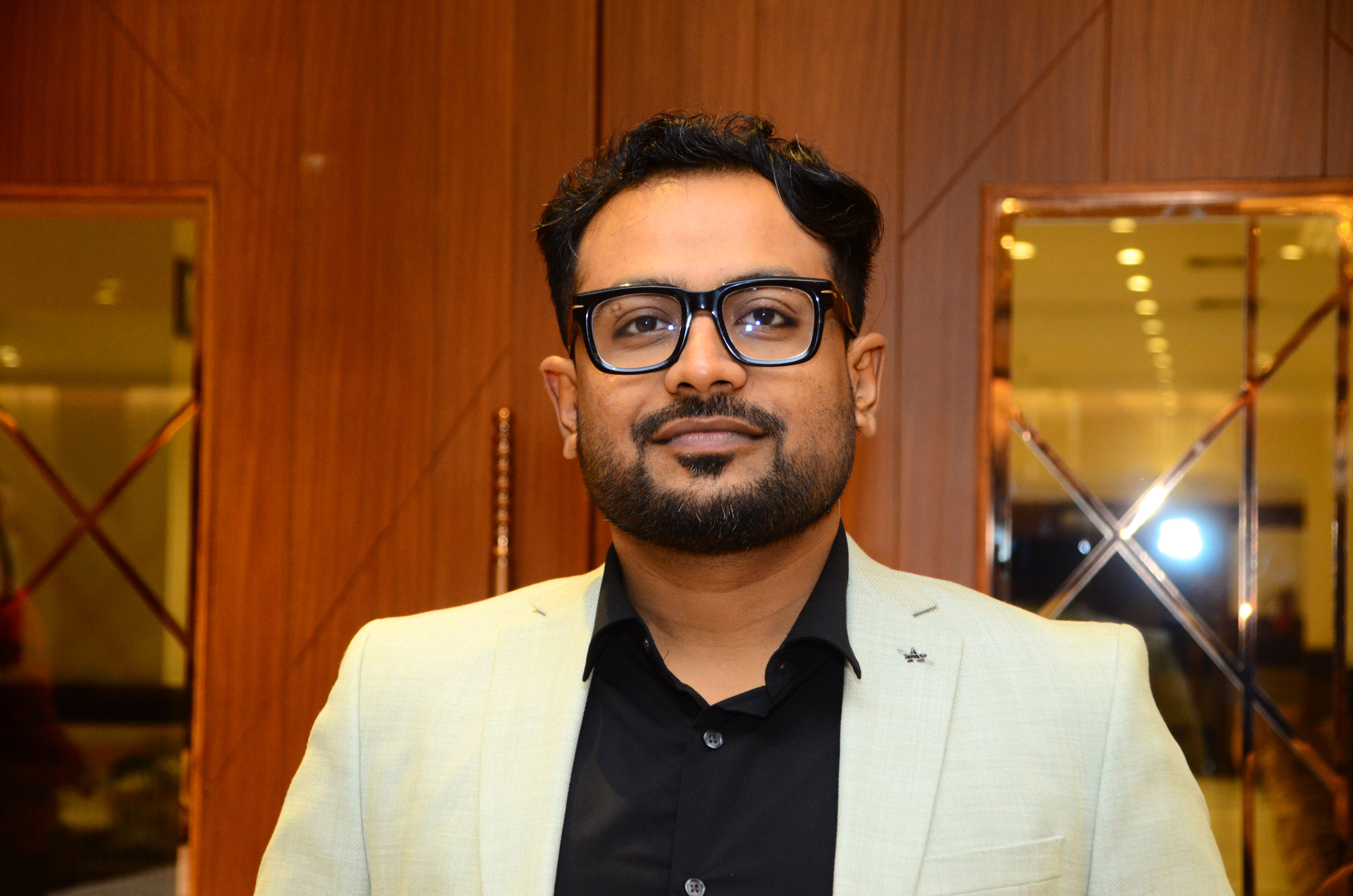
Written by Dr. Nikhil Singh
Anaesthesia, MBBS, MD
Last reviewed: 24 August 2026
Medical Disclaimer
The content provided on Zospital is for general informational and educational purposes only. It is not intended as a substitute for professional medical advice, diagnosis, or treatment. Always seek the advice of your physician or other qualified healthcare provider with any questions you may have regarding a medical condition. Never disregard professional medical advice or delay in seeking it because of something you have read on this website. If you think you may have a medical emergency, call your doctor or emergency services immediately.
Are you a doctor or run a clinic or hospital?
Patients across India are searching Zospital right now. Get a free profile with reviews, timings and direct WhatsApp bookings.