A Guide to Pregnancy Nutrition and Vitamins in India
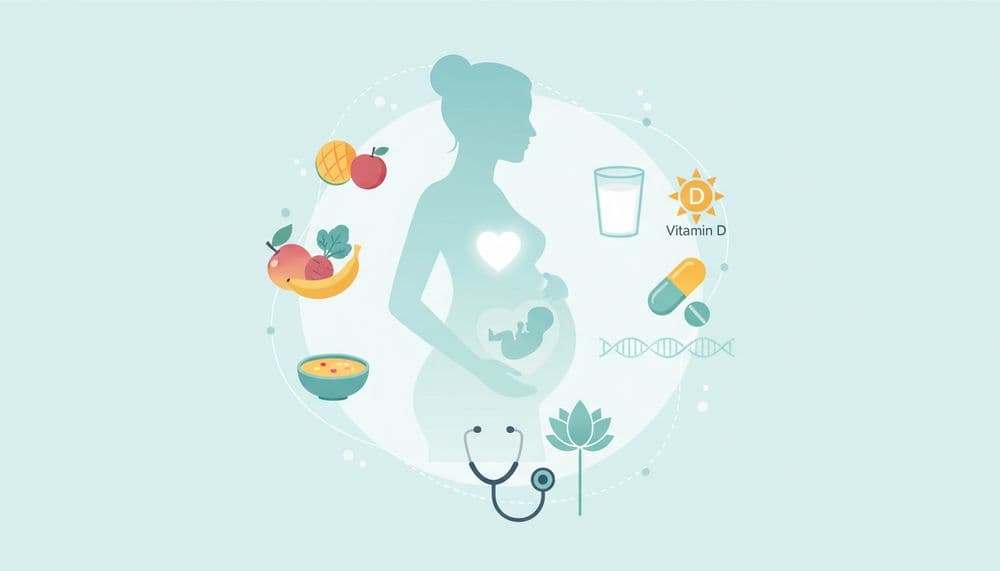
More in Gynecologist Guides
Medically reviewed by Dr Aparna Khandelia, Obs & Gynae Surgeon, MBBS, MS
Last reviewed: 9 Aug 2026 · How we review health content
You're pregnant! And suddenly, it seems everyone from your mother-in-law to the neighbourhood aunty has the same advice: 'Now you have to eat for two!' It’s said with love, of course, but this common saying is one of the biggest myths in pregnancy nutrition. It suggests you need to double your food intake, which simply isn't true. What you really need to do is double your nutrition quality. It's not about eating more; it's about eating better.
Why Your Diet Matters More Than Ever
It's completely normal to feel a little overwhelmed by all the advice you're getting. Let's quiet the noise and focus on what's happening inside your body. The food you eat is the literal building block for your baby. Every dal, roti, and sabzi contributes to a tiny miracle.
- Baby's Development: The nutrients you consume directly fuel your baby's brain, bones, organs, and tissues. Good pregnancy nutrition is linked to healthy birth weight and reduced risk of certain birth defects.
- Your Own Health: A well-balanced diet gives you the energy to handle the demands of pregnancy. It helps prevent common issues like anaemia (low iron), which is very prevalent in India, and keeps your bones strong. It can also help manage pregnancy symptoms like fatigue and morning sickness.
- Reducing Complications: What you eat can influence your risk for complications like gestational diabetes (high blood sugar during pregnancy) and pre-eclampsia (high blood pressure). A thoughtful diet is a powerful tool for a smoother pregnancy.
So, let's shift the focus from 'eating for two' to 'nourishing for two'. Quality over quantity is the mantra.
Decoding Prenatal Vitamins: Your Doctor's Prescription
come in. Think of them as a safety net. Your doctor will likely prescribe a few key supplements.
- Folic Acid: This is non-negotiable. Folic acid is essential, especially in the first 12 weeks, for preventing serious birth defects of the baby's brain and spine, known as neural tube defects. In fact, it's recommended that you start taking it as soon as you plan to conceive. The Indian Council of Medical Research (ICMR) has clear guidelines on this because it’s so important.
- Iron: During pregnancy, your blood volume increases by almost 50% to support your baby. Iron is needed to make more haemoglobin, the protein that carries oxygen in your blood. Many Indian women are already anaemic before pregnancy, making iron supplements a necessity to prevent extreme fatigue, weakness, and complications for both you and the baby.
- Calcium & Vitamin D: These two work together. Calcium is the building block for your baby’s bones and teeth. If you don't get enough from your diet, your body will take it from your own bones, putting you at risk later. Vitamin D helps your body absorb that calcium. Here in North India, despite the ample sunshine, deficiency can still occur, especially if you spend a lot of time indoors.
- DHA (Docosahexaenoic acid): This is an omega-3 fatty acid that is a major structural component of the baby’s brain and eyes. While your body can make some, your doctor might recommend a supplement, especially if you don't eat fish regularly.
Never self-prescribe vitamins. Your doctor will assess your specific needs and recommend the right dosage for you.
Building Your Ideal Indian Pregnancy Thali
Forget complicated diet charts. The easiest way to ensure a balanced meal is to visualize your thali.
Picture your plate: Fill half of it with vegetables, a quarter with protein, and the final quarter with carbohydrates.
- The Veggie Half: This is for fibre, vitamins, and minerals. Load it up with seasonal vegetables. In the hot Varanasi summers, this could be lauki, tori, bhindi, and cucumber. In winter, enjoy the abundance of leafy greens like palak, methi, and sarson ka saag. Don't forget salads!
- The Protein Quarter: Protein is essential for tissue growth. This quarter should have a katori of dal (like arhar, moong, masoor), chickpeas, rajma, paneer, tofu, eggs, or chicken. A mix of different dals throughout the week is a great idea.
- The Carb Quarter: This is your energy source. One or two rotis (preferably whole wheat or multigrain), a small bowl of brown rice, or millets like jowar or bajra fit perfectly here. In UP, some people enjoy sattu, which is a fantastic source of both protein and complex carbs.
And what about hydration? In our climate, it's so important. Aim for 8-10 glasses of water daily. You can supplement this with coconut water, fresh lime water (nimbu pani), buttermilk (chhaach), and thin soups. Cut back on sugary drinks and excessive chai or coffee.
Indian Pregnancy Diet Myths vs. Facts
In a joint family, you’re likely to be showered with well-meaning advice passed down through generations. Let's separate fact from fiction.
- Myth: You must avoid papaya and pineapple completely.
- Fact: The concern stems from unripe or semi-ripe papaya, which contains a substance called latex that can potentially trigger uterine contractions. However, a small portion of fully ripe papaya is generally considered safe and is a good source of vitamins. Pineapple contains bromelain, which is also thought to cause contractions, but you would need to eat a huge quantity for it to have any effect. The best approach? Eat in moderation and if you're worried, simply discuss it with your gynaecologist.
- Myth: Drinking saffron (kesar) milk will make the baby fair.
- Fact: A baby's skin colour is determined purely by genetics from the parents. Saffron has absolutely no effect on complexion. It does have antioxidants, but it's also 'warming' in nature, so it should be used in very small quantities—just a strand or two in a glass of milk is enough.
- Myth: Eating a lot of ghee ensures a smooth, easy delivery.
- Fact: This is a very common belief. Ghee is a healthy fat and is good for you in moderation (about 1-2 teaspoons a day). However, consuming excessive amounts won't 'lubricate' the birth canal. It will only lead to unnecessary weight gain, which can increase the risk of complications like having a large baby or needing a C-section. I once had a patient, Priya, from a joint family here in Varanasi. Her mother-in-law insisted on adding several spoons of ghee to every meal. Priya's weight gain became a concern. We had a gentle conversation with her and her family, explaining that a healthy baby comes from balanced nutrition, not excess calories. They agreed to moderate the ghee, and Priya went on to have a healthy pregnancy.
- Myth: You must eat whatever you crave.
- Fact: Cravings are real! Hormonal changes can do strange things to your taste buds. It's okay to indulge occasionally. If you're craving something sweet, try a piece of fruit or a date first. If you want something savoury, try a handful of roasted chana instead of a packet of chips. Listen to your body, but guide it towards nutritious choices.
Food Safety: What to Be Cautious With
Your immune system is naturally a bit suppressed during pregnancy, making you more vulnerable to foodborne illnesses. This is a time to be extra careful.
- Street Food: I know how tempting the golgappe, dahi vadas, and tamatar chaat in our city can be. But the risk of water-borne diseases like typhoid, cholera, and diarrhoea from contaminated water or unhygienic handling is very high. It's best to avoid them or prepare them at home where you control the hygiene.
- Dairy Products: Always use boiled milk. When buying paneer or other dairy products, make sure they are from a reputable source and made from pasteurized milk to avoid bacteria like listeria.
- Meats and Eggs: No half-fried eggs or rare-cooked kebabs. All meat, poultry, and eggs must be cooked thoroughly until steaming hot to kill any harmful bacteria like salmonella.
- Washing Produce: Wash all fruits and vegetables thoroughly under running water before cutting or eating them. This removes dirt, pesticides, and germs from the surface.
- Fish: While fish is a good source of protein and DHA, some larger sea fish contain high levels of mercury, which can harm a developing baby's nervous system. Small, local freshwater fish are generally safer options. It is always a good idea to discuss fish consumption with your healthcare provider.
When to Consult a Healthcare Provider
Your body will give you signals. It's important to listen to them and not hesitate to reach out to your doctor. Don't just rely on advice from friends or the internet. Call your doctor if:
- You're experiencing severe nausea and vomiting (hyperemesis gravidarum). If you can't keep any food or even water down for a day, you need medical help to prevent dehydration and nutrient loss.
- You have unusual cravings for non-food items like soil, chalk, ice, or clay. This is a condition called pica, and it often signals a severe iron or other nutrient deficiency.
- You're worried about your weight. Gaining too little or too much weight can both pose risks. Your doctor will track your weight and guide you accordingly.
- You're considering taking any new supplement, herbal remedy, or 'kadha', even if it's labeled 'natural'. Some herbs can be harmful during pregnancy. Always get a green light from your doctor first.
Pregnancy is a time of great change, and it's okay to have questions and concerns. That's what your doctor is for—to be your partner and guide.
Key Takeaways
- Prioritize Quality, Not Quantity: Ditch the 'eating for two' mindset. Instead, focus on 'nourishing for two' by building your meals using the half-plate veggies, quarter-protein, quarter-carbs model.
- Don't Skip Your Supplements: Your prescribed prenatal vitamins, especially folic acid and iron, are your safety net. Take them as advised by your doctor to prevent common deficiencies and support your baby's development.
- Be a Food Safety Expert: Be extra cautious with hygiene. Avoid street food, ensure milk is boiled and meats are fully cooked, and wash all produce thoroughly.
- Navigate Advice Wisely: Listen to traditional wisdom from elders with respect, but always verify it with your gynaecologist. Your doctor's advice is based on medical evidence tailored to your health.
- Hydrate, Hydrate, Hydrate: Especially in the heat of Uttar Pradesh, drink plenty of water, nimbu pani, and chhaach to stay hydrated and support your increased blood volume.
Medical Disclaimer
The information provided in this article is for general informational and educational purposes only. It is not intended as a substitute for professional medical advice, diagnosis, or treatment. Always seek the advice of your physician or other qualified healthcare provider with any questions you may have regarding a medical condition. Never disregard professional medical advice or delay in seeking it because of something you have read in this article.
Related reading
Top Gynecologist doctors in Lucknow on Zospital
Explore professional profiles and available appointment options.
- Book appointment

Dr. Richa Gangwar
Gynecologist
Lucknow
Verified•4.9 - Book appointment

Dr. Anjana Jain
Gynecologist
Lucknow
4.9 - Book appointment

Dr. Peeyusha Wadhwani Rajani
Gynecologist
Lucknow
4.9 - Book appointment

Dr. Rita Das
Gynecologist
Lucknow
4.5 - Book appointment

Dr. Asha Mishra
Gynecologist
Lucknow
4.9 - Book appointment

Dr. Zakia Rahman
Gynecologist
Lucknow
5
Have More Questions?
Find quick answers to common questions about our services, appointments, and patient care.
Yes, a well-planned vegetarian or vegan diet can be perfectly healthy during pregnancy. You'll need to pay special attention to getting enough iron, protein, and Vitamin B12, which can be managed with careful food choices and supplements as advised by your doctor.
It's generally advised to be very cautious with street food due to the risk of water-borne illnesses and food poisoning. If you have a strong craving, it's safer to prepare it at home where you can control the hygiene and ingredients.
Yes, it is highly recommended. Many crucial developments happen in the first few weeks of pregnancy, often before you even know you're pregnant. Taking folic acid beforehand helps build up stores in your body to protect the baby from the very beginning.
You should aim for about 2.5 to 3 litres of fluids per day, which is roughly 10-12 glasses. This includes water, milk, juices, and soups. Staying hydrated is important for forming amniotic fluid, carrying nutrients, and preventing constipation.

“Your Partner in Health, From Adolescence to Motherhood & Beyond.”
Dr Aparna Khandelia
Obs & Gynae Surgeon, MBBS, MS
Private hospitals in Lucknow on Zospital
Prefer a private option? These hospitals in Lucknow list their doctors and take bookings.
- Paarth Eye Hospital & Retina Centre
- Urmila Devi Memorial Hospital- Child Specialist Hospital in Lucknow | Pediatrician hospital
- SPARSH CHILDREN'S HOSPITAL & VACCINATION CENTER | Child Hospital in Raebareli Road Lucknow | Dr. Akhilesh Pandey |
Related Articles
Pregnancy Me Ultrasound Kab-Kab Hota Hai? Level-2 Scan Kya Hai
Pregnancy me kitne ultrasound hote hain, Level-2 (anomaly) scan kya check karta hai, aur kab karwana chahiye — aasan bhasha me jankari.

NRIs: Accessing Indian Online Pharmacies and Prescription Delivery Abroad
The combination of high healthcare costs abroad and the need for specific Indian medicines has made the international delivery of pharmaceuticals a vital
Preventive Health Screenings in India for NRIs
For Non-Resident Indians (NRIs), managing health while living abroad is a priority, but so is caring for one's health during visits to India.

Written by Dr Aparna Khandelia
Obs & Gynae Surgeon, MBBS, MS
Last reviewed: 9 August 2026
Medical Disclaimer
The content provided on Zospital is for general informational and educational purposes only. It is not intended as a substitute for professional medical advice, diagnosis, or treatment. Always seek the advice of your physician or other qualified healthcare provider with any questions you may have regarding a medical condition. Never disregard professional medical advice or delay in seeking it because of something you have read on this website. If you think you may have a medical emergency, call your doctor or emergency services immediately.
Are you a doctor or run a clinic or hospital?
Patients across India are searching Zospital right now. Get a free profile with reviews, timings and direct WhatsApp bookings.