C-Section vs Normal Delivery: A Guide for Indian Parents
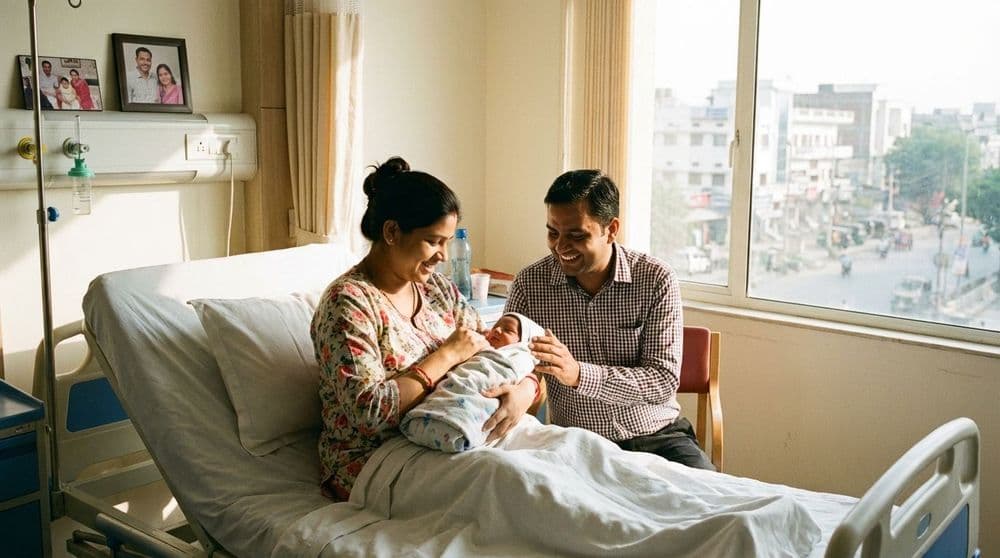
Medically reviewed by Dr Aparna Khandelia, Obs & Gynae Surgeon, MBBS, MS
Last reviewed: 3 Aug 2026
Welcoming a child is one of life's most profound experiences, and for many expectant parents in North India, a big question looms: should it be a C-section vs normal delivery? This decision is deeply personal and depends on various medical and personal factors. The goal isn't to find a 'better' method, but the *safest* one for both mother and child. This guide will walk you through the key aspects of both procedures to help you have a more informed discussion with your doctor.
Understanding Normal Delivery (Vaginal Birth)
Normal or vaginal delivery is the body's natural way of giving birth. It's the process of the baby being born through the birth canal. For generations, this has been the most common method of childbirth, and for good reason. For pregnancies without any medical complications, healthcare professionals worldwide, including in India, generally recommend a vaginal birth.
Normal Delivery Ya C-Section — Kaise Tay Hota Hai?
Normal delivery hogi ya operation (C-section), yeh maa aur bacche ki sehat, bacche ki position aur pregnancy ke dauran hui jaanchon par nirbhar karta hai. Yeh faisla hamesha doctor ke saath milkar lena chahiye. Dono ke fayde, recovery ka samay aur kharch ka fark — neeche English me vistar se diya gaya hai.
Benefits of Normal Delivery
- Faster Recovery: One of the most significant advantages is the quicker recovery time. As noted by medical experts, mothers who have a normal delivery often have a faster hospital discharge, typically within 24–48 hours. This means getting back home to your family and familiar comforts sooner.
- Shorter Hospital Stay: A shorter stay naturally translates to lower medical bills, a considerable factor for many families.
- Lower Risk of Infection: Since it's not a major abdominal surgery, the risk of post-delivery infection is generally lower compared to a C-section.
- Benefits for the Baby: During a vaginal birth, the baby is exposed to beneficial bacteria in the birth canal, which can help strengthen their immune system. The process also helps clear fluid from the baby's lungs.
- Quicker Bonding: Mothers are often able to hold their baby and initiate breastfeeding sooner after a normal delivery.
Potential Challenges of Normal Delivery
It's also important to acknowledge the challenges. Labour can be long and physically demanding. There is a risk of perineal tearing, and the exact timing of the delivery is unpredictable, which can be a source of anxiety for some.
Understanding Delivery (C-Section)
A Cesarean section, or C-section, is a surgical procedure where the baby is delivered through an incision made in the mother's abdomen and uterus. It's a major surgery that has become increasingly common and safe. A C-section can be planned (elective) or performed as an emergency procedure when unexpected complications arise during labour.
When is a C-Section the Safer Choice?
While a normal delivery is often preferred, a C-section is a crucial, life-saving intervention in certain situations. According to medical guidelines, a C-section is safer and advisable when risks are present. These situations include:
- Pre-existing Medical Conditions: Mothers with conditions like high blood pressure (), , or certain infections may be advised to have a C-section to ensure a safer outcome.
- Fetal Position: If the baby is in a breech (feet-first) or transverse (sideways) position, a C-section is often the safest delivery method.
- Emergencies During Labour: Situations like prolonged labour, where the delivery is not progressing, or fetal distress (when the baby is not getting enough oxygen) necessitate an emergency C-section.
- Placenta Issues: Conditions like placenta previa (where the placenta blocks the cervix) make a vaginal delivery impossible.
Risks and Recovery from a C-Section
As a major surgery, a C-section carries risks such as infection, blood clots, and a longer recovery period. The hospital stay is extended, and the cost is generally higher. Post-surgery, mothers need to be careful, avoiding heavy lifting and strenuous activity for several weeks. The support of one's `parivar` (family) and proper nutrition with `ghar ka khana` (home-cooked food) become even more vital during this extended recovery phase.
C-Section vs Normal Delivery: Making Your Decision
The choice between a C-section and a normal delivery is not one to be made alone. It is a critical conversation to have with your gynecologist. In cities like Lucknow, Delhi, or Varanasi, access to experienced obstetricians and well-equipped hospitals is key to ensuring a safe delivery, regardless of the method.
Here's a breakdown of the deciding factors:
- Your Health: Your overall health and any pre-existing conditions are the most important consideration.
- Your Baby's Health: The baby's size, position, and well-being in the womb play a huge role.
- Your Doctor's Recommendation: Your doctor has the expertise to assess all medical factors and recommend the safest path forward. As Nanavati Max Super Speciality Hospital advises, "The better way to decide is to consult with your obstetrician."
- Your Personal Preferences: While medical necessity is paramount, your feelings and preferences should also be part of the discussion with your doctor.
Ultimately, a healthy mother and a healthy baby are the only things that matter. Whether your journey involves a normal delivery or a C-section, it is a powerful and valid way to bring your child into the world. Trust in your body, your doctors, and your support system.
Experiencing persistent symptoms? Consult Dr. Richa Gangwar, a leading Gynaecologist in your area. Book Appointment
Related reading
Written by
Top Gynecologist doctors in Lucknow on Zospital
Verified specialists you can book in minutes.
- Book appointment
Dr. Richa Gangwar
Gynecologist
Lucknow
4.9 - Book appointment
Dr. Roli Purwar
Gynecologist
Gorakhpur
- Book appointment

Dr. Mamta Singh
Gynaecologist
Patna
4.9 - Book appointment
Dr. Khushbu Tewary
Gynaecologist
Patna
4.9 - Book appointment

Dr. Kumari Namita
Gynaecologist
Patna
4.8 - Book appointment
Dr. Megha Sarakshi Chadha
Gynaecologist
Patna
4.9
Have More Questions?
Find quick answers to common questions about our services, appointments, and patient care.
The decision depends on your medical situation. A C-section is often advisable for mothers with pre-existing conditions like hypertension or diabetes, or in emergencies like prolonged labor or fetal distress. For uncomplicated pregnancies, a normal delivery is typically recommended.
For a healthy, uncomplicated pregnancy, a normal (vaginal) delivery is generally considered the best and safest option, often leading to a quicker recovery. However, a C-section becomes the safer and better choice when specific medical risks are present for the mother or baby.
In most cases, a natural or vaginal birth is safer. However, a C-section is a very common and safe surgical procedure that may be the better delivery method for both parent and baby depending on the specific medical circumstances of the pregnancy.
Not always. While a vaginal delivery is the most common and often recommended route for childbirth, a C-section is a life-saving medical procedure for both mother and baby in high-risk situations or when complications arise. The 'best' delivery is the one that is safest for your specific situation.

“Your Partner in Health, From Adolescence to Motherhood & Beyond.”
Dr Aparna Khandelia
Obs & Gynae Surgeon, MBBS, MS
Related Articles
Heart Bypass (CABG) Surgery Cost in India: A Typical Price Guide
A practical guide to typical coronary artery bypass (CABG) costs in private hospitals in India and what drives the price.
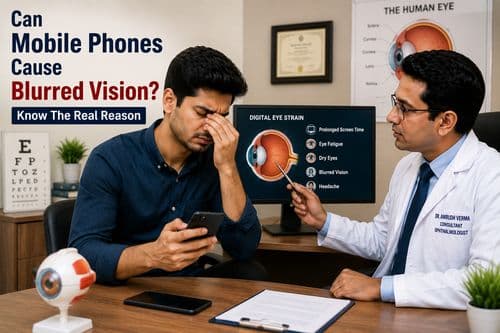
Can Mobile Phones Cause Blurred Vision? Understanding the Link Between Screen Use and Eye Strain
Prolonged smartphone use may contribute to temporary blurred vision due to digital eye strain and focusing fatigue. Learn the causes, symptoms, and prevention tips.
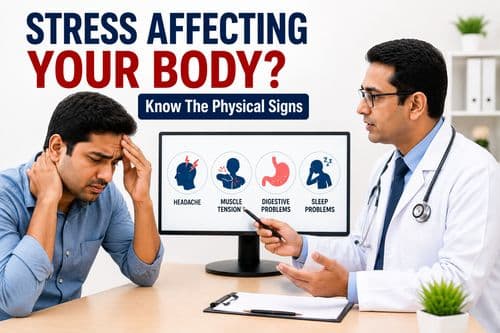
Can Stress Cause Physical Symptoms in the Body?
Stress affects more than just the mind. It can cause headaches, muscle tension, fatigue, digestive problems, sleep disturbances, and other physical symptoms. Learn how stress impacts the body and when to seek help.

Written by Dr Aparna Khandelia
Obs & Gynae Surgeon, MBBS, MS
Last reviewed: 3 August 2026
Medical Disclaimer
The content provided on Zospital is for general informational and educational purposes only. It is not intended as a substitute for professional medical advice, diagnosis, or treatment. Always seek the advice of your physician or other qualified healthcare provider with any questions you may have regarding a medical condition. Never disregard professional medical advice or delay in seeking it because of something you have read on this website. If you think you may have a medical emergency, call your doctor or emergency services immediately.
Are you a doctor or run a clinic or hospital?
Patients across India are searching Zospital right now. Get a free profile with reviews, timings and direct WhatsApp bookings.