Kidney Stones: Causes, Symptoms and Prevention

Medically reviewed by Dr. Nikhil Singh, Anaesthesia, MBBS, MD
Last reviewed: 25 Aug 2026 · How we review health content
Kidney stones are hard mineral deposits that form in the kidneys. Small stones may pass on their own, while larger ones can cause severe pain and may need a procedure to remove or break them up.
Common Symptoms
- Severe pain in the side, back or lower abdomen
- Pain that comes in waves
- Blood in the urine
- Nausea and vomiting
- A frequent urge to urinate
Treatment Options
- Plenty of fluids and pain relief for small stones
- ESWL (shock wave lithotripsy) to break up stones
- PCNL or ureteroscopy for larger stones
How to Lower Your Risk
- Drink enough water through the day
- Reduce excess salt
- Moderate intake of stone-forming foods as advised
- Follow your doctor’s advice if you have had stones before
Frequently Asked Questions
How are large kidney stones removed?
Common options include ESWL (shock waves to break the stone) and PCNL (keyhole removal). A urologist chooses based on the stone size and location.
How can I prevent kidney stones?
Staying well hydrated is the single most helpful step, along with reducing excess salt and following any specific dietary advice from your doctor.
Related
Medical Disclaimer
The information provided in this article is for general informational and educational purposes only. It is not intended as a substitute for professional medical advice, diagnosis, or treatment. Always seek the advice of your physician or other qualified healthcare provider with any questions you may have regarding a medical condition. Never disregard professional medical advice or delay in seeking it because of something you have read in this article.
Related reading
Top Anesthesiologist doctors in Gorakhpur on Zospital
Explore professional profiles and available appointment options.
- Book appointment

Dr Karanvir Singh Sidhu
Anesthesiologist
Lucknow
Verified•4.8 - Book appointment
Aveline Pascual Jerome, MD
Anesthesiologist
Ajmer
5 - Book appointment
Dr. Vivek Kumar Sharma - Laser & Advanced Laparoscopy Surgeon In Ajmer
Anesthesiologist
Ajmer
4.7 - Book appointment
Dr.Jay M. Panchal
Anesthesiologist
Ahmedabad
5 - Book appointment
Amit T. Darnule, MD
Anesthesiologist
Agra
4.9 - Book appointment
Dr Rajat Arora
Anesthesiologist
Agra
Have More Questions?
Find quick answers to common questions about our services, appointments, and patient care.
Common options include ESWL (shock waves to break the stone) and PCNL (keyhole removal). A urologist chooses based on the stone size and location.
Staying well hydrated is the single most helpful step, along with reducing excess salt and following any specific dietary advice from your doctor.

“Your Health, Our Priority. Your Voice, Our Guide”
Dr. Nikhil Singh
Anaesthesia, MBBS, MD
Private hospitals in Gorakhpur on Zospital
Prefer a private option? These hospitals in Gorakhpur list their doctors and take bookings.
- Shankar Eye and Maternity Clinic- Best eye hospital | Best eye surgeon | Eye and Maternity clinic in Gorakhpur
- Trimurti Hospital - Dr. Sanjeev kumar Singh
- Shakuntala Hospital
Related Articles

Kidney Transplant Cost in India: A Typical Price Guide
A practical guide to typical kidney transplant costs in private hospitals in India and the ongoing medication cost.
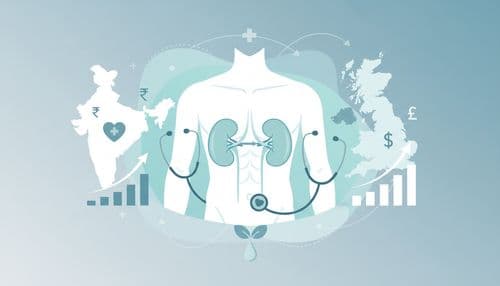
Kidney Transplant Cost in India vs. USA/UK: A Guide for NRIs
Comparing kidney transplant costs in India (from $6,000) vs the US ($442k) & UK ($82k+). A guide for NRIs on regulations, donor laws, and post-op expenses.

Kidwai Memorial Institute of Oncology, Bengaluru: Appointment and Cost Guide
Find information on booking OPD appointments, timings, treatment costs, and accepted government schemes like Ayushman Bharat at Kidwai Memorial Institute of Oncology.
Written by Dr. Nikhil Singh
Anaesthesia, MBBS, MD
Last reviewed: 25 August 2026
Medical Disclaimer
The content provided on Zospital is for general informational and educational purposes only. It is not intended as a substitute for professional medical advice, diagnosis, or treatment. Always seek the advice of your physician or other qualified healthcare provider with any questions you may have regarding a medical condition. Never disregard professional medical advice or delay in seeking it because of something you have read on this website. If you think you may have a medical emergency, call your doctor or emergency services immediately.
Are you a doctor or run a clinic or hospital?
Patients across India are searching Zospital right now. Get a free profile with reviews, timings and direct WhatsApp bookings.