Healthy Ageing in North India: Navigating Key Challenges
Medically reviewed by Dr. Nikhil Singh, Anaesthesia, MBBS, MD
Last reviewed: 24 Aug 2026 · How we review health content
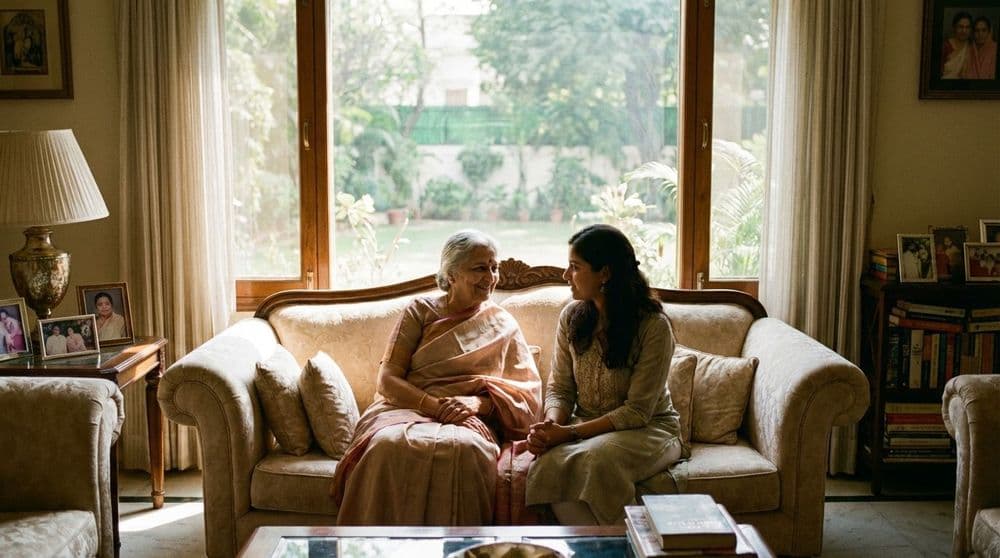
India is undergoing a significant demographic shift. Thanks to better nutrition and healthcare, people are living longer, more fulfilling lives. According to the World Health Organization (WHO), India had 104 million people aged 60 and above in 2011, and this number is projected to grow to over 20% of the population by 2050. While this longevity is a testament to our progress, it also brings forth unique health challenges for elderly in India, creating a pressing need for a robust support system for our respected elders, or 'buzurgs'.
This is particularly true in North India, where cultural norms, weather patterns, and urban-rural divides create a specific set of circumstances. From the bustling streets of Delhi to the historic lanes of Lucknow, ensuring the well-being of our senior citizens requires understanding their multifaceted challenges.
The Shifting Landscape of Elderly Healthcare in India
The traditional joint family system, long the bedrock of elderly care, is evolving. With urbanization and the rise of nuclear families, many seniors find themselves living alone. This social shift has profound implications for their health and well-being. The National Institutes of Health (NIH) points out that there is a 'feminization of the elderly population', meaning women often outlive men, and may face unique vulnerabilities related to social support and financial security.
The core challenge lies in managing a complex health burden. Unlike acute illnesses, the health issues facing seniors are often chronic, requiring long-term management, consistent care, and significant financial resources.
Major Health Challenges for Our Elders (Buzurg)
Navigating old age gracefully involves being aware of and proactively managing potential health concerns. Here are some of the most prominent issues faced by the elderly population in North India.
The Rise of Chronic Non-Communicable Diseases (NCDs)
As noted by the Annals of Geriatric Education and Medical Sciences, older adults in India face a high prevalence of chronic NCDs. These are long-term conditions that are not contagious and are often linked to lifestyle factors.
- Hypertension (High Blood Pressure): A silent condition that can lead to severe heart problems and stroke if left unmanaged. Regular monitoring is crucial.
- Diabetes: High blood sugar levels can damage nerves, eyes, kidneys, and other organs. Managing diet and medication is essential, moving beyond just avoiding sweets to a scientifically planned nutritional intake.
- Cardiac Illnesses: Heart disease remains a leading cause of mortality. Issues like coronary artery disease and heart failure require specialized care and lifestyle adjustments.
- Cancer: The risk of developing certain cancers increases with age, making regular screenings and early detection vital.
Managing these conditions requires not just medical intervention but a holistic approach involving diet, gentle exercise, and stress management.
Mobility and Musculoskeletal Issues
With age, bones and joints naturally weaken, leading to a host of mobility problems that can severely impact quality of life.
- Arthritis: Inflammation of the joints, causing pain and stiffness. The cold, damp winters in North India can often exacerbate these symptoms, making daily activities difficult.
- Osteoporosis: A condition where bones become brittle and fragile, increasing the risk of fractures from even minor falls.
- Falls: A major concern for the elderly, falls can lead to serious injuries, hospitalization, and a loss of independence. Making the home environment safer by removing tripping hazards and installing grab bars is a simple but effective preventive measure.
Mental and Neurological Well-being
Health is not just physical; it's mental and emotional too. Social isolation is a significant challenge for many seniors, leading to loneliness, depression, and anxiety. The stigma around mental health can prevent many from seeking the help they need.
Furthermore, age-related neurological conditions like Dementia and Alzheimer's require specialized, compassionate care. These conditions affect memory, thinking, and behaviour, placing a heavy emotional and physical toll on both the individual and their family caregivers.
Social and Economic Hurdles to Healthy Ageing
Beyond specific diseases, broader societal factors play a critical role in the health outcomes of our elderly population.
Financial Insecurity and Healthcare Access
Many seniors in India face financial insecurity, with low literacy levels and high economic dependency on their children. The rising cost of healthcare, from doctor consultations to long-term medication, puts a significant strain on family finances. Accessing quality healthcare can be a challenge, especially for those in rural areas far from specialized hospitals found in cities like Lucknow, Varanasi, or Delhi. Even in urban centers, navigating complex hospital systems can be daunting for an elderly person.
The Digital Divide
The world is rapidly moving online, and healthcare is no exception. While telemedicine and digital health records offer convenience, they also create a 'digital divide'. Many senior citizens are not comfortable with smartphones or computers, making it difficult for them to book appointments, access their reports, or consult with doctors online. This technological barrier can lead to them being left behind, unable to access the care they need.
A Path Forward: Ensuring a Dignified Life for Seniors
Addressing these challenges requires a concerted effort from families, communities, and the healthcare system.
- Embrace Preventive Care: Regular health check-ups are non-negotiable. Proactive screening can catch issues like high blood pressure, diabetes, and cancer early, when they are most manageable.
- Focus on Nutrition and Lifestyle: A balanced diet, rich in essential nutrients, is the foundation of good health. Simple 'ghar ka khana' can be incredibly nourishing. Gentle physical activity, like a daily walk, can do wonders for both physical and mental health.
- Create a Safe Home Environment: Simple modifications at home can drastically reduce the risk of falls and injuries. Ensure good lighting, non-slip flooring, and clutter-free pathways.
- Foster Social Connections: The most powerful medicine can be companionship. Encouraging social interaction, whether with family, friends, or community groups, is vital to combat loneliness and depression.
Caring for our elders is a reflection of our values as a society. By understanding their challenges and acting with empathy and foresight, we can help them lead lives of dignity, health, and happiness.
Experiencing persistent symptoms? Consult Dr. Neeraj Singh, a leading Pain & Rehabilitation Specialist in your area. Book Appointment
Related reading
Top Anesthesiologist doctors in Gorakhpur on Zospital
Explore professional profiles and available appointment options.
- Book appointment
Dr Karanvir Singh Sidhu
Anesthesiologist
Lucknow
Verified•4.8 - Book appointment
Aveline Pascual Jerome, MD
Anesthesiologist
Ajmer
5 - Book appointment
Dr. Vivek Kumar Sharma - Laser & Advanced Laparoscopy Surgeon In Ajmer
Anesthesiologist
Ajmer
4.7 - Book appointment
Dr.Jay M. Panchal
Anesthesiologist
Ahmedabad
5 - Book appointment
Amit T. Darnule, MD
Anesthesiologist
Agra
4.9 - Book appointment
Dr Rajat Arora
Anesthesiologist
Agra
Have More Questions?
Find quick answers to common questions about our services, appointments, and patient care.
The primary health challenges include a high prevalence of chronic non-communicable diseases (NCDs) like hypertension, diabetes, and heart disease, as well as mobility issues, mental health concerns like social isolation, and nutritional deficiencies.
The cold and damp winters in North India can significantly worsen musculoskeletal conditions like arthritis, causing increased pain and stiffness. It can also increase the risk of respiratory illnesses.
Many elderly individuals have limited savings and are economically dependent on their families. The rising cost of healthcare and long-term medication for chronic illnesses can place a heavy financial burden on them and their caregivers.
The 'digital divide' refers to the gap between those who have access to and can use modern technology and those who cannot. Many seniors are not comfortable with smartphones or computers, which can prevent them from accessing online doctor consultations, booking appointments, or viewing their health records.

“Your Health, Our Priority. Your Voice, Our Guide”
Dr. Nikhil Singh
Anaesthesia, MBBS, MD
Private hospitals in Gorakhpur on Zospital
Prefer a private option? These hospitals in Gorakhpur list their doctors and take bookings.
- Shankar Eye and Maternity Clinic- Best eye hospital | Best eye surgeon | Eye and Maternity clinic in Gorakhpur
- Trimurti Hospital - Dr. Sanjeev kumar Singh
- Shakuntala Hospital
Related Articles
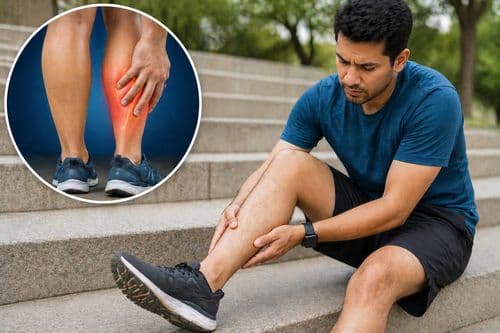
Heavy Legs After Walking: Causes, Symptoms and Relief
Feeling heaviness in the legs after walking may be linked to fatigue, circulation issues, or vein-related concerns. Learn possible causes, relief tips, and when to seek medical advice.
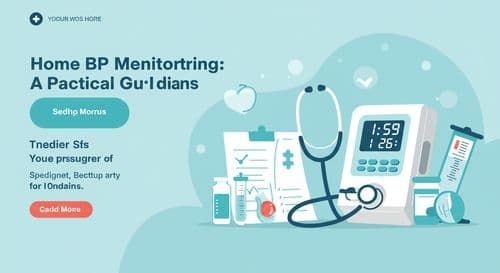
Home BP Monitoring: A Practical Guide for Indians
Learn why and how to correctly monitor your blood pressure at home. This guide offers practical steps for accurate readings and managing your health effectively in India.
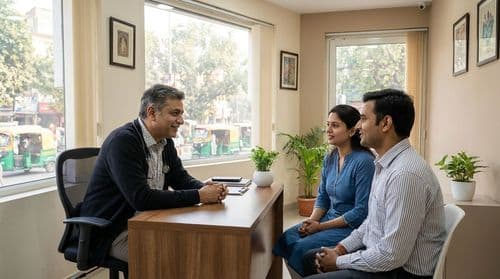
How to Choose the Right Doctor in India: A Guide
Choosing a doctor is a critical health decision. This comprehensive guide provides a step-by-step checklist for patients in North India to find a trusted healthcare provider.
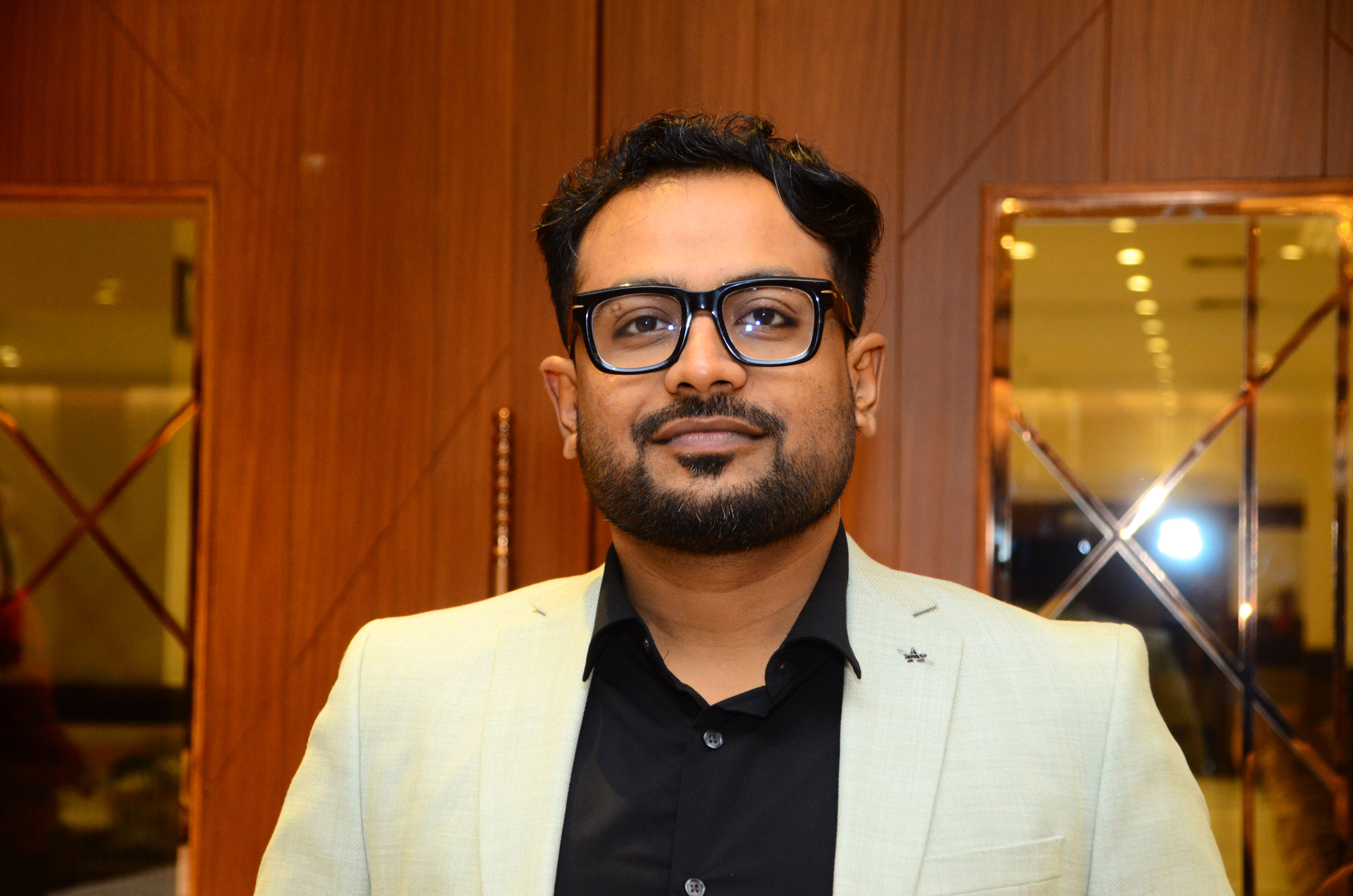
Written by Dr. Nikhil Singh
Anaesthesia, MBBS, MD
Last reviewed: 24 August 2026
Medical Disclaimer
The content provided on Zospital is for general informational and educational purposes only. It is not intended as a substitute for professional medical advice, diagnosis, or treatment. Always seek the advice of your physician or other qualified healthcare provider with any questions you may have regarding a medical condition. Never disregard professional medical advice or delay in seeking it because of something you have read on this website. If you think you may have a medical emergency, call your doctor or emergency services immediately.
Are you a doctor or run a clinic or hospital?
Patients across India are searching Zospital right now. Get a free profile with reviews, timings and direct WhatsApp bookings.