How to Choose the Right Doctor in India: A Guide
Medically reviewed by Dr. Nikhil Singh, Anaesthesia, MBBS, MD
Last reviewed: 24 Aug 2026
Finding a healthcare provider you can trust is one of the most important decisions you'll make for yourself and your 'parivaar' (family). In bustling North Indian cities like Delhi or Lucknow, the sheer number of options can feel overwhelming. This guide will provide you with a practical checklist to help you choose the right doctor, ensuring you receive the best possible care.
Your relationship with your doctor is a partnership. A good doctor doesn't just treat illnesses; they listen, educate, and empower you to take charge of your health. This is why making an informed choice is not a luxury, but a necessity for long-term well-being.
Why Your Choice of Doctor Matters More Than You Think
Choosing a doctor isn't just about finding someone to write prescriptions. It's about establishing a long-term relationship built on trust and mutual respect. A good doctor becomes your health advocate, guiding you through routine check-ups, unexpected illnesses, and chronic condition management. They understand your medical history, your lifestyle, and your family's health patterns, which allows for more personalized and effective care. This continuity is crucial for preventive care and catching potential issues early, saving you from the stress and expense of more serious problems down the line.
Your Checklist: How to Choose the Right Doctor in North India
Navigating the healthcare landscape requires a structured approach. Use these steps as your guide to find a doctor who is not only qualified but also the right fit for you.
Step 1: Identify Your Health Priorities
Before you begin your search, understand your needs. Are you looking for a doctor for routine check-ups and common ailments like seasonal flu or stomach issues? A General Physician is your ideal starting point. They are trained to handle a wide range of health problems and can refer you to a specialist if needed. If you have a specific, ongoing condition like heart disease, diabetes, or a skin issue, you might need to directly consult a specialist like a Cardiologist, Diabetologist, or Dermatologist.
Step 2: Research Their Credentials and Experience
Once you have a list of potential doctors, it's time to do your homework. As noted by healthcare platforms like, every doctor in India must be registered with the Indian Medical Council (IMC) or a state medical council. You should verify their qualifications.
- Degrees: Look for basic degrees like MBBS, followed by specializations like MD (Doctor of Medicine) or MS (Master of Surgery).
- Experience: How many years has the doctor been practicing in their field? While experience isn't everything, a seasoned doctor has likely seen a wider variety of cases.
- Hospital Affiliations: Check which hospitals the doctor is associated with. A doctor affiliated with a reputable hospital in your city is often a good sign.
Step 3: Seek 'Bharosa' (Trust) Through Recommendations
Word-of-mouth is still a powerful tool in India. Ask for recommendations from family, friends, and colleagues you trust. Their personal experiences can provide insights you won't find online. You can also look at online reviews on various platforms, but read them with a critical eye. Look for consistent patterns in feedback regarding the doctor's communication style, wait times, and treatment effectiveness rather than focusing on a single negative or positive review.
Step 4: Evaluate Communication Style and Comfort
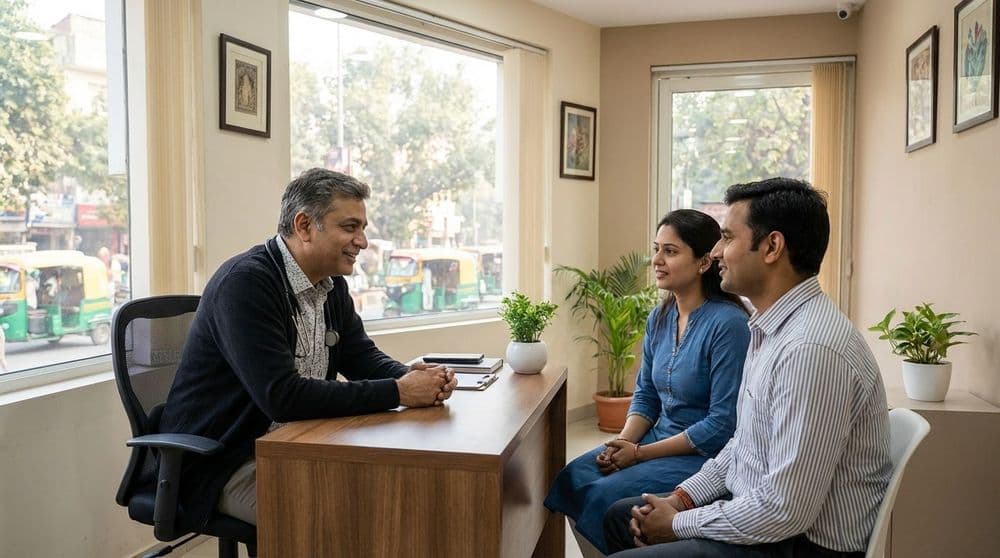
This is perhaps the most crucial step. A good doctor listens attentively, explains complex medical terms in simple language, and never makes you feel rushed. During your first consultation, pay attention to how they interact with you.
- Do they listen to your concerns without interrupting?
- Do they answer your questions patiently?
- Do they involve you in the decision-making process about your treatment?
You should feel like a partner in your own healthcare. If you leave an appointment feeling confused, unheard, or intimidated, that doctor is probably not the right fit for you.
Step 5: Consider the Practical Logistics
Even the best doctor isn't helpful if you can't access them when you need to. Consider the practical aspects:
- Location: How far is the clinic from your home or office? In cities with heavy traffic, a conveniently located clinic is a major advantage.
- Clinic Hours: Do their timings work with your schedule?
- Appointment Process: Is it easy to book an appointment? How long do you typically have to wait?
- Emergency Availability: What is the protocol for after-hours emergencies?
Step 6: Trust Your Gut Feeling
After your first visit, take a moment to reflect. How did you feel during the appointment? Did you feel comfortable and respected? Sometimes, your intuition is the best guide. Your health is deeply personal, and it's essential to find a doctor with whom you can build a lasting, trusting relationship. Taking the time to choose the right doctor is an investment in your future health and peace of mind.
Experiencing persistent symptoms or need a reliable health check-up? Consult Dr. Numan Uz Zaman Khan, a leading General Physician in your area. Book Appointment
Related reading
Written by
Top Anesthesiologist doctors in Lucknow on Zospital
Verified specialists you can book in minutes.
- Book appointment

Dr. Sanni Deyol Gautam
Anesthesiologist
Lucknow
4.8 - Book appointment

Dr Karanvir Singh Sidhu
Anesthesiologist
Lucknow
4.8 - Book appointment

Dr Harpreet Kaur
Anesthesiologist
Lucknow
4.8 - Book appointment

Dr. Akshat Trivedi
Anesthesiologist
Lucknow
4.5 - Book appointment
Aveline Pascual Jerome, MD
Anesthesiologist
Ajmer
5 - Book appointment
Dr. Vivek Kumar Sharma - Laser & Advanced Laparoscopy Surgeon In Ajmer
Anesthesiologist
Ajmer
4.7
Have More Questions?
Find quick answers to common questions about our services, appointments, and patient care.
A good doctor is identified by their ability to listen well, communicate clearly, and show empathy. They involve you in decisions, have strong credentials, and make you feel like a trusted partner in your healthcare journey.
A '7-Star Doctor' is a concept by the World Health Organization (WHO) describing an ideal physician. They are not just care providers but also decision-makers, communicators, community leaders, managers, researchers, and lifelong learners, representing a holistic approach to medicine.

“Your Health, Our Priority. Your Voice, Our Guide”
Dr. Nikhil Singh
Anaesthesia, MBBS, MD
Private hospitals in Lucknow on Zospital
Prefer a private option? These hospitals in Lucknow list their doctors and take bookings.
- Paarth Eye Hospital & Retina Centre
- Urmila Devi Memorial Hospital- Child Specialist Hospital in Lucknow | Pediatrician hospital
- SPARSH CHILDREN'S HOSPITAL & VACCINATION CENTER | Child Hospital in Raebareli Road Lucknow | Dr. Akhilesh Pandey |
Related Articles

Indian Diet After Surgery: What to Eat for Fast Recovery
Discover the ultimate North Indian food guide for post-surgery recovery. Learn which desi foods like khichdi and dal can help you heal faster and what to avoid.
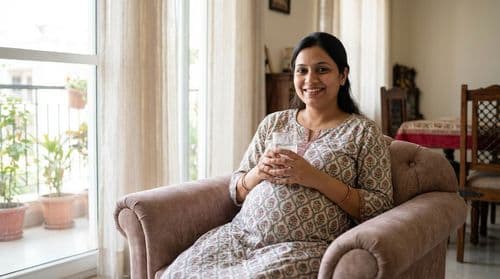
High BP in Pregnancy: A Guide for North Indian Moms
A comprehensive guide for expecting mothers in North India on understanding and managing high blood pressure during pregnancy through diet, lifestyle, and medical care.
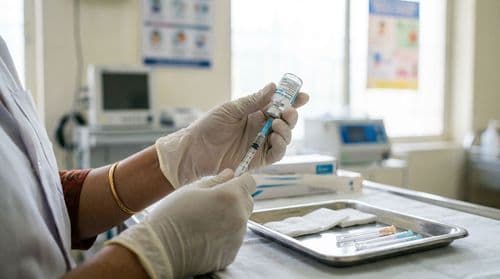
Measles Cases Rise in North India: A Guide for Parents
Health officials have issued an advisory as measles (Khasra) cases see a concerning rise across North India. This guide helps parents understand symptoms and the crucial role of vaccination.
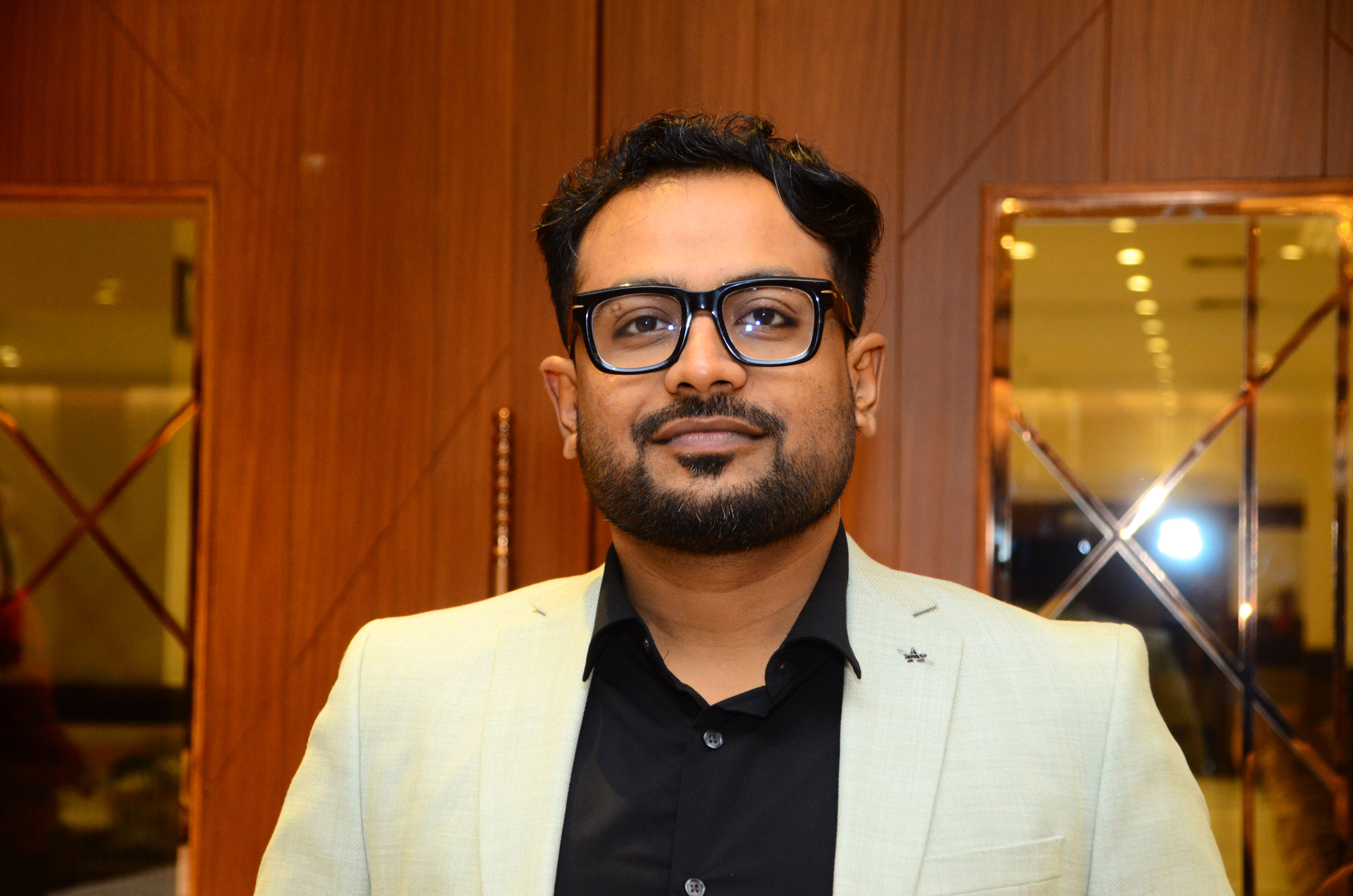
Written by Dr. Nikhil Singh
Anaesthesia, MBBS, MD
Last reviewed: 24 August 2026
Medical Disclaimer
The content provided on Zospital is for general informational and educational purposes only. It is not intended as a substitute for professional medical advice, diagnosis, or treatment. Always seek the advice of your physician or other qualified healthcare provider with any questions you may have regarding a medical condition. Never disregard professional medical advice or delay in seeking it because of something you have read on this website. If you think you may have a medical emergency, call your doctor or emergency services immediately.
Are you a doctor or run a clinic or hospital?
Patients across India are searching Zospital right now. Get a free profile with reviews, timings and direct WhatsApp bookings.