Enlarged Prostate (BPH): Symptoms, Causes and Treatment

Medically reviewed by Dr. Nikhil Singh, Anaesthesia, MBBS, MD
Last reviewed: 25 Aug 2026 · How we review health content
Benign prostatic hyperplasia (BPH), or an enlarged prostate, is a common non-cancerous condition in older men. As the prostate grows, it can press on the urethra and cause urinary symptoms.
Common Symptoms
- A frequent or urgent need to urinate, especially at night
- A weak urine stream or difficulty starting
- Dribbling at the end of urination
- A feeling the bladder is not fully empty
Treatment Options
Treatment depends on how much the symptoms affect daily life and ranges from monitoring to medication to surgery such as TURP. A urologist will guide the choice.
- Lifestyle measures and monitoring for mild cases
- Medication to relax or shrink the prostate
- Surgery such as TURP (transurethral resection of the prostate) for significant symptoms
Frequently Asked Questions
Is an enlarged prostate the same as prostate cancer?
No. BPH is a non-cancerous enlargement. However, some symptoms can overlap, so a doctor should evaluate urinary changes.
When is surgery needed for BPH?
When symptoms are significant or do not respond to medication. TURP is a common procedure for this.
Related
Medical Disclaimer
The information provided in this article is for general informational and educational purposes only. It is not intended as a substitute for professional medical advice, diagnosis, or treatment. Always seek the advice of your physician or other qualified healthcare provider with any questions you may have regarding a medical condition. Never disregard professional medical advice or delay in seeking it because of something you have read in this article.
Related reading
- Anemia: Causes, Symptoms and Treatment
- Health Conditions Guide: Symptoms, Causes and Treatment
- Vitamin D Deficiency: Symptoms, Causes and Treatment
Top Anesthesiologist doctors in Gorakhpur on Zospital
Explore professional profiles and available appointment options.
- Book appointment

Dr Karanvir Singh Sidhu
Anesthesiologist
Lucknow
Verified•4.8 - Book appointment
Aveline Pascual Jerome, MD
Anesthesiologist
Ajmer
5 - Book appointment
Dr. Vivek Kumar Sharma - Laser & Advanced Laparoscopy Surgeon In Ajmer
Anesthesiologist
Ajmer
4.7 - Book appointment
Dr.Jay M. Panchal
Anesthesiologist
Ahmedabad
5 - Book appointment
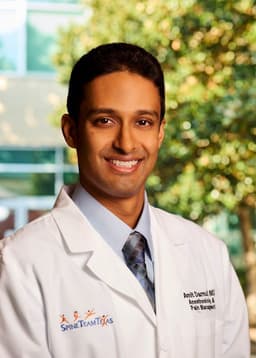
Amit T. Darnule, MD
Anesthesiologist
Agra
4.9 - Book appointment
Dr Rajat Arora
Anesthesiologist
Agra
Have More Questions?
Find quick answers to common questions about our services, appointments, and patient care.
No. BPH is a non-cancerous enlargement. However, some symptoms can overlap, so a doctor should evaluate urinary changes.
When symptoms are significant or do not respond to medication. TURP is a common procedure for this.

“Your Health, Our Priority. Your Voice, Our Guide”
Dr. Nikhil Singh
Anaesthesia, MBBS, MD
Private hospitals in Gorakhpur on Zospital
Prefer a private option? These hospitals in Gorakhpur list their doctors and take bookings.
- Shankar Eye and Maternity Clinic- Best eye hospital | Best eye surgeon | Eye and Maternity clinic in Gorakhpur
- Trimurti Hospital - Dr. Sanjeev kumar Singh
- Shakuntala Hospital
Related Articles

ENT: Ear, Nose & Throat Care Guide
Learn about otolaryngology, the medical specialty for the ear, nose, and throat. This guide covers common ENT issues and when to see a specialist.
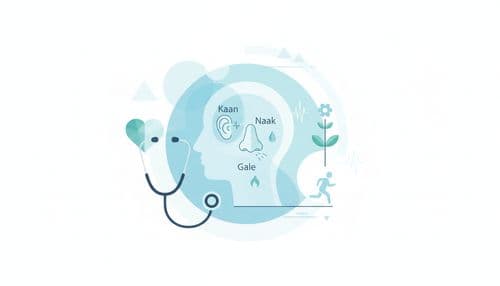
Kaan, Naak, Gale Ki Problem? ENT Doctor in Lucknow — Kab Dikhayein
Kaan dard, naak band, gale me kharash ya sunne me dikkat — ENT doctor ko kab dikhana chahiye, kaunse tests hote hain aur Lucknow me ilaj ki jankari.

ENT Specialist in Lucknow
Finding the right ENT Specialist in Lucknow is easier with Zospital. Whether you need treatment for ear pain, hearing problems, sinus issues, nasal blockage, throat infections, snoring or other ENT concerns, Zospital helps you explore suitable specialists near your location. Patients can check doctor profiles, ratings, reviews, consultation locations and available appointment details before booking. The platform currently lists multiple ENT specialists in Lucknow, including Dr. Karan Bhatia, Dr. Jigisa Tripathy, Dr. Y. P. Singh, Dr. Salman Khan, Dr. Bhanu Pratap Singh and Dr. Ityagi. Search for an ENT specialist near me on Zospital and choose a convenient consultation option.
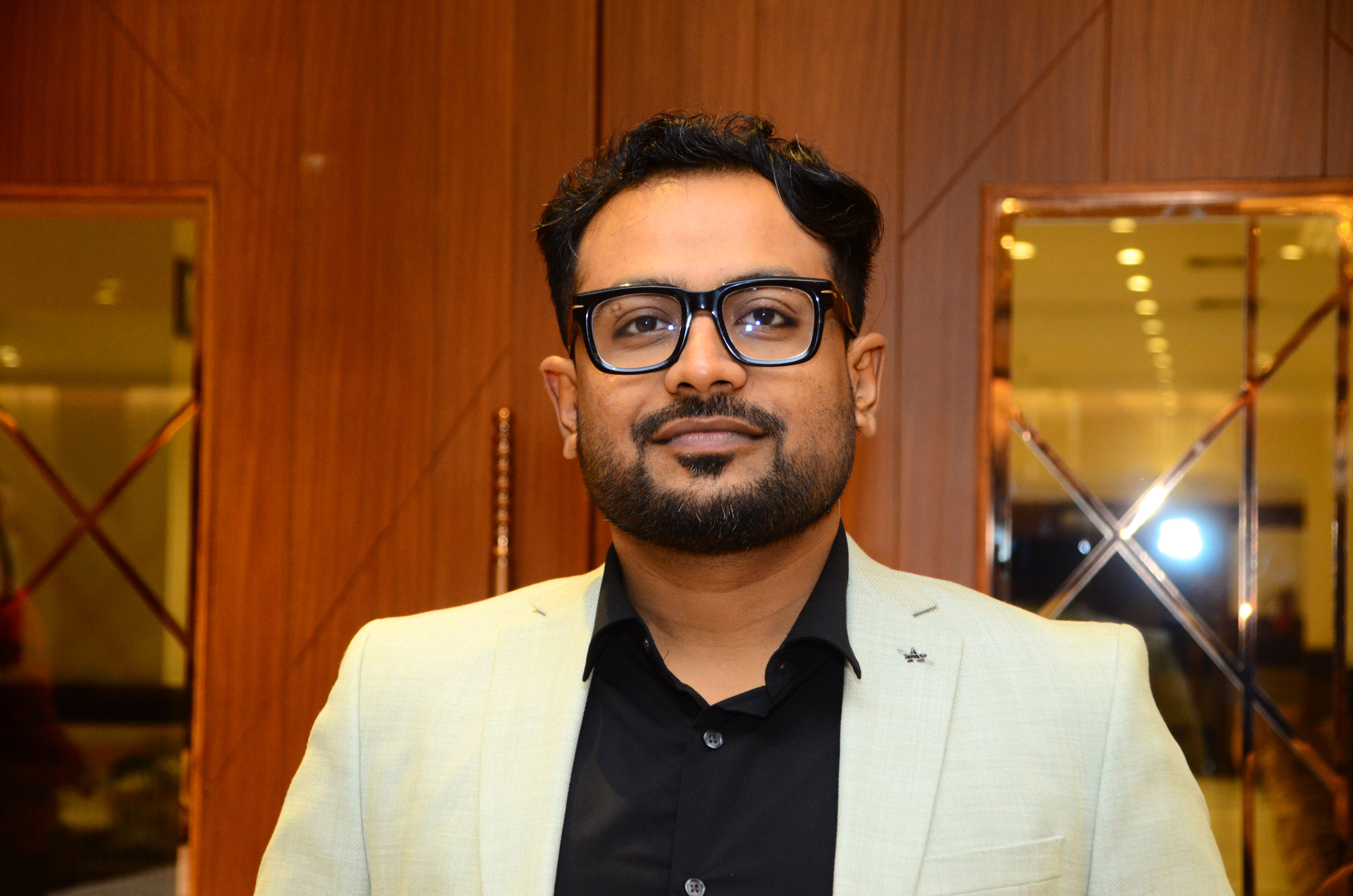
Written by Dr. Nikhil Singh
Anaesthesia, MBBS, MD
Last reviewed: 25 August 2026
Medical Disclaimer
The content provided on Zospital is for general informational and educational purposes only. It is not intended as a substitute for professional medical advice, diagnosis, or treatment. Always seek the advice of your physician or other qualified healthcare provider with any questions you may have regarding a medical condition. Never disregard professional medical advice or delay in seeking it because of something you have read on this website. If you think you may have a medical emergency, call your doctor or emergency services immediately.
Are you a doctor or run a clinic or hospital?
Patients across India are searching Zospital right now. Get a free profile with reviews, timings and direct WhatsApp bookings.