Drug Addiction Treatment Costs

Medically reviewed by Dr.Nikhil Singh, Anaesthesia, MBBS, MD
Last reviewed: 16 Aug 2026
A Comprehensive Guide to Drug Addiction and Rehabilitation Treatment Costs in India
For Indian Patients and NRI Expats
Making the decision to seek help for drug addiction is a courageous first step on the path to recovery. For many, this crucial decision is immediately followed by practical questions about treatment options, effectiveness, and, most significantly, the financial investment required. The landscape of rehabilitation in India is vast and varied, making it difficult to navigate without a clear understanding of what is available.
This guide is designed to provide a transparent, practical, and comprehensive overview of drug addiction treatment and rehabilitation costs in India. It is intended for Indian patients, their families, and Non-Resident Indian (NRI) expats seeking high-quality care. The information is presented to be practical and informative, without making specific medical claims, in adherence with the National Medical Commission (NMC) guidelines.
The Landscape of Rehabilitation in India: What Are Your Options?
Rehabilitation centres in India can be broadly categorized into three tiers, each offering a different level of care, amenities, and pricing.
- Government-Run and NGO-Supported Centres: These facilities are the most accessible, offering free or heavily subsidised treatment. They are often part of government hospitals or run by non-governmental organizations with state funding. While they provide essential services, they typically have high patient volumes, basic dormitory-style accommodations, and longer waiting lists.
- Mid-Tier Private Rehabilitation Centres: This is the largest and most varied category, catering to middle and upper-middle-class families. These centres offer a significant step up in terms of personal attention, comfortable accommodations (semi-private or private rooms), and a broader range of therapeutic options.
- Luxury and Executive Rehabilitation Centres: Positioned at the premium end, these centres provide the highest level of privacy, comfort, and personalised care. They often resemble resorts, with a strong focus on individualised therapy, gourmet nutrition, holistic wellness, and amenities tailored for professionals, executives, or those seeking absolute confidentiality.
The Cost of Rehabilitation: A Detailed Breakdown
Asking "How much does rehab cost?" is a complex question because the price is influenced by numerous factors. Understanding these variables is key to comparing facilities based on value, not just price.
Key Factors Influencing Rehab Costs:
- Type of Programme (Inpatient vs. Outpatient): Inpatient or residential programmes are more expensive as they include accommodation, meals, 24/7 medical supervision, and a full schedule of therapeutic activities. Outpatient programmes allow the individual to live at home and attend sessions, making them a more affordable option.
- Duration of Stay: Programmes are commonly offered in 30, 60, or 90-day blocks. While shorter programmes have a lower total cost, longer stays often have a lower per-day cost and are associated with better long-term recovery outcomes.
- Level of Medical and Clinical Care: The most resource-intensive phase of treatment is often the initial medical detoxification. Centres equipped to handle complex withdrawal symptoms or a "dual diagnosis" (a co-occurring mental health condition like depression or anxiety alongside addiction) will have higher costs due to the need for specialised psychiatric and medical staff.
- Staff-to-Patient Ratio: A lower staff-to-patient ratio allows for more individualised attention and therapy, which is a significant driver of cost and quality.
- Accommodation and Amenities: The type of accommodation—ranging from a shared dormitory to a private luxury suite—is one of the biggest factors creating price differences.
- Location: Centres in major metropolitan (Tier 1) cities like Mumbai and Delhi are generally more expensive than those in smaller towns (Tier 2).
Cost Tables for Rehabilitation in India
The following tables provide estimated cost ranges. These are indicative and can vary significantly between facilities and cities.
Table 1: Estimated Monthly Cost of Inpatient Rehabilitation in India
Type of Centre — Estimated Monthly Cost (INR) — What's Typically Included
Government / NGO-Supported — Free – ₹30,000 — Dormitory accommodation, basic meals, group counselling, medically supervised detox, 12-step programmes.
Mid-Tier Private — ₹50,000 – ₹1,50,000 — Shared or private rooms, more varied meals, individual therapy sessions, group therapy, family counselling, holistic activities (yoga, meditation).
Luxury / Executive Private — ₹2,00,000 – ₹6,00,000+ — Private suites, gourmet nutrition, intensive one-on-one therapy, highly qualified staff, specialised therapies (e.g., trauma-informed care, art therapy), premium amenities (pool, gym), and high degree of privacy.
Table 2: Estimated Cost of Outpatient Programmes in India
Programme Type — Estimated Cost Range (INR) — Description
Basic Outpatient Programme — ₹25,000+ (for a full course) — Includes initial assessment, weekly or bi-weekly counselling sessions, and psychiatric consultation. Suitable for mild cases or as a follow-up to inpatient care.
Intensive Outpatient Programme (IOP) — ₹40,000 – ₹80,000+ (per month) — A more structured programme requiring several hours of therapy on multiple days per week. It offers a higher level of support while allowing the individual to reside at home.
Long-Term Recovery Programmes (6-12 Months)
For individuals with severe, long-standing addiction or a history of chronic relapse, long-term programmes are often recommended. These programmes typically last 6 to 12 months. The cost is usually an extension of the monthly inpatient rate, although the per-day cost may decrease over the extended duration. These programmes focus on deep-seated behavioural change, life skills development, and gradual reintegration into society.
The Journey of Recovery: Understanding Timelines
Recovery is a personal journey that unfolds in stages. While the timeline varies for each individual, understanding the typical phases and treatment durations can help set realistic expectations.
The Five Stages of Addiction Recovery
Most recovery models are based on the Transtheoretical Model of Change, which includes the following stages:
- Precontemplation: The individual does not yet see their substance use as a problem.
- Contemplation: There is an emerging awareness that a problem exists, but the person is not yet committed to action.
- Preparation: The individual decides to change and begins to plan concrete steps, such as researching rehab centres.
- Action: The person actively engages in treatment, stops using the substance, and learns new coping skills.
- Maintenance: This long-term stage involves sustaining sobriety and actively working to prevent relapse.
Typical Treatment Durations
- Medical Detox (5-10 Days): This is the first step, where the body is safely cleared of substances under medical supervision. The duration depends on the substance used and the severity of dependence.
- Short-Term Inpatient (28-30 Days): This common programme length provides an intensive foundation for recovery, focusing on stabilisation and relapse prevention basics.
- Standard Inpatient (60-90 Days): Research consistently shows that longer treatment durations produce better outcomes. The U.S. National Institute on Drug Abuse (NIDA) recommends a minimum of 90 days for effective treatment, as this allows sufficient time for behavioural restructuring and skill development.
- Long-Term Residential (6-12+ Months): Best suited for individuals with severe addiction, co-occurring mental health disorders, or multiple relapses, this extended care allows for profound healing and life skills development.
Choosing the Right Rehabilitation Centre: A Practical Checklist
Selecting a rehab facility is a critical healthcare decision. Look beyond glossy brochures and focus on the quality of clinical care. Use this checklist to ask the right questions.
✅ Accreditation and Licensing: Is the centre licensed by the state's Mental Health Authority or accredited by the National Accreditation Board for Hospitals & Healthcare Providers (NABH)? This ensures they meet required standards of care.
✅ Clinical Team and Staff Qualifications: Ask about the credentials of the clinical team. Look for qualified psychiatrists, clinical psychologists, and certified addiction counsellors. What is the therapist-to-client ratio? A lower ratio means more personal attention.
✅ Treatment Philosophy and Modalities: Do they use evidence-based therapies like Cognitive Behavioural Therapy (CBT), Dialectical Behaviour Therapy (DBT), or Motivational Interviewing? Do they offer a 12-Step programme, and is it mandatory? Do they provide holistic therapies like yoga, meditation, or art therapy?
✅ Personalised Treatment Plans: A quality centre will conduct a thorough initial assessment and create a customised treatment plan rather than using a one-size-fits-all approach.
✅ Dual Diagnosis Capability: If there is a co-occurring mental health condition like depression, anxiety, or bipolar disorder, it is crucial that the centre is equipped to treat both the addiction and the mental health issue simultaneously.
✅ Family Involvement: Addiction impacts the entire family. Does the centre offer family therapy and education to help heal relationships and build a strong support system?
✅ Aftercare and Relapse Prevention: Recovery doesn't end upon discharge. A robust aftercare plan is essential for long-term success. Ask about follow-up counselling, alumni support groups
Written by
Top Anesthesiologist doctors in Lucknow on Zospital
Verified specialists you can book in minutes.
- Book appointment

Dr. Sanni Deyol Gautam
Anesthesiologist
Lucknow
4.8 - Book appointment

Dr Karanvir Singh Sidhu
Anesthesiologist
Lucknow
4.8 - Book appointment

Dr Harpreet Kaur
Anesthesiologist
Lucknow
4.8 - Book appointment

Dr. Akshat Trivedi
Anesthesiologist
Lucknow
4.5 - Book appointment
Dr. Praful Srivastava
Anesthesiologist
4.8 - Book appointment

Dr. Mohd. Ruheel Khan
Anesthesiologist
Faizabad

“Your Health, Our Priority. Your Voice, Our Guide”
Dr.Nikhil Singh
Anaesthesia, MBBS, MD
Private hospitals in Lucknow on Zospital
Prefer a private option? These hospitals in Lucknow list their doctors and take bookings.
See all hospitals in LucknowRelated Articles

Early Signs of Cervical Spondylosis You Should Not Ignore
Cervical spondylosis is a common age-related condition affecting the neck. Early signs are often mild but should not be ignored.
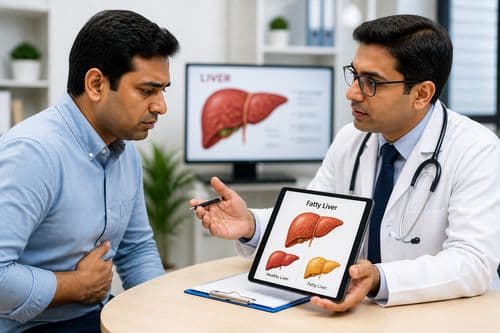
Early Signs of Fatty Liver Disease You Should Not Ignore
Fatty liver disease often develops silently. Identifying early signs can help prevent serious liver damage and improve overall health.
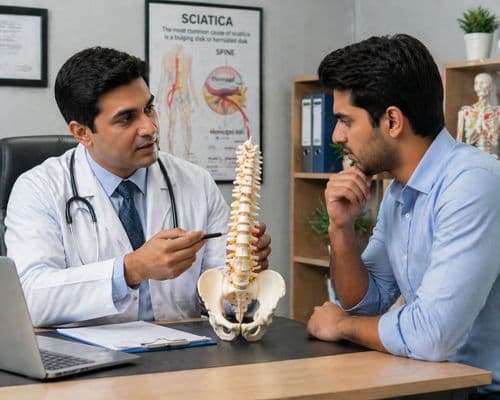
Early Signs of Sciatica: Symptoms You Should Not Ignore
Sciatica is a condition that occurs when the sciatic nerve gets irritated or compressed. It often starts with mild discomfort but can gradually become severe if not treated on time. Recognizing the early signs of sciatica can help you take timely action and avoid complications.
Written by Dr.Nikhil Singh
Anaesthesia, MBBS, MD
Last reviewed: 16 August 2026
Medical Disclaimer
The content provided on Zospital is for general informational and educational purposes only. It is not intended as a substitute for professional medical advice, diagnosis, or treatment. Always seek the advice of your physician or other qualified healthcare provider with any questions you may have regarding a medical condition. Never disregard professional medical advice or delay in seeking it because of something you have read on this website. If you think you may have a medical emergency, call your doctor or emergency services immediately.
Are you a doctor or run a clinic or hospital?
Patients across India are searching Zospital right now. Get a free profile with reviews, timings and direct WhatsApp bookings.