First Aid for Kids' Injuries: A Parent's Guide

Medically reviewed by Dr. Shoeb Arif Khan, Dr. Shoeb Arif Khan is an experienced orthopedic doctor in Lucknow offering expert care for bone, joint, and spine conditions. With 18+ years of clinical experience, he specializes in joint replacement, sports injury management, and minimally invasive surgeries for faster recovery and lasting relief.
Last reviewed: 9 Aug 2026 · How we review health content
Meera, a 35-year-old teacher in Lucknow, was in the kitchen preparing dinner when she heard that thud every parent dreads. Her seven-year-old son, Rohan, had slipped on the freshly mopped floor and hit his head. Your heart leaps into your throat in that moment, doesn't it? As a pediatric surgeon, I can tell you that the sight of your child getting hurt is one of the most frightening experiences for a parent. But what you do in those first few seconds and minutes can make all the difference.
That First Scare: Staying Calm When Your Child Gets Hurt
The first and most important thing is for you to stay calm. Your child will look to your face for cues. If you are panicking, their fear and pain will only get worse. Take a deep breath. You've got this. Before you do anything else, run through a quick mental checklist.
I often tell parents to follow a simple 3-step check: Is your child conscious and responding to you? Are they breathing normally? Is there any serious bleeding?
Answering these three questions helps you understand if you're dealing with a minor issue or a true pediatric emergency. This is also why having a basic first-aid kit ready is essential. In every Indian household, amidst the masala dabbas and pressure cookers, there should be a dedicated box with antiseptic liquid, cotton, sterile gauze, a variety of bandages, and medical tape. You don't want to be scrambling for supplies when your child is crying and bleeding.
Cuts and Scrapes: What to Do at Home vs. When to See a Doctor
From falling off a cycle to a paper cut, these are the bread and butter of childhood injuries. For most simple cuts and scrapes, home care is enough.
- First, wash your own hands.
- Next, gently clean the wound. Don't reach for the Dettol right away, as it can sting. The best way is to simply hold the wound under clean, running water and use a mild soap around the edges. This washes away most of the dirt and germs.
- Apply firm but gentle pressure with a clean cloth or gauze to stop any bleeding.
- Once it stops bleeding, apply a thin layer of an antiseptic cream and cover it with a sterile bandage. Change the bandage daily or if it gets wet or dirty.
So, when do you need to bring your child to see a doctor? You should seek medical help if:
- The bleeding doesn't stop after 10-15 minutes of direct pressure.
- The cut is very deep. If you can see yellowish fatty tissue or muscle, it needs stitches. Don't wait.
- The cut is on the face, especially around the eyes or lips, as this may need specialist care to minimize scarring.
- The wound was caused by something very dirty or rusty, like a nail at a construction site or a bite from an animal. Your child might need a tetanus shot or other treatment.
- There's something stuck in the wound, like a piece of glass or a wood splinter that you can't easily remove. Do not try to dig it out yourself. You can cause more damage. This is a situation where you should come to the emergency room.
Bumps and Head Injuries: The Watch-and-Wait Approach
(bruise) appears. In my experience, most of these are minor. The skull is designed to protect the brain, and a little bump usually looks worse than it is.
For a simple bump, the first thing to do is apply a cold compress. A bag of frozen peas or some ice wrapped in a thin towel works well. Apply it to the area for 15 minutes to help reduce swelling. Never apply ice directly to the skin.
. You are looking for any change from your child's normal behaviour. You don't necessarily need to keep them awake all night — that's an old myth. But you can check on them a couple of times during the night to ensure they are breathing normally.
- Any loss of consciousness, even for a few seconds.
- Repeated vomiting. (One time might just be from the shock, but two or more times is a concern).
- Confusion, drowsiness, or not making sense when they talk.
- A headache that gets progressively worse.
- Changes in their vision or pupils of different sizes.
- Any seizure or convulsion (fits).
Handling Burns: From Hot Dal to Steam
. Hold the burned area under cool (not ice-cold) tap water for at least 10-15 minutes. This is longer than you think! This action stops the burning process, cools the skin, and reduces pain.
to do. Please, do not apply things like butter, ghee, toothpaste, ink, or even haldi (turmeric). These are not sterile and can trap heat in the skin, making the burn worse and increasing the risk of a nasty infection. Just cool water.
When should you see a doctor for a burn?
- If the burn is larger than a one-rupee coin.
- If it blisters. Don't pop the blisters yourself.
- If the burn is on the face, hands, feet, joints, or genital area.
- If the burn was caused by a chemical or electricity.
Monsoon Mishaps in UP: Slips, Falls, and Wound Care
Living in Lucknow, we all know how the monsoon changes everything. The air is thick with humidity, and floors—especially marble and tile—become dangerously slippery. This is the season I see more kids with injuries from slips and falls. Beyond that, a simple scrape from playing in a muddy colony park during the rains carries a higher risk of infection.
If your child gets a cut or scrape outdoors during the monsoon, you need to be extra careful with cleaning. The rainwater and mud can carry all sorts of bacteria. A thorough wash with soap and water is very important. After cleaning and applying an antiseptic, keeping the wound dry is key. The high humidity can make healing slower. Use a waterproof bandage if possible, and change the dressing daily, or anytime it gets wet, to prevent a skin infection from developing.
When Your Child Swallows Something: Choking vs. Ingestion
This is an area where I, as a pediatric surgeon, see some of the most serious emergencies. It's crucial to understand the difference between choking and ingestion.
is when an object is stuck in the airway, blocking breathing. The universal sign is that the child can't speak, cry, or cough effectively. They might clutch their throat. This is an immediate, life-threatening emergency that requires quick action like back blows. It's a good idea for all parents to learn these basic life support techniques.
is when a child swallows an object, and it goes down the food pipe into the stomach. Many small, smooth, inert objects like a plastic bead or a fruit seed may pass through the system without any problem. However, some objects are extremely dangerous.
I remember a case of a three-year-old from Gomti Nagar who swallowed a tiny button battery from a remote control. The parents thought it might pass. Within hours, it had created an electrical current and caused a severe burn inside his esophagus. We were able to remove it, but it required multiple procedures. This is not a 'wait and see' situation.
- Button batteries: These are found in watches, toys, and remotes. They can cause a hole in the food pipe in as little as two hours. This is a true pediatric emergency.
- Magnets: Especially if more than one is swallowed. They can attract each other across different loops of the intestine, trapping the tissue and cutting off its blood supply, which is a surgical emergency.
- Sharp objects: Things like open safety pins, needles, or shards of glass can perforate the stomach or intestines.
Even if you're not sure what they swallowed, if your child is drooling excessively, refusing to eat or drink, vomiting, or complaining of chest or tummy pain, you need to get them checked by a doctor right away.
Key Takeaways for Parents
- Your Calm is Their Calm: Before rushing to your child, take one deep breath. Assess the situation calmly: are they conscious, breathing, and not bleeding heavily? Your calm reaction is the first step in their comfort.
- Clean, Press, Cover: For most everyday cuts, this is your simple mantra. Clean the wound with running water, apply pressure to stop bleeding, and cover it with a clean bandage.
- Water is the Only First Step for Burns: For any burn, the immediate action is 10-15 minutes under cool, running water. Do not put haldi, toothpaste, or ghee on it. Ever.
- Watch the Child, Not Just the Bump: After a head injury, the size of the bump is less important than your child's behaviour. Any vomiting, confusion, or excessive sleepiness in the next 24 hours warrants a doctor's visit.
- Batteries and Magnets are Emergencies: If you even suspect your child has swallowed a button battery or magnets, do not wait. This is not a 'let's see' situation; go straight to an emergency department.
- When in Doubt, Check it Out: A parent's intuition is a powerful tool. If something feels wrong or you're just not sure, it is always safer to consult a qualified healthcare provider. It's never a waste of time to ensure your child's safety.
Medical Disclaimer
The information provided in this article is for general informational and educational purposes only. It is not intended as a substitute for professional medical advice, diagnosis, or treatment. Always seek the advice of your physician or other qualified healthcare provider with any questions you may have regarding a medical condition. Never disregard professional medical advice or delay in seeking it because of something you have read in this article.
Related reading
Top Orthopedic Surgeon doctors in Lucknow on Zospital
Explore professional profiles and available appointment options.
- Book appointment

Dr. Sourav Shukla
Orthopedic Surgeon
Lucknow
4.8 - Book appointment
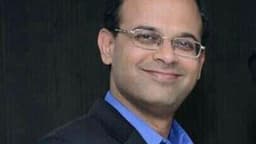
Dr. Prasoon Shamshery
Orthopedic Surgeon
Lucknow
4.9 - Book appointment

Dr. Suffiyan Ahmed
Orthopedic Surgeon
Lucknow
4.9 - Book appointment

Dr. Kamal Kishor Gupta
Orthopedic Surgeon
Lucknow
4.9 - Book appointment

Dr. S K Gupta
Orthopedic Surgeon
Lucknow
4.8 - Book appointment

Dr. Sandeep Kapoor
Orthopedic Surgeon
Lucknow
4.4
Have More Questions?
Find quick answers to common questions about our services, appointments, and patient care.
While turmeric has antiseptic properties, it's not recommended for open wounds. It can introduce contaminants and make it difficult for a doctor to properly assess the cut. It's best to stick to cleaning with soap and water and using a medical-grade antiseptic.
Look for warning signs beyond the bump itself. If your child loses consciousness (even for a second), vomits more than once, seems unusually sleepy or confused, or complains of a worsening headache, seek medical help immediately.
A good kit should include adhesive bandages of various sizes, sterile gauze pads, antiseptic wipes, antiseptic cream, medical tape, scissors, tweezers, a digital thermometer, and a pain reliever/fever reducer suitable for children.
If a child is unwilling to move a limb after a fall, it could be a sign of a fracture or dislocation. Do not try to move it yourself. Keep the arm as still as possible and take your child to an emergency room for an evaluation.
“Senior Orthopaedic Surgeon - MBBS | MS - Ortho”
Dr. Shoeb Arif Khan
Dr. Shoeb Arif Khan is an experienced orthopedic doctor in Lucknow offering expert care for bone, joint, and spine conditions. With 18+ years of clinical experience, he specializes in joint replacement, sports injury management, and minimally invasive surgeries for faster recovery and lasting relief.
Private hospitals in Lucknow on Zospital
Prefer a private option? These hospitals in Lucknow list their doctors and take bookings.
- Paarth Eye Hospital & Retina Centre
- Urmila Devi Memorial Hospital- Child Specialist Hospital in Lucknow | Pediatrician hospital
- SPARSH CHILDREN'S HOSPITAL & VACCINATION CENTER | Child Hospital in Raebareli Road Lucknow | Dr. Akhilesh Pandey |
Related Articles

Baccho Ka Doctor in Gorakhpur: Bukhar, Vaccination aur Care Guide
Bacche ko bukhar, khansi ya dast — doctor ko kab dikhayein? Vaccination ka schedule kya hai? Gorakhpur ke parents ke liye aasan guide.

Childbirth Delivery Costs in India: Factors and Estimates
Learn how childbirth and delivery costs in India vary based on city, facility, and delivery method. Understand financial aspects for expectant parents.

A Parent's Guide to Childhood Asthma in Gorakhpur
Is your child experiencing wheezing or frequent coughing? This guide helps parents in Gorakhpur understand childhood asthma symptoms, local triggers, and management.
Written by Dr. Shoeb Arif Khan
Dr. Shoeb Arif Khan is an experienced orthopedic doctor in Lucknow offering expert care for bone, joint, and spine conditions. With 18+ years of clinical experience, he specializes in joint replacement, sports injury management, and minimally invasive surgeries for faster recovery and lasting relief.
Last reviewed: 9 August 2026
Medical Disclaimer
The content provided on Zospital is for general informational and educational purposes only. It is not intended as a substitute for professional medical advice, diagnosis, or treatment. Always seek the advice of your physician or other qualified healthcare provider with any questions you may have regarding a medical condition. Never disregard professional medical advice or delay in seeking it because of something you have read on this website. If you think you may have a medical emergency, call your doctor or emergency services immediately.
Are you a doctor or run a clinic or hospital?
Patients across India are searching Zospital right now. Get a free profile with reviews, timings and direct WhatsApp bookings.