Postpartum Depression: Signs New Mothers Shouldn't Ignore
More in Gynecologist Guides
Medically reviewed by Dr Aparna Khandelia, Obs & Gynae Surgeon, MBBS, MS
Last reviewed: 9 Aug 2026 · How we review health content
In India, as many as one in five new mothers experience some form of postpartum depression. That's a staggering number for a condition that is so often hidden behind a wall of silence and shame.
Imagine this: A 29-year-old in Lucknow has just had her first baby (bachcha). It's the middle of a humid monsoon season. The family is overjoyed, sweets are being passed around, and everyone says the baby is a perfect picture of health. But the new mother feels a profound emptiness. She looks at her child and feels a strange disconnect, a terrifying blank space where she expected a rush of love. She forces a smile for relatives, but late at night, she cries silently, feeling like a complete failure.
This isn't a rare story. It's a quiet reality in many homes, often dismissed with a casual, "Don't worry, it's just tiredness. Sab theek ho jayega."
This Isn't Just the 'Baby Blues'
Many women experience the 'baby blues' (prasav ke baad udasi) in the first week or two after delivery. You might feel weepy, anxious, and overwhelmed. This is very common and is caused by the massive hormonal shifts your body is going through. These feelings usually fade on their own as you adjust.
But postpartum depression, or PPD, is different. It’s more intense and lasts much longer. It's a serious medical condition that doesn't just 'go away' with a good night's sleep or a cup of chai. It can interfere with your ability to care for your baby and yourself, and it often carries a heavy weight of guilt.
Red Flags: When Sadness Becomes a Concern
So how do you know if what you're feeling is more than the typical new-mom stress? PPD isn't just one single feeling; it's a pattern of symptoms that persists for more than two weeks. Pay attention if you or a loved one experiences several of the following:
These aren't signs of being a 'bad mother'. They are signs of a medical illness that needs attention.
- A persistent feeling of sadness, emptiness, or hopelessness that doesn't lift.
- Crying a lot, often for no apparent reason.
- Losing interest or pleasure in activities you used to enjoy.
- Withdrawing from family and friends.
- Feeling irritable, angry, or resentful.
- Severe anxiety or panic attacks, sometimes focused on the baby's health.
- Extreme fatigue and lack of energy, beyond normal new-parent exhaustion.
- Trouble sleeping (when the baby is sleeping) or sleeping too much.
- Significant changes in appetite—either not eating or eating all the time.
- Thoughts of harming yourself or the baby. These thoughts can be frightening, but it is critical to voice them to a healthcare provider immediately.
Why Does This Happen? It's Not Your Fault
The first thing to understand is that postpartum depression is not a character flaw or a sign of weakness. You didn't do anything to cause this. It's a complication of childbirth, caused by a combination of factors.
After delivery (prasav), your body experiences a dramatic drop in hormones like estrogen and progesterone. This chemical shift can trigger mood changes. Add to that the physical exhaustion of childbirth and recovery, chronic sleep deprivation, and the emotional overwhelm of caring for a newborn. It's a perfect storm.
Experiencing this? Dr Aparna Khandelia (MBBS, MS (Obstetrics & Gynaecology)) treats IVF treatment, normal and cesarean deliveries, high-risk pregnancy management, prenatal and postnatal care, family planning counseling, irregular periods and PCOS treatment, pregnancy ultrasounds at ERA's Lucknow Medical College & Hospital and B Hope Hospital in Lucknow. Book an appointment.
Social pressure in India can also play a big role. In a joint family, there may be many people around, but also many conflicting pieces of advice and expectations. In a nuclear family, the isolation can be just as difficult. The pressure to be a 'perfect mother' who 'bounces back' quickly is immense and unrealistic.
How Family and Friends Can Help
If you're a partner, parent, or friend of a new mother, you are her first line of defense. Your support can make a huge difference. But 'support' doesn't mean telling her to cheer up.
Instead, focus on practical help. Let her sleep for two uninterrupted hours. Make sure she's eating proper meals, not just surviving on biscuits. A simple bowl of dal and some ghee on her roti can be an act of love. Hold the baby so she can take a bath. Listen without judging when she says she's struggling.
Most importantly, encourage her to seek professional help. Offer to find a doctor, book the appointment, and go with her. Removing these small barriers can be the push she needs.
What to Expect When You See a Doctor
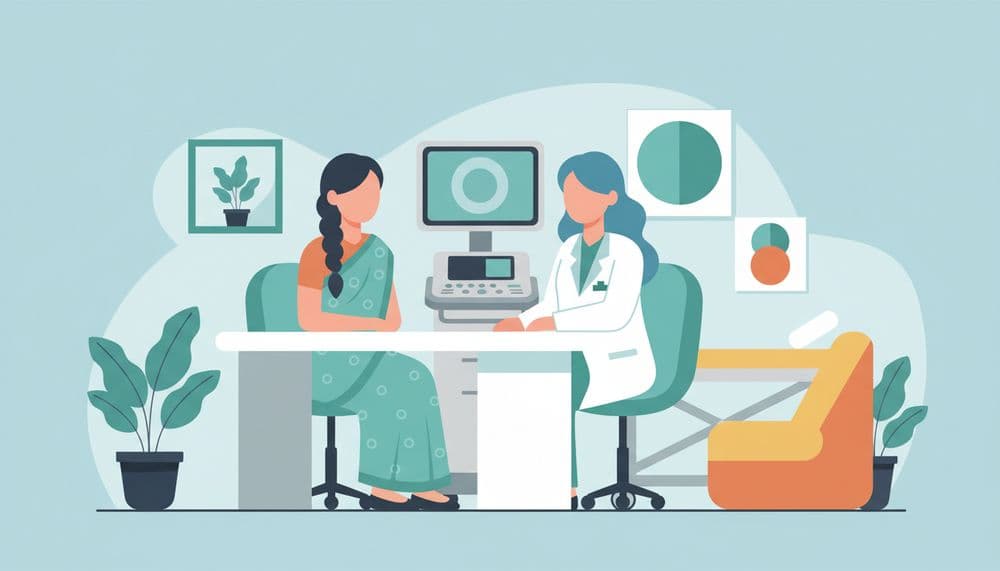
Taking the step to talk to a professional is a sign of immense strength. A doctor or a mental health specialist will provide a safe, confidential space to talk about what you're experiencing.
The consultation will likely involve a conversation about your feelings, your health history, and your symptoms. You may be asked to fill out a screening questionnaire. Be as honest as you can. The more information the doctor has, the better they can help you.
Treatment often involves a combination of therapy (counselling) and medication. Many new mothers worry about taking antidepressants while breastfeeding (doodh pilana/stanpan), but several options are considered safe. This is a conversation to have with your doctor. Remember to consult a qualified healthcare provider to figure out the right approach for you. You don't have to go through this alone.
Frequently Asked Questions
How long does postpartum depression last?
The duration varies. With proper treatment, many women start to feel better within a few weeks to months. If left untreated, it can persist for a year or even longer, affecting the mother's health and the baby's development. Seeking help early is important.
Can fathers get postpartum depression?
Yes. Paternal postpartum depression is a real condition. Fathers can also experience significant mood changes, anxiety, and stress after the birth of a child. Sleep deprivation, new financial pressures, and a shift in the couple's dynamic can all contribute. Fathers need support too.
What is the difference between PPD and postpartum psychosis?
Postpartum psychosis is a rare but extremely serious psychiatric emergency that requires immediate medical help. Symptoms include severe confusion, disorientation, obsessive thoughts about the baby, paranoia, hallucinations, and delusions. While PPD is a severe mood disorder, psychosis involves a break with reality. If you or someone you know shows signs of psychosis, go to the nearest emergency room.
Is it safe to take antidepressants while breastfeeding?
Many modern antidepressants are considered safe for use during breastfeeding, as only a small amount of the medication passes into breast milk. However, you should never decide this on your own. A doctor will weigh the benefits and risks and prescribe a medication and dosage that is appropriate for your situation.
Medical Disclaimer
The information provided in this article is for general informational and educational purposes only. It is not intended as a substitute for professional medical advice, diagnosis, or treatment. Always seek the advice of your physician or other qualified healthcare provider with any questions you may have regarding a medical condition. Never disregard professional medical advice or delay in seeking it because of something you have read in this article.
Related reading
Top Gynecologist doctors in Lucknow on Zospital
Verified specialists you can book in minutes.
- Book appointment
Dr. Richa Gangwar
Gynecologist
Lucknow
Verified•4.9 - Book appointment
Dr. Roli Purwar
Gynecologist
Gorakhpur
Verified - Book appointment

Dr Pooja Bansal
Gynecologist
Navi Mumbai
4.9 - Book appointment
Dr. Vidya Shetty
Gynecologist
Thane
5 - Book appointment

Dr. Shruti Ugran
Gynecologist
Navi Mumbai
4.9 - Book appointment
Dr. Shruti Chandak
Gynecologist
Thane
Have More Questions?
Find quick answers to common questions about our services, appointments, and patient care.
The duration varies. With proper treatment, many women start to feel better within a few weeks to months. If left untreated, it can persist for a year or even longer, affecting the mother's health and the baby's development. Seeking help early is important.
Yes. Paternal postpartum depression is a real condition. Fathers can also experience significant mood changes, anxiety, and stress after the birth of a child. Sleep deprivation, new financial pressures, and a shift in the couple's dynamic can all contribute. Fathers need support too.
Postpartum psychosis is a rare but extremely serious psychiatric emergency that requires immediate medical help. Symptoms include severe confusion, disorientation, obsessive thoughts about the baby, paranoia, hallucinations, and delusions. While PPD is a severe mood disorder, psychosis involves a break with reality. If you or someone you know shows signs of psychosis, go to the nearest emergency room.
Many modern antidepressants are considered safe for use during breastfeeding, as only a small amount of the medication passes into breast milk. However, you should never decide this on your own. A doctor will weigh the benefits and risks and prescribe a medication and dosage that is appropriate for your situation.

“Your Partner in Health, From Adolescence to Motherhood & Beyond.”
Dr Aparna Khandelia
Obs & Gynae Surgeon, MBBS, MS
Private hospitals in Lucknow on Zospital
Prefer a private option? These hospitals in Lucknow list their doctors and take bookings.
- Paarth Eye Hospital & Retina Centre
- Urmila Devi Memorial Hospital- Child Specialist Hospital in Lucknow | Pediatrician hospital
- SPARSH CHILDREN'S HOSPITAL & VACCINATION CENTER | Child Hospital in Raebareli Road Lucknow | Dr. Akhilesh Pandey |
Related Articles

Postpartum Secrets: What Indian Doctors Want You to Know
Discover the unspoken truths about the postpartum journey. This guide helps new mothers in India navigate the physical and emotional challenges after childbirth.

Pravasi Bharatiya Bima Yojana (PBBY): A Guide for Indian Workers Abroad
A comprehensive guide to the Pravasi Bharatiya Bima Yojana (PBBY), a mandatory insurance scheme for Indian emigrant workers with ECR passports. Learn about premiums, coverage amounts, claims, and benefits for families in India.
Pre-Anesthesia Checkup (PAC): A Guide to Surgical Safety
A Pre-Anesthesia Checkup (PAC) is a vital medical evaluation conducted before surgery to ensure patient safety. This guide explains the process, its importance, and what to expect.

Written by Dr Aparna Khandelia
Obs & Gynae Surgeon, MBBS, MS
Last reviewed: 9 August 2026
Medical Disclaimer
The content provided on Zospital is for general informational and educational purposes only. It is not intended as a substitute for professional medical advice, diagnosis, or treatment. Always seek the advice of your physician or other qualified healthcare provider with any questions you may have regarding a medical condition. Never disregard professional medical advice or delay in seeking it because of something you have read on this website. If you think you may have a medical emergency, call your doctor or emergency services immediately.
Are you a doctor or run a clinic or hospital?
Patients across India are searching Zospital right now. Get a free profile with reviews, timings and direct WhatsApp bookings.