Cardiology: Heart Disease & Cardiac Surgery Guide
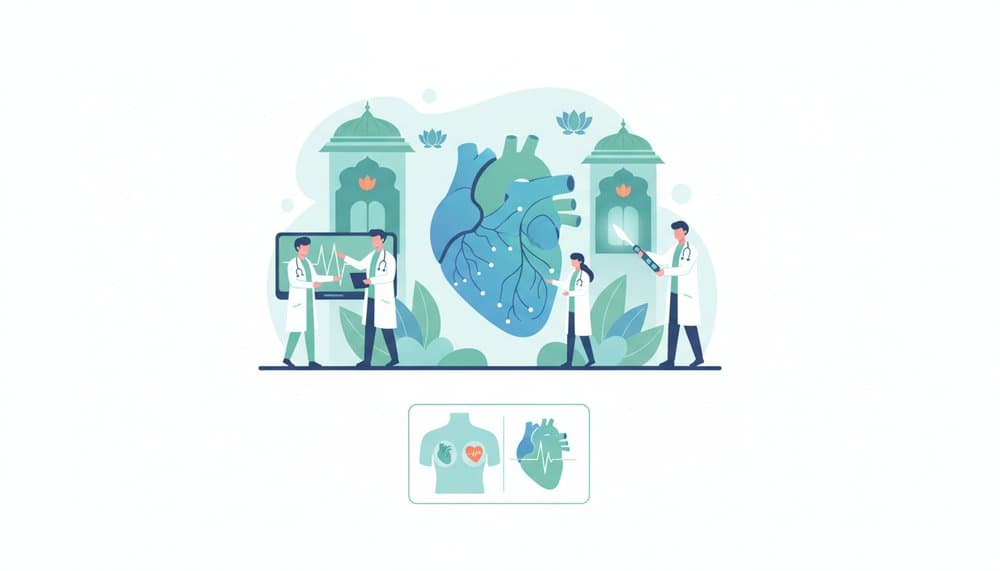
Medically reviewed by Dr.Nikhil Singh, Anaesthesia, MBBS, MD
Last reviewed: 16 Aug 2026
Navigating the Landscape of Cardiac Care: A Comprehensive Guide
An authoritative overview of heart health, from understanding common conditions to navigating the complexities of surgical interventions and hospital selection. This hub provides a foundational understanding of cardiology to empower patients and their families in their healthcare journey.
Introduction
Cardiology is the intricate study of the heart and its diseases, a field of medicine that holds profound significance in our lives. The heart, our body's relentless engine, can be susceptible to a range of conditions that impact its function and, consequently, our overall well-being. Understanding the nuances of heart disease, the available treatments, and the crucial decisions that accompany a cardiac diagnosis is the first step toward proactive health management. This comprehensive guide serves as a detailed resource, offering insights into various facets of cardiac care, from identifying symptoms to understanding surgical options and making informed choices about where to receive care.
Understanding Heart Disease: An Overview of Common Conditions
Heart disease is an umbrella term for various conditions that affect the heart's structure and function. Recognizing the signs and understanding the implications of these diseases is paramount for timely intervention.
Common Heart Conditions:
- Coronary Artery Disease (CAD): The most prevalent type of heart disease, CAD occurs when the arteries supplying blood to the heart muscle become narrowed or blocked due to the buildup of plaque. This can lead to chest pain (angina) or a heart attack.
- Heart Failure: This condition does not mean the heart has stopped working, but rather that it can't pump blood as well as it should. It can result from conditions like CAD and high blood pressure.
- Arrhythmias: These are irregular heartbeats, where the heart may beat too fast, too slow, or with an erratic rhythm.
- Valve Problems: When the heart's valves do not open or close properly, it can disrupt blood flow.
Symptoms that may indicate a heart condition include chest discomfort, shortness of breath, swelling in the legs, high blood pressure, an abnormally fast or slow heart rate, dizziness or fainting, and a strong family history of premature heart disease.
A Deep Dive into Cardiac Surgeries
For many significant heart conditions, surgical intervention is a critical step toward restoring heart function and improving quality of life. The three most common and transformative cardiac surgeries are Coronary Artery Bypass Grafting (CABG), Percutaneous Transluminal Coronary Angioplasty (PTCA), and heart transplantation.
Coronary Artery Bypass Grafting (CABG)
Also known as bypass surgery, CABG is a procedure that creates a new path for blood to flow around a blocked or partially blocked artery in the heart. A healthy blood vessel is taken from another part of the body, such as the chest, leg, or arm, and grafted onto the coronary artery, bypassing the blockage. This surgery is typically recommended for patients with severe coronary artery disease.
- Success Rates: The survival rate for CABG is high, with some sources citing it as high as 98%. Many patients experience significant relief from symptoms like chest pain and can return to a more active lifestyle.
- Recovery: Recovery from CABG takes time. Patients usually stay in the hospital for about a week, including a day or two in the intensive care unit (ICU). Full recovery can take anywhere from 6 to 12 weeks. It's common to feel tired and have some discomfort in the chest during the initial weeks of recovery.
Percutaneous Transluminal Coronary Angioplasty (PTCA)
Commonly known as angioplasty, PTCA is a minimally invasive procedure to open clogged heart arteries. A thin, flexible tube (catheter) with a small balloon at its tip is guided to the blocked artery. The balloon is then inflated, compressing the plaque against the artery wall and restoring blood flow. Often, a small wire mesh tube called a stent is placed in the artery to help keep it open.
- Success Rates: Angioplasty is a safe and effective procedure for many patients with CAD.
- Recovery: Recovery from angioplasty is much quicker than from bypass surgery. Most patients stay in the hospital for 24 to 48 hours for monitoring. They are typically advised to avoid strenuous activity for a short period after the procedure.
Heart Transplant
A heart transplant is a life-saving surgery for individuals with end-stage heart failure, where the heart is severely damaged and can no longer function effectively. The diseased heart is replaced with a healthy heart from a deceased donor. Patients who are candidates for a heart transplant undergo a rigorous selection process to ensure they are healthy enough for the surgery.
- Success Rates: Survival rates for heart transplant recipients have improved significantly over the years. About 88% of patients survive the first year after surgery, and 75% survive for five years. The 10-year survival rate is approximately 56%. Many recipients are able to return to their normal activities.
- Recovery: Recovery after a heart transplant is a long-term process. It involves a hospital stay, close monitoring for signs of organ rejection, and lifelong medication to suppress the immune system. Patients require regular follow-up appointments to monitor their heart function.
Decision Framework for Treatment Options
Choosing the right cardiac treatment is a complex decision made in consultation with a cardiology team. The choice between medication, angioplasty, or bypass surgery depends on several factors:
Factor — Angioplasty (PTCA) May Be Preferred — Bypass Surgery (CABG) May Be Preferred
Severity of Blockage — One or two blocked arteries. — Multiple blocked arteries, especially the left main coronary artery.
Location of Blockage — Blockages that are accessible with a catheter. — Blockages that are difficult to reach with a catheter.
Patient's Overall Health — Generally a good option for many patients, including those who may be at higher risk for open-heart surgery. — May be a better long-term solution for patients with diabetes and multiple blockages.
Heart Muscle Function — When the heart muscle is still relatively strong. — Can be effective even if the heart muscle is weakened.
A heart transplant is considered only when other treatments have failed and the patient is facing end-stage heart failure.
Global Perspectives on Cardiac Care: Cost Comparison (India vs. USA)
The cost of cardiac surgery can be a significant factor in a patient's decision-making process. There is a substantial difference in the cost of these procedures between countries like the United States and India.
- Bypass Surgery (CABG): In the USA, the cost of CABG can range from $70,000 to over $200,000. In India, the same procedure can cost between $4,500 and $12,000.
- Angioplasty (PTCA): An angioplasty in the USA can cost anywhere from $20,000 to $95,000 without insurance. In India, the cost for international patients is estimated to be between $3,000 and $8,000.
- Heart Transplant: A heart transplant in the USA can exceed $1.66 million. In India, the cost is significantly lower, ranging from approximately $25,000 to $55,000.
This considerable cost difference is attributed to lower operational costs and a higher volume of patients in Indian hospitals. Many top Indian hospitals are internationally accredited and have success rates comparable to those in Western countries.
Selecting the Right Hospital for Cardiac Care
Choosing the right hospital is a critical decision that can significantly impact the outcome of cardiac treatment. Here are key factors to consider:
- Reputation and Expertise: Look for hospitals with a strong reputation for excellence in cardiology and a team of experienced, board-certified cardiologists.
- Range of Services: A comprehensive cardiology department should offer a full spectrum of services, from diagnostics and preventive care to advanced surgical procedures and cardiac rehabilitation.
- Technology and Infrastructure: Modern cardiac care relies on advanced technology. Hospitals equipped with state-of-the-art catheterization labs, operating rooms, and diagnostic equipment are better prepared to handle complex cases.
- Patient-Centric Care: The best hospitals prioritize clear communication, personalized care plans, and patient involvement in treatment decisions. Reading patient reviews and satisfaction ratings can provide valuable insights.
- Success Rates and Quality Metrics: Many hospitals track and report their performance data, which can help you compare their outcomes for specific procedures.
When to Seek Cardiac Treatment
Recognizing the warning signs of a heart problem and knowing when to seek help is crucial.
When to Seek Emergency Medical Help:
Seek immediate medical attention by calling emergency services if you experience symptoms of a heart attack, which can include:
- Severe pressure, squeezing, or pain in the chest.
- Pain or discomfort that spreads to the shoulders, neck, arms, or jaw.
- Shortness of breath.
- Sweating, cool or clammy skin, and paleness.
- Nausea or vomiting.
- Dizziness or fainting.
It's important to note that women may experience atypical symptoms such as jaw, neck, or back pain, fatigue, or nausea.
When to Schedule a Consultation with a Cardiologist:
You should consider seeing a cardiologist if you have:
- A recommendation from your primary care physician.
- A family history of heart disease.
- Risk factors such as high blood pressure, high cholesterol, diabetes, or a history of smoking.
- Symptoms like chest pain during physical activity, frequent shortness of breath, or heart palpitations
Written by
Top Anesthesiologist doctors in Lucknow on Zospital
Verified specialists you can book in minutes.
- Book appointment

Dr. Sanni Deyol Gautam
Anesthesiologist
Lucknow
4.8 - Book appointment

Dr Karanvir Singh Sidhu
Anesthesiologist
Lucknow
4.8 - Book appointment

Dr Harpreet Kaur
Anesthesiologist
Lucknow
4.8 - Book appointment

Dr. Akshat Trivedi
Anesthesiologist
Lucknow
4.5 - Book appointment

Dr. Praful Srivastava
Anesthesiologist
4.8 - Book appointment

Dr. Mohd. Ruheel Khan
Anesthesiologist
Faizabad

“Your Health, Our Priority. Your Voice, Our Guide”
Dr.Nikhil Singh
Anaesthesia, MBBS, MD
Private hospitals in Lucknow on Zospital
Prefer a private option? These hospitals in Lucknow list their doctors and take bookings.
See all hospitals in LucknowRelated Articles

Cataract: Causes, Symptoms and Treatment
A clear guide to cataract, its causes and symptoms, and how cataract surgery with an intraocular lens restores vision.

Motiyabind (Cataract) Operation Ka Kharcha Lucknow Me Kitna Hai?
Lucknow me motiyabind operation ka andaazan kharcha lens ke hisab se, sarkari camp ka free option, aur Ayushman coverage — aasan jankari.

Cataract Surgery Cost: CGHS vs Private (North India)
A cost comparison of cataract surgery across CGHS and private hospitals in North India.

Written by Dr.Nikhil Singh
Anaesthesia, MBBS, MD
Last reviewed: 16 August 2026
Medical Disclaimer
The content provided on Zospital is for general informational and educational purposes only. It is not intended as a substitute for professional medical advice, diagnosis, or treatment. Always seek the advice of your physician or other qualified healthcare provider with any questions you may have regarding a medical condition. Never disregard professional medical advice or delay in seeking it because of something you have read on this website. If you think you may have a medical emergency, call your doctor or emergency services immediately.
Are you a doctor or run a clinic or hospital?
Patients across India are searching Zospital right now. Get a free profile with reviews, timings and direct WhatsApp bookings.