Cancer Chemotherapy Costs
Medically reviewed by Dr.Nikhil Singh, Anaesthesia, MBBS, MD
Last reviewed: 16 Aug 2026
A Comprehensive Guide to Cancer Chemotherapy Costs in India for Patients and NRIs
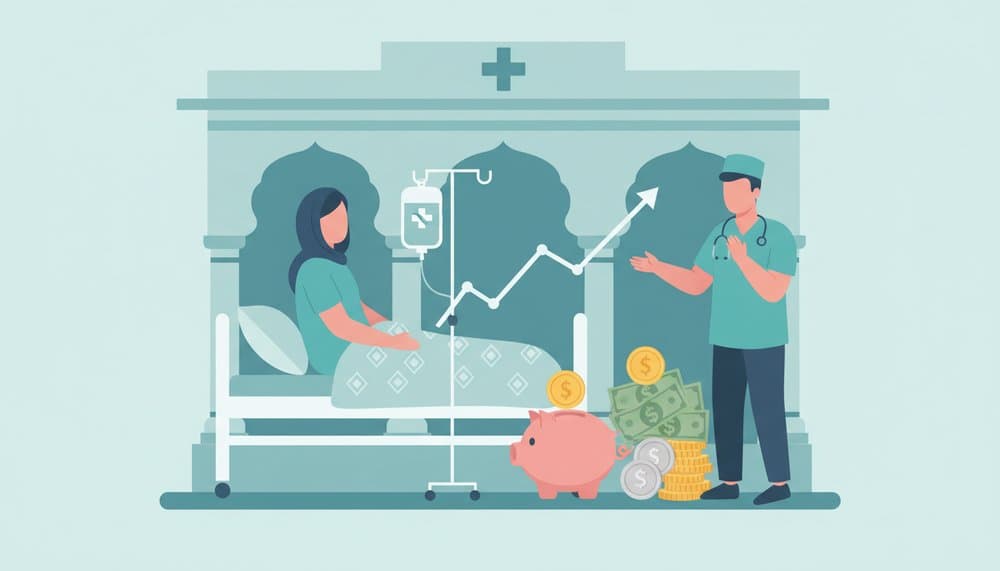
A cancer diagnosis brings with it a wave of emotional, physical, and financial challenges. For many, the most immediate and daunting question is: "How much will the treatment cost?" Chemotherapy, a cornerstone of cancer care, involves a wide spectrum of expenses that can be difficult to navigate. This guide aims to provide a clear, detailed, and practical overview of chemotherapy costs in India, designed for Indian patients and Non-Resident Indian (NRI) expats seeking treatment in the country.
India has become a global destination for high-quality, affordable cancer care, offering treatments at a fraction of the cost in Western countries like the US and UK. However, understanding the nuances of this cost structure is crucial for effective financial planning and stress-free treatment. This guide will break down the expenses, from the chemotherapy agents themselves to supportive care, and provide frameworks for making informed decisions.
Understanding the Key Drivers of Chemotherapy Costs
The total cost of chemotherapy is not a single figure but a composite of several interacting factors. The final bill can vary significantly from one patient to another, even for the same type of cancer.
Primary Factors Influencing Cost:
- Type and Stage of Cancer: Different cancers require different drug protocols and treatment durations. Advanced-stage cancers may necessitate more aggressive, prolonged, or complex treatment regimens, increasing the cost.
- Chemotherapy Drug Protocol: This is the single largest cost driver. Treatments are broadly categorized into conventional chemotherapy, targeted therapy, and immunotherapy, each with a vastly different price point.
- Hospital Choice and Location: Costs can differ by 40-70% between government and private hospitals. Furthermore, prices vary between metropolitan cities and smaller towns, and between large corporate hospital chains and smaller standalone centres.
- Number of Cycles: Chemotherapy is administered in cycles, and a full course typically involves 4 to 8 cycles over 3 to 6 months. The total cost is directly proportional to the number of cycles required.
A Detailed Breakdown of Chemotherapy Expenses
The overall cost of chemotherapy per session in India can range from ₹3,000 to as high as ₹5,00,000, with a full course of treatment costing anywhere between ₹60,000 and ₹30,00,000 or more. Let's break down where this money goes.
1. The Cost of Chemotherapy Agents
The choice of drug is the most significant variable. Modern treatments, while often more effective and with fewer side effects, come at a premium.
Drug Category — Estimated Cost Per Cycle (INR) — Description
Conventional/Generic Chemotherapy — ₹10,000 – ₹40,000 — These are older, cytotoxic drugs that kill rapidly dividing cells. Examples include Paclitaxel, Docetaxel, and Cyclophosphamide. Generic versions are widely available and significantly reduce costs.
Targeted Therapy — ₹50,000 – ₹2,00,000 — These drugs target specific molecules involved in cancer growth, sparing many healthy cells. Examples include Trastuzumab and Bevacizumab.
Immunotherapy — ₹1,00,000 – ₹5,00,000+ — These advanced treatments stimulate the patient's own immune system to fight cancer. Drugs like Pembrolizumab (Keytruda) and Nivolumab (Opdivo) are highly effective for certain cancers but are also the most expensive.
Note: These are estimated costs and can vary based on the specific drug, dosage (often calculated based on body surface area), and hospital pricing.
Financial Relief for Expensive Drugs: For costly targeted and immunotherapy drugs, many pharmaceutical companies offer Patient Assistance Programs (PAPs). These programs often work on models like "buy 3 cycles, get 1 free," significantly reducing the overall financial burden. It is always worthwhile to ask your hospital's financial counsellor about available PAPs.
2. Treatment Duration and Frequency
Chemotherapy is administered in cycles to allow the body time to recover from side effects.
- Cycle Frequency: A cycle can be weekly, bi-weekly, or monthly.
- Course Duration: A complete course of treatment for curative intent often lasts 3 to 6 months. For adjuvant therapy (after surgery), this may extend to 4-6 months, while for certain blood cancers, it could be up to a year.
Sample Cost Calculation: If a patient's regimen costs ₹50,000 per cycle and requires 6 cycles, the total drug cost would be ₹3,00,000. This does not include other associated charges.
3. The Cost of Managing Side Effects and Supportive Care
The "total cost" extends far beyond the price of the chemotherapy drugs. Supportive care, which aims to manage side effects and maintain quality of life, is a critical and often underestimated expense.
Common side effects include nausea, vomiting, fatigue, hair loss, mouth sores, and a drop in blood cell counts, which can lead to infections (neutropenia) or anemia.
Supportive Care Item — Estimated Cost Per Cycle (INR) — Purpose
Anti-Nausea Medication — ₹500 – ₹5,000 — To prevent and manage nausea and vomiting, which are common side effects.
Immunity Boosters (G-CSF Injections) — ₹5,000 – ₹15,000 — To stimulate the production of white blood cells and reduce the risk of infection (neutropenia).
Blood/Platelet Transfusions — ₹3,000 – ₹10,000 per unit — Required if red blood cell or platelet counts drop to dangerous levels.
Pain Management — ₹1,000 – ₹5,000 — For managing pain caused by the cancer itself or the treatment.
Nutritional Support — Variable — Consultations with a nutritionist and specialized dietary supplements.
Palliative Care — Variable — Focused on symptom relief. Can be free via NGOs, ₹1,000-₹5,000 per home visit from private agencies, or higher if hospital-based.
On average, supportive care medications can add ₹5,000 to ₹20,000 to the cost of each chemotherapy cycle.
Deconstructing the Total Bill: A Sample Cycle Cost
To provide a clearer picture, here is a sample breakdown of the costs associated with a single chemotherapy session in a private hospital day-care unit.
Expense Component — Estimated Cost (INR) — Notes
Chemotherapy Drug Cost — ₹10,000 – ₹2,00,000+ — The primary variable, as detailed above.
Consultation Fees — ₹1,000 – ₹3,000 — For the oncologist's review before each cycle.
Infusion/Day Care Charges — ₹2,000 – ₹8,000 — Covers the cost of the bed, nursing staff, and administration of the IV drugs.
Supportive Medications (during infusion) — ₹1,000 – ₹5,000 — Includes pre-medications like anti-allergics and anti-nausea drugs.
Consumables & Pharmacy Items — ₹1,000 – ₹3,000 — IV fluids, syringes, and other disposable items.
Pre-Chemo Blood Tests — ₹1,000 – ₹2,500 — Essential before every cycle to ensure blood counts are safe for treatment.
One-Time Costs (if applicable) — ₹15,000 – ₹40,000 — Such as the surgical insertion of a chemo-port for patients with difficult veins (amortized over the course of treatment).
Total Estimated Cost Per Cycle — ₹16,000 – ₹2,21,500+ — This wide range highlights the importance of getting a detailed, personalized estimate from your hospital.
Hospital Selection: A Critical Decision Framework
Choosing the right hospital is as important as the treatment itself. The decision should balance clinical excellence, comprehensive care, and cost.
Government vs. Private Hospitals:
- Government Hospitals (e.g., AIIMS, Tata Memorial): Offer highly subsidized or free treatment. They have excellent, experienced doctors but often face long waiting times, high patient loads, and fewer amenities. Indirect costs like accommodation nearby can add up.
- Private Hospitals (e.g., Apollo, Fortis, Medanta): Provide faster access to treatment, advanced technology, a wider choice of branded drugs, and more comfortable facilities. However, the costs are significantly higher.
Hospital Selection Checklist:
- Reputation and Accreditations: Look for hospitals with NABH (National Accreditation Board for Hospitals & Healthcare Providers) accreditation and a strong reputation in oncology.
- Specialized Expertise: Does the hospital have a dedicated oncology department with experience in treating your specific type of cancer? Check for sub-specialties like medical, surgical, and radiation oncology.
- Comprehensive Care Team: The best centres provide a multidisciplinary team, including oncologists, specialized nurses, nutritionists, psychologists, and palliative care specialists, all under one roof.
- Technology and Infrastructure: Access to modern diagnostic tools (like PET-CT scans) and treatment technologies can impact outcomes.
- Cost Transparency and Financial Counselling: A good hospital will provide a detailed, upfront cost estimate and have financial counsellors to discuss payment options, insurance claims, and financial aid programs.
- Location and Accessibility: Cancer treatment is exhausting. A conveniently located hospital can reduce the burden of travel.
Navigating the Recovery Journey: Timelines and Expectations
Recovery from chemotherapy is a gradual process that occurs both between cycles and after the entire course is complete.
Short-Term Recovery (Between Cycles):
- The first few days after an infusion are often the most difficult, with peak side effects like nausea and fatigue.
- By days 10-14, most patients start to feel their energy return as the body recovers.
- It is crucial during this time to manage side effects proactively, maintain good nutrition and hydration, and watch for signs of infection (like a fever), which requires immediate medical attention.
**
Written by
Top Anesthesiologist doctors in Lucknow on Zospital
Verified specialists you can book in minutes.
- Book appointment

Dr. Sanni Deyol Gautam
Anesthesiologist
Lucknow
4.8 - Book appointment

Dr Karanvir Singh Sidhu
Anesthesiologist
Lucknow
4.8 - Book appointment

Dr Harpreet Kaur
Anesthesiologist
Lucknow
4.8 - Book appointment

Dr. Akshat Trivedi
Anesthesiologist
Lucknow
4.5 - Book appointment
Dr. Praful Srivastava
Anesthesiologist
4.8 - Book appointment

Dr. Mohd. Ruheel Khan
Anesthesiologist
Faizabad

“Your Health, Our Priority. Your Voice, Our Guide”
Dr.Nikhil Singh
Anaesthesia, MBBS, MD
Private hospitals in Lucknow on Zospital
Prefer a private option? These hospitals in Lucknow list their doctors and take bookings.
See all hospitals in LucknowRelated Articles

Cancer Immunotherapy Costs
## A Comprehensive Guide to Cancer Immunotherapy in India: Costs, Effectiveness, and Access For countless Indian patients and their families grappling with a cancer diagnosis, the emergence of immuno

Cancer Screening NRI India
## A Comprehensive Guide to Cancer Screening in India for Non-Resident Indians (NRIs) For Non-Resident Indians (NRIs), managing healthcare while balancing international lives presents a unique set of
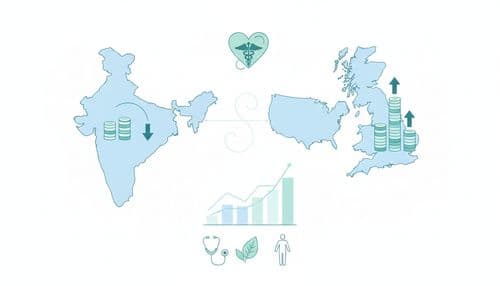
Cancer Treatment Costs in India vs. USA & UK: A Guide for NRIs
A detailed comparison of cancer treatment costs in India, the USA, and the UK, covering chemotherapy, radiotherapy, and surgery for international patients and NRIs.

Written by Dr.Nikhil Singh
Anaesthesia, MBBS, MD
Last reviewed: 16 August 2026
Medical Disclaimer
The content provided on Zospital is for general informational and educational purposes only. It is not intended as a substitute for professional medical advice, diagnosis, or treatment. Always seek the advice of your physician or other qualified healthcare provider with any questions you may have regarding a medical condition. Never disregard professional medical advice or delay in seeking it because of something you have read on this website. If you think you may have a medical emergency, call your doctor or emergency services immediately.
Are you a doctor or run a clinic or hospital?
Patients across India are searching Zospital right now. Get a free profile with reviews, timings and direct WhatsApp bookings.