Cancer Screening NRI India

Medically reviewed by Dr.Nikhil Singh, Anaesthesia, MBBS, MD
Last reviewed: 16 Aug 2026
A Comprehensive Guide to Cancer Screening in India for Non-Resident Indians (NRIs)
For Non-Resident Indians (NRIs), managing healthcare while balancing international lives presents a unique set of challenges. However, when it comes to preventive health, particularly cancer screening, India has emerged as a global leader, offering world-class diagnostics at a fraction of the cost found in Western countries. This guide provides a detailed roadmap for NRIs seeking to leverage India's advanced healthcare infrastructure for breast, colon, lung, and skin cancer screening.
Why Choose India for Your Cancer Screening?
Returning to India for medical procedures, including preventive screenings, is a growing trend among the diaspora. The advantages are compelling:
- Significant Cost Savings: Medical procedures in India can cost 60-90% less than in countries like the United States, United Kingdom, or Canada, without compromising on quality. This allows for comprehensive screening that might be prohibitively expensive abroad.
- World-Class Infrastructure: India is home to numerous hospitals accredited by the Joint Commission International (JCI) and the National Accreditation Board for Hospitals & Healthcare Providers (NABH). These facilities meet the same stringent safety and quality standards as top hospitals worldwide.
- Advanced Technology: Leading Indian hospitals are equipped with the latest diagnostic technology, including 3D mammography, low-dose CT scanners, and high-definition endoscopy, ensuring accurate and early detection.
- Internationally Trained Specialists: Many of India's top oncologists and radiologists have trained and worked in major medical centers across the globe, bringing a wealth of international experience.
- Minimal Waiting Times: Unlike the long waiting lists common in many national health systems, appointments for screenings and consultations in India can often be secured within days.
- Seamless NRI-Focused Services: Major hospital chains have dedicated International Patient Services departments designed to manage the entire process for NRIs and foreign nationals, from initial queries to post-visit follow-ups.
Step-by-Step Guide for NRIs: Accessing Screening Services from Abroad
Navigating the Indian healthcare system from another country can seem daunting, but top hospitals have streamlined the process.
Step 1: Initial Research and Hospital Selection Begin by identifying accredited hospitals in your city of choice. Look for JCI or NABH accreditation as a quality benchmark. Major hospital groups with excellent oncology departments and robust international patient services include:
- Apollo Hospitals (Multiple cities): Known for its extensive network and the pioneering Apollo Proton Cancer Centre in Chennai.
- Fortis Healthcare (Multiple cities): A major network with strong oncology and international patient support.
- Medanta - The Medicity (Gurugram): A highly-rated multi-specialty hospital with a large international patient flow.
- Max Healthcare (Delhi NCR): Known for advanced cancer care, including robotic surgery and bone marrow transplants.
- HCG Cancer Centre (Multiple cities): A specialized network dedicated exclusively to cancer care.
- Tata Memorial Hospital (Mumbai, and other locations): A premier government-funded cancer center known for its expertise and affordable care, though it may have longer waiting times.
Step 2: Contact the International Patient Desk Once you have a shortlist, contact the hospital's International Patient Services department directly. You can usually find their contact details (email, phone, and often a dedicated WhatsApp number) on the hospital's website.
Your initial communication should include:
- A clear statement that you are an NRI seeking preventive cancer screening.
- Your age, gender, and any specific risk factors (family history, smoking, etc.).
- Your planned travel dates to India.
- A request for information on relevant screening packages and individual test costs.
Step 3: Medical Opinion and Treatment Plan The international patient coordinator will facilitate a response. For screenings, this usually involves recommending a specific health check-up package or a set of individual tests based on your profile. They will provide a detailed cost estimate. For more complex cases, they can arrange a tele-consultation with a specialist.
Step 4: Visa and Travel Arrangements If you require a medical visa, the hospital will provide a "Visa Invitation Letter" to support your application. The international patient team can also assist with airport pickups, local SIM cards, and booking accommodation, from guesthouses to hotels.
Step 5: Your Visit and Screening Upon arrival, a dedicated relationship manager or coordinator will guide you through the hospital's administrative processes, ensuring a smooth experience. They will accompany you to your appointments and ensure you are comfortable.
Step 6: Reports and Follow-Up Most screening reports are available within 24-48 hours. A consultation with a physician is typically included in the package to discuss the results. If any follow-up is needed, the hospital will provide a clear action plan. Many hospitals also offer post-return follow-up consultations via video call.
Breast Cancer Screening
Breast cancer is the most common cancer among Indian women. Early detection through regular screening is the most effective way to improve survival rates.
Screening Recommendations:
- Age 30-40: A clinical breast examination (CBE) by a doctor every 1-3 years is recommended. The Indian Council of Medical Research also recommends monthly self-breast examinations starting from age 20.
- Age 40-70: An annual screening mammogram is recommended, along with an annual CBE.
- High-Risk Women: Those with a strong family history of breast or ovarian cancer, or a history of mantle radiotherapy, should begin annual screening (mammogram and potentially MRI) earlier, typically from age 30 or 10 years before the age of the youngest affected relative.
Screening Tests and Costs:
Test — Description — Indicative Cost in India (INR)
Digital Mammogram — An X-ray of the breast used to detect abnormalities. — ₹1,500 - ₹3,500
3D Mammography (Tomosynthesis) — An advanced form of mammogram that creates a 3D image of the breast, particularly useful for women with dense breast tissue. — ₹5,000 - ₹8,000
Breast Ultrasound — Often used as a follow-up to a mammogram to investigate a specific area of concern or for screening in younger women. — ₹1,500 - ₹5,000
Clinical Breast Exam (CBE) — A physical examination by a trained healthcare professional. — Often included in a general physician or gynecologist consultation (₹800 - ₹2,500).
Colon Cancer Screening
Colorectal cancer (CRC) is on the rise, particularly in younger adults. Screening can detect precancerous polyps, which can be removed before they turn into cancer.
Screening Recommendations:
- Average-Risk Individuals: The U.S. Preventive Services Task Force (USPSTF) and many Indian experts now recommend starting screening at age 45 and continuing until age 75.
- High-Risk Individuals: Those with a personal or family history of colorectal cancer or polyps, or a history of inflammatory bowel disease, should start screening earlier and more frequently, as advised by their doctor.
Screening Tests and Costs:
Test — Description — Frequency — Indicative Cost in India (INR)
Colonoscopy — The gold standard test where a doctor examines the entire colon with a flexible, lighted tube. Polyps can be removed during the procedure. — Every 10 years — ₹10,000 - ₹25,000
Stool for Occult Blood (FIT) — A non-invasive test that checks for hidden blood in the stool, an early sign of potential issues. — Annually — Included in many health packages.
Note: The cost of a colonoscopy can vary based on the city, hospital, and whether a biopsy is performed or polyps are removed.
Lung Cancer Screening
Lung cancer is a leading cause of cancer-related death, often diagnosed at a late stage. Screening is crucial for high-risk individuals, as it can significantly reduce mortality.
Screening Recommendations:
- High-Risk Individuals: Annual screening with a Low-Dose Computed Tomography (LDCT) scan is recommended. While India lacks a formal national guideline, international standards are widely adopted. High-risk is generally defined as:
- Adults aged 50-80 years.
- With a 20 pack-year or more smoking history (e.g., smoking one pack a day for 20 years).
- Who are current smokers or have quit within the last 15 years.
- Other Risk Factors: In the Indian context, significant long-term exposure to secondhand smoke, bidi smoking, and high levels of air pollution are also considered important risk factors.
Screening Tests and Costs:
Test — Description — Indicative Cost in India (INR)
Low-Dose CT (LDCT) Scan — A specialized CT scan that uses up to 90% less radiation than a standard chest CT to create detailed images of the lungs. — ₹2,500 - ₹6,000
A 2026 study confirmed that LDCT is a cost-effective screening strategy in the Indian context.
Skin Cancer Screening
While less common in India compared to Western countries, skin cancer rates are not insignificant, and early detection is key to successful treatment.
Screening Recommendations:
- All Individuals: Regular self-examination of the skin to notice any new or changing moles, sores that don't heal, or unusual patches is recommended.
- High-Risk Individuals: Annual full-body examination by a dermatologist is advised for those at higher risk, including individuals with:
*
Written by
Top Anesthesiologist doctors in Lucknow on Zospital
Verified specialists you can book in minutes.
- Book appointment

Dr. Sanni Deyol Gautam
Anesthesiologist
Lucknow
4.8 - Book appointment

Dr Karanvir Singh Sidhu
Anesthesiologist
Lucknow
4.8 - Book appointment

Dr Harpreet Kaur
Anesthesiologist
Lucknow
4.8 - Book appointment

Dr. Akshat Trivedi
Anesthesiologist
Lucknow
4.5 - Book appointment
Dr. Praful Srivastava
Anesthesiologist
4.8 - Book appointment

Dr. Mohd. Ruheel Khan
Anesthesiologist
Faizabad

“Your Health, Our Priority. Your Voice, Our Guide”
Dr.Nikhil Singh
Anaesthesia, MBBS, MD
Private hospitals in Lucknow on Zospital
Prefer a private option? These hospitals in Lucknow list their doctors and take bookings.
See all hospitals in LucknowRelated Articles
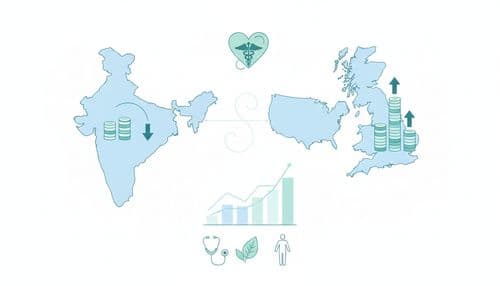
Cancer Treatment Costs in India vs. USA & UK: A Guide for NRIs
A detailed comparison of cancer treatment costs in India, the USA, and the UK, covering chemotherapy, radiotherapy, and surgery for international patients and NRIs.

Cancer Ka Shak? Kab Aur Kise Dikhayein — Varanasi Guide
Cancer ke shuruaati lakshan kya hain, oncologist ko kab dikhayein, aur ilaj-kharch me sarkari madad (Ayushman Bharat) — aasan bhasha me.

Capital Hospital, Bhubaneswar: OPD Appointment and Costs
Guide to booking OPD appointments, registration timings, and costs at Capital Hospital, Bhubaneswar. Learn about free services under BSKY and PM-JAY schemes.

Written by Dr.Nikhil Singh
Anaesthesia, MBBS, MD
Last reviewed: 16 August 2026
Medical Disclaimer
The content provided on Zospital is for general informational and educational purposes only. It is not intended as a substitute for professional medical advice, diagnosis, or treatment. Always seek the advice of your physician or other qualified healthcare provider with any questions you may have regarding a medical condition. Never disregard professional medical advice or delay in seeking it because of something you have read on this website. If you think you may have a medical emergency, call your doctor or emergency services immediately.
Are you a doctor or run a clinic or hospital?
Patients across India are searching Zospital right now. Get a free profile with reviews, timings and direct WhatsApp bookings.