Anemia in Pregnancy: Symptoms & Why It's a Concern
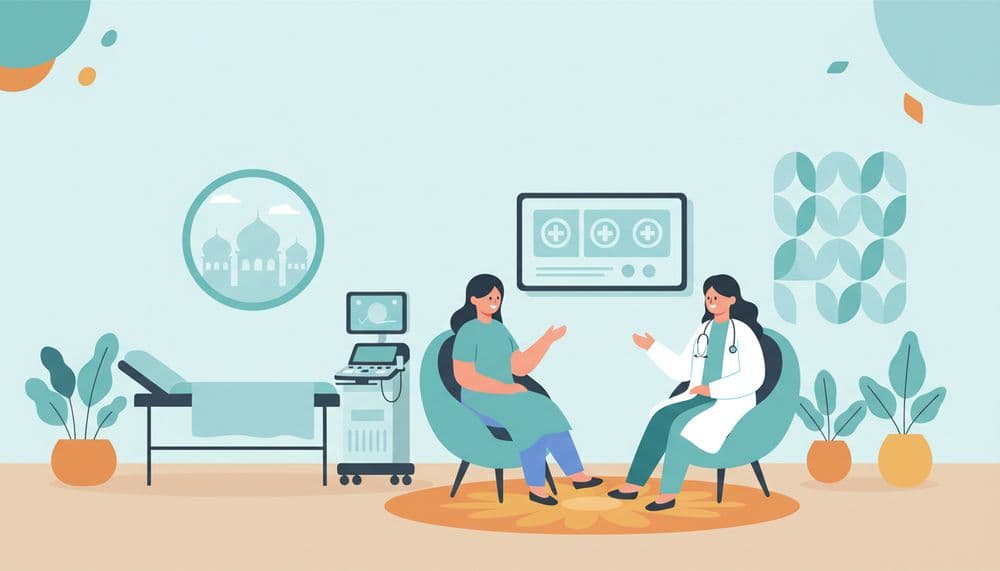
More in Gynecologist Guides
Medically reviewed by Dr Aparna Khandelia, Obs & Gynae Surgeon, MBBS, MS
Last reviewed: 9 Aug 2026 · How we review health content
Just the other day, a 30-year-old marketing professional from Noida came to see me. She was in her second trimester and felt completely drained of energy. She told me, 'Doctor, I can barely get through my workday. I feel dizzy when I stand up too fast, and even climbing one flight of stairs leaves me breathless.' She had been blaming it on her busy job and the Delhi heat, but her family was worried about how pale she looked.
Her story is very common. I see many expecting mothers who dismiss extreme fatigue as a normal part of pregnancy (garbhavastha). But often, it's a clear sign of anemia, what many people call 'khoon ki kami' or a lack of blood. Your body is doing an incredible job of growing a baby, but it needs the right resources to do so. Let's talk about what anemia really is and why you shouldn't ignore it.
What Exactly Is Anemia in Pregnancy?
Think of it this way. Your blood has red blood cells that act like tiny delivery trucks, carrying oxygen to all parts of your body and to your growing baby. To build these trucks, your body needs iron. Anemia happens when you don't have enough healthy red blood cells to carry the required oxygen. It’s not just about feeling tired; it’s about your body’s entire oxygen supply chain being under strain.
During pregnancy, your blood volume increases by almost 50% to support your baby (bachcha). That's a huge demand! To make all that extra blood, you need a lot more iron. If your diet doesn't provide enough, or your iron stores were low to begin with, you can easily become anemic. In my experience, this is one of the most frequent health issues we manage during pregnancy in India.
Symptoms of Anemia: More Than Just Tiredness
One thing many patients don't realize is that the symptoms of anemia can be subtle at first and are easy to confuse with regular pregnancy discomforts. But as it gets worse, the signs become harder to ignore. Are you experiencing any of these?
Look out for:
- Constant and extreme fatigue that doesn't get better with rest.
- Pale skin, lips, and nails. A good place to check is the inside of your lower eyelids – if they look pale pink or yellow instead of red, it's a sign.
- Shortness of breath, even with minimal activity.
- Feeling dizzy or lightheaded.
- Cold hands and feet.
- Rapid heartbeat or palpitations.
Why Does Anemia Matter for You and Your Baby?
Experiencing this? Dr Aparna Khandelia (MBBS, MS (Obstetrics & Gynaecology)) treats IVF treatment, normal and cesarean deliveries, high-risk pregnancy management, prenatal and postnatal care, family planning counseling, irregular periods and PCOS treatment, pregnancy ultrasounds at ERA's Lucknow Medical College & Hospital and B Hope Hospital in Lucknow. Book an appointment.
This is the question I get asked the most. Why is the doctor so concerned about my hemoglobin level? The reason is simple: untreated anemia can lead to complications. It isn't something to panic about, but it is something to take seriously.
For you, the mother, severe anemia can increase the risk of having a premature delivery. It can also make you feel weaker and less able to cope with blood loss during the delivery (prasav). For your baby, a steady supply of oxygen is essential for healthy growth. If your oxygen-carrying capacity is low, it can affect the baby's development, potentially leading to a lower birth weight.
What to Expect at Your Doctor's Visit
If you suspect you have anemia, please don't wait. The first step is to consult a qualified healthcare provider. The check-up is very straightforward. Your doctor will ask about your symptoms and your diet. Then, they will order a simple blood test called a Complete Blood Count (CBC). This test measures your hemoglobin and hematocrit levels, giving a clear picture of your red blood cells.
If the test confirms anemia, the treatment is usually simple. Most often, you'll be prescribed iron and folic acid supplements. In more significant cases, an iron injection might be suggested for quicker results. It's a very manageable condition, but only if it's diagnosed and treated.
Can Diet Help? Yes, It Can!
Supplements are important, but your daily diet plays a huge role. I always advise my patients to focus on iron-rich foods. For vegetarians, this includes lentils (dal), chickpeas (chana), spinach (palak), beetroot, and millets like ragi. Non-vegetarians can include lean red meat, chicken, and fish.
Here's a tip I give everyone: pair your iron-rich meal with a source of Vitamin C, like a glass of lemon water (nimbu pani) or a tomato. Vitamin C helps your body absorb the iron much more effectively. Also, try to avoid drinking tea or coffee right after your meals, as they can interfere with iron absorption. A small change like this can make a big difference.
Frequently Asked Questions
Is it normal to be anemic during pregnancy?
It's very common for women to develop mild anemia during pregnancy because the body's demand for iron and blood increases significantly. However, 'common' does not mean 'harmless.' It's important to monitor and treat it to avoid any potential complications for you or your baby.
Will iron pills make me constipated?
This is a frequent concern. Yes, some people find that iron supplements can cause constipation or an upset stomach. You can manage this by drinking plenty of water, eating high-fiber foods like fruits and whole grains (roti made from whole wheat), and staying active. If it's still a problem, speak to your doctor; they might be able to suggest a different type of supplement.
Can I treat my pregnancy anemia with food alone?
While a diet rich in iron is essential, it's often difficult to get the high amount of iron needed during pregnancy from food alone, especially if your levels are already low. That's why doctors usually prescribe supplements to ensure you and your baby are getting enough. Think of the supplements as the primary treatment and the diet as crucial support.
When is anemia usually checked for in pregnancy?
Anemia is typically checked for with a routine blood test at your first prenatal visit. It's also commonly re-checked again around 28 weeks of pregnancy, as this is when anemia is most likely to develop. However, if you have symptoms at any time, your doctor will test you then.
Medical Disclaimer
The information provided in this article is for general informational and educational purposes only. It is not intended as a substitute for professional medical advice, diagnosis, or treatment. Always seek the advice of your physician or other qualified healthcare provider with any questions you may have regarding a medical condition. Never disregard professional medical advice or delay in seeking it because of something you have read in this article.
Related reading
Top Gynecologist doctors in Lucknow on Zospital
Explore professional profiles and available appointment options.
- Book appointment

Dr. Richa Gangwar
Gynecologist
Lucknow
Verified•4.9 - Book appointment

Dr. Anjana Jain
Gynecologist
Lucknow
4.9 - Book appointment

Dr. Peeyusha Wadhwani Rajani
Gynecologist
Lucknow
4.9 - Book appointment

Dr. Rita Das
Gynecologist
Lucknow
4.5 - Book appointment

Dr. Asha Mishra
Gynecologist
Lucknow
4.9 - Book appointment
Dr. Zakia Rahman
Gynecologist
Lucknow
5
Have More Questions?
Find quick answers to common questions about our services, appointments, and patient care.
It's very common for women to develop mild anemia during pregnancy because the body's demand for iron and blood increases significantly. However, 'common' does not mean 'harmless.' It's important to monitor and treat it to avoid any potential complications for you or your baby.
This is a frequent concern. Yes, some people find that iron supplements can cause constipation or an upset stomach. You can manage this by drinking plenty of water, eating high-fiber foods like fruits and whole grains (roti made from whole wheat), and staying active. If it's still a problem, speak to your doctor; they might be able to suggest a different type of supplement.
While a diet rich in iron is essential, it's often difficult to get the high amount of iron needed during pregnancy from food alone, especially if your levels are already low. That's why doctors usually prescribe supplements to ensure you and your baby are getting enough. Think of the supplements as the primary treatment and the diet as crucial support.
Anemia is typically checked for with a routine blood test at your first prenatal visit. It's also commonly re-checked again around 28 weeks of pregnancy, as this is when anemia is most likely to develop. However, if you have symptoms at any time, your doctor will test you then.

“Your Partner in Health, From Adolescence to Motherhood & Beyond.”
Dr Aparna Khandelia
Obs & Gynae Surgeon, MBBS, MS
Private hospitals in Lucknow on Zospital
Prefer a private option? These hospitals in Lucknow list their doctors and take bookings.
- Paarth Eye Hospital & Retina Centre
- Urmila Devi Memorial Hospital- Child Specialist Hospital in Lucknow | Pediatrician hospital
- SPARSH CHILDREN'S HOSPITAL & VACCINATION CENTER | Child Hospital in Raebareli Road Lucknow | Dr. Akhilesh Pandey |
Related Articles

Angioplasty Cost: CGHS vs Private (North India)
A cost comparison of coronary angioplasty across CGHS and private hospitals in North India.
Angioplasty Cost in Ahmedabad: CGHS, Govt & Private
Compare CGHS, government self-pay and private angioplasty costs in Ahmedabad, with practical questions before treatment.
Angioplasty Cost in Bangalore: CGHS, Govt & Private
Compare CGHS, government self-pay and private angioplasty costs in Bangalore, with practical questions before treatment.

Written by Dr Aparna Khandelia
Obs & Gynae Surgeon, MBBS, MS
Last reviewed: 9 August 2026
Medical Disclaimer
The content provided on Zospital is for general informational and educational purposes only. It is not intended as a substitute for professional medical advice, diagnosis, or treatment. Always seek the advice of your physician or other qualified healthcare provider with any questions you may have regarding a medical condition. Never disregard professional medical advice or delay in seeking it because of something you have read on this website. If you think you may have a medical emergency, call your doctor or emergency services immediately.
Are you a doctor or run a clinic or hospital?
Patients across India are searching Zospital right now. Get a free profile with reviews, timings and direct WhatsApp bookings.