Dengue in Chandigarh: A Post-Monsoon Prevention Guide
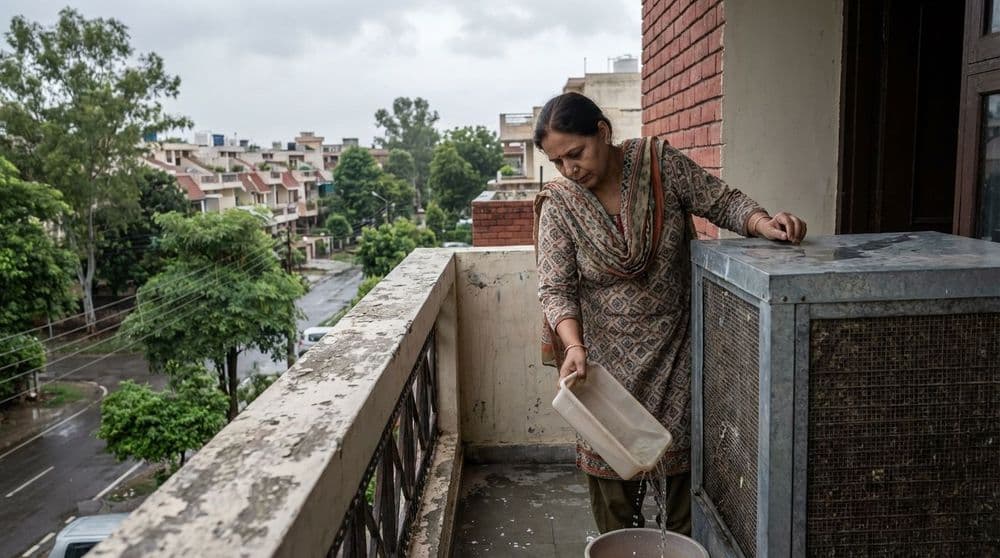
The familiar post-monsoon crispness in the Chandigarh air has been accompanied by a growing concern this year. As a city known for its greenery and planning, we are now facing a significant health challenge, as Chandigarh sees a rise in dengue cases after an extended monsoon. This unwelcome guest, the Aedes aegypti mosquito, has found perfect breeding grounds in the small pockets of stagnant water left behind by the prolonged rains, putting families across the tricity area at risk.
This situation isn't unique to us. Our neighbours in Delhi and Lucknow often face similar spikes in vector-borne diseases during this time. The typical dengue season in North India, from July to November, has been particularly harsh this year. But knowledge is our best defence. Understanding how to protect our homes, recognize the symptoms, and care for our loved ones can make all the difference. This comprehensive guide is here to help you navigate this challenging season and keep your family safe and healthy.
Why the Dengue Spike in Chandigarh This Year?
The primary reason for the surge in dengue cases is the weather. An extended monsoon season means more days of rainfall and higher humidity. This creates ideal conditions for the Aedes aegypti mosquito, the carrier of the dengue virus, to breed and multiply rapidly. These mosquitoes don't need large water bodies; a bottle cap full of water is enough for them to lay eggs.
Everyday items around our homes can become unintentional mosquito nurseries. Stagnant water in desert coolers, flowerpot trays, discarded tires, birdbaths, and even clogged drains are the main culprits. The longer water sits undisturbed, the higher the risk. This is a community-wide issue that requires collective action from every household in Chandigarh to break the mosquito breeding cycle.
Recognizing the Enemy: Dengue Symptoms as Cases Rise in Chandigarh
Knowing the signs of dengue fever is the first step towards timely medical intervention. The illness can range from mild to severe, and it's crucial to distinguish between early symptoms and critical warning signs. According to health authorities like the World Health Organization (WHO) and India's National Center for Vector Borne Diseases Control (NCVBDC), here’s what you need to watch out for.
Early Signs of Dengue
Most people with dengue experience flu-like symptoms 4 to 10 days after being bitten by an infected mosquito. These often include:
- Sudden High Fever: A fever that spikes quickly to 102-104°F (40°C) is a classic hallmark of dengue, as highlighted by Fortis Healthcare and WHO.
- Severe Headache: AIIMS notes that an intense headache is a common and debilitating symptom.
- Pain Behind the Eyes: This specific type of pain, known as retro-orbital pain, is a strong indicator of dengue.
- Severe Muscle and Joint Pain: Dengue is often called "breakbone fever" for a reason. The body aches can be extreme.
- Nausea and Vomiting: As per the Cleveland Clinic, feeling nauseous and vomiting are very common in the initial phase.
- Skin Rash: A red, spotty rash may appear on the body a few days after the fever starts.
Severe Dengue Warning Signs: A Medical Emergency
In some cases, the illness can progress to a more serious form called severe dengue or Dengue Hemorrhagic Fever. These warning signs usually appear 24-48 hours after the fever starts to subside and require immediate medical attention. The NCVBDC and Mayo Clinic list the following critical symptoms:
- Severe Abdominal Pain: Intense and persistent pain in the stomach.
- Persistent Vomiting: Frequent vomiting, sometimes with blood in it.
- Bleeding from Nose or Gums: Any unusual bleeding is a major red flag.
- Blood in Stools or Vomit: This indicates internal bleeding and is a severe complication.
- Sleepiness and Restlessness: A sudden change in mental state or behaviour.
- Difficulty Breathing: Shortness of breath or rapid breathing.
If you or a family member experiences any of these severe symptoms, do not wait. Go to the nearest hospital immediately.
Ghar Par Suraksha: Simple Steps to Prevent Dengue
Prevention is always better than cure, especially with dengue. Protecting your home and family requires a diligent, weekly routine. It’s about making our homes inhospitable for mosquitoes.
Eliminate Mosquito Breeding Grounds
- Check Coolers Weekly: Desert coolers are a major breeding spot. Drain the water, scrub the inside, and let it dry completely once a week.
- Clear Stagnant Water: Don't let water collect in flowerpot trays, old tires, buckets, or any open containers. Turn them upside down when not in use.
- Cover Water Tanks: Ensure all overhead and underground water tanks are securely covered.
- Maintain Your Drains: Keep your drains clean and unclogged to prevent water from stagnating.
Personal Protection is Key
- Wear Protective Clothing: Wear long-sleeved shirts and full-length pants to cover as much skin as possible, especially during early morning and late afternoon when Aedes mosquitoes are most active.
- Use Mosquito Repellent: Apply a good quality mosquito repellent on all exposed skin.
- Use Mosquito Nets: Sleep under a mosquito net, especially if you have young children or elderly family members at home.
- Install Window Screens: Use screens or mesh on doors and windows to keep mosquitoes out of the house.
Dengue Mein Kya Khayein? Diet and Home Care Tips
If someone in your family is diagnosed with dengue, proper home care, especially diet, is crucial for a speedy recovery. The focus should be on hydration and providing easily digestible, nutritious food.
Hydration is Paramount
Dengue can cause severe dehydration. It is vital to drink plenty of fluids throughout the day. This helps maintain blood pressure and platelet levels.
- Water: The simplest and most important.
- Coconut Water: It is rich in electrolytes and helps replenish lost fluids.
- ORS (Oral Rehydration Solution): Helps restore the body's fluid and salt balance.
- Fresh Juices: Juices of pomegranate, kiwi, and other fruits rich in Vitamin C can help boost immunity.
Boosting Immunity with Ghar ka Khana
Recovery from dengue requires energy, so a nourishing diet is essential. Focus on light meals that are easy on the stomach.
- Khichdi and Dalia: These are classic North Indian comfort foods for a reason. They are nutritious and easy to digest.
- Vegetable Soups: A warm bowl of soup provides both nutrients and hydration.
- Papaya and Pomegranate: These fruits are known to be beneficial for increasing platelet count.
- A Note on Desi Nuskhe: Many people believe in the power of papaya leaf juice or goat milk to increase platelet count. While these are popular home remedies, they are not a substitute for medical treatment. Always consult your doctor before trying any desi nuskhe to ensure they don't interfere with your treatment.
The Importance of Rest
The body needs to fight off the virus, and for that, it needs complete and total rest. Avoid any strenuous activity. Proper rest helps the body recover faster and aids in the regeneration of platelets.
When to See a Doctor: Don't Delay
If you suspect dengue, it's crucial to consult a doctor for a proper diagnosis. Blood tests like the NS1 Antigen test (which can detect dengue in the first few days) and IgM/IgG antibody tests are used to confirm the infection. Your doctor will monitor your platelet count and advise the right course of action.
Never self-medicate. Avoid painkillers like Aspirin, Ibuprofen, or other non-steroidal anti-inflammatory drugs (NSAIDs) as they can increase the risk of bleeding. Stick to Paracetamol for fever, but only as prescribed by your doctor.
As residents of Chandigarh, let's work together to combat this dengue outbreak. By staying informed, keeping our surroundings clean, and taking prompt action when needed, we can protect our beautiful city and the health of our loved ones.
Related reading
Top doctors in Chandigarh on Zospital
Verified specialists you can book in minutes.
- Book appointment

Dr. Naina Gupta
Oncologist
Varanasi
Verified•4 - Book appointment

Dr. Vishwanath Pratap Singh
General Surgeon
Varanasi
Verified•4.9 - Book appointment
Dr N. S . Paliwal
Rehabilitation Specialist
Lucknow
Verified - Book appointment

Dr. Divyansh Bhatt
Gastrologist / Gastroenterologist
Lucknow
Verified•4.9 - Book appointment

Dr. Shoeb Arif Khan
Orthopedic Surgeon
Lucknow
Verified•4.9 - Book appointment

Dr. Richa Gangwar
Gynecologist
Lucknow
Verified•4.9
Have More Questions?
Find quick answers to common questions about our services, appointments, and patient care.
The peak dengue season in North India typically runs from July to November, which coincides with the monsoon and post-monsoon months. This period provides ideal conditions for the Aedes mosquito to breed in stagnant water.
To avoid dengue, focus on preventing mosquito bites. Use an EPA-registered insect repellent, wear long-sleeved shirts and long pants, and ensure your sleeping area is secure, either by using an air conditioner or having screens on windows and doors.
Dengue fever is confirmed through blood tests. An NS1 antigen test is effective in the early days of the illness (first 5-7 days), while an IgM antibody test is used to detect the infection after that period. An RT-PCR test can also detect the virus's genetic material.
Based on recent reports, Karnataka has had the highest number of dengue cases in India. Other states like Tamil Nadu and Maharashtra also report a high incidence of the disease, though figures can vary by reporting period and season.
Private hospitals in Chandigarh on Zospital
Prefer a private option? These hospitals in Chandigarh list their doctors and take bookings.
- INDU NURSING HOME
- Healing Hospital | Best Maternity & Child Care Hospital in Chandigarh
- Grecian Hospital : Dr. Mukesh Goyal - Best Nephrologist in Mohali
Related Articles

Digital Health in India: A Revolution in Your Pocket
India is undergoing a massive digital health transformation. Discover the key trends like telemedicine and AI that are bridging gaps and making quality healthcare available to all.

Garbh Sanskar: Ancient Wisdom for Modern Pregnancy
An in-depth guide to the ancient Indian practice of Garbh Sanskar, detailing its benefits, core principles, and how to incorporate it into a modern pregnancy for holistic wellbeing.

Gen Z Health Trends in India: A Social Media Revolution
India's Gen Z is taking a digital-first approach to health, using social media to shape their fitness, diet, and mental wellness routines.
Last reviewed: 9 August 2026
Medical Disclaimer
The content provided on Zospital is for general informational and educational purposes only. It is not intended as a substitute for professional medical advice, diagnosis, or treatment. Always seek the advice of your physician or other qualified healthcare provider with any questions you may have regarding a medical condition. Never disregard professional medical advice or delay in seeking it because of something you have read on this website. If you think you may have a medical emergency, call your doctor or emergency services immediately.
Are you a doctor or run a clinic or hospital?
Patients across India are searching Zospital right now. Get a free profile with reviews, timings and direct WhatsApp bookings.