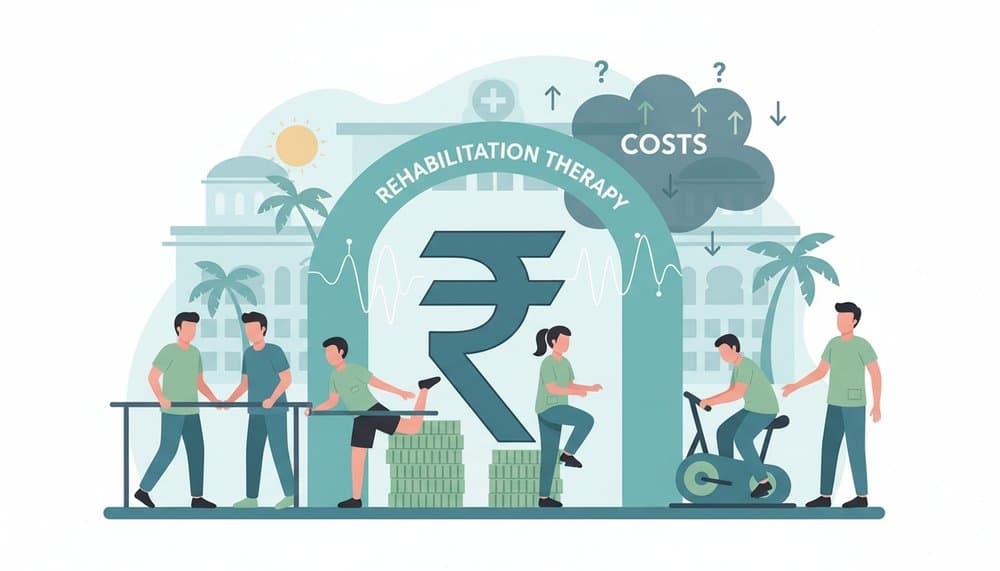
Rehabilitation Therapy Costs
Medically reviewed by Dr.Nikhil Singh, Anaesthesia, MBBS, MD
Last reviewed: 16 Aug 2026
Navigating the path to recovery after an injury, surgery, or illness can be a challenging journey for patients and their families. A crucial component of this journey is physical rehabilitation, encompassing therapies like physiotherapy and occupational therapy. For Indian patients and Non-Resident Indian (NRI) expats seeking care in India, understanding the landscape of rehabilitation services, including costs, timelines, and how to choose the right facility, is paramount.
This comprehensive guide provides practical information on physical therapy and rehabilitation in India, designed to empower you to make informed decisions for your or your loved one's recovery.
Understanding the Pillars of Rehabilitation: Physiotherapy and Occupational Therapy
While often used interchangeably, physiotherapy and occupational therapy play distinct yet complementary roles in a patient's recovery.
- Physiotherapy (PT): Focuses on restoring movement and function. A physiotherapist works to alleviate pain, improve strength, flexibility, and mobility. This is achieved through techniques like manual therapy, therapeutic exercises, and electrotherapy. PT is critical after orthopedic surgeries, in managing neurological conditions, and for sports injuries.
- Occupational Therapy (OT): Focuses on enabling patients to perform daily activities (or "occupations") independently and safely. An occupational therapist helps individuals regain skills needed for self-care (like bathing, dressing), work, and leisure. This can involve adapting the environment, using assistive devices, and retraining motor and cognitive skills. OT is particularly vital for stroke survivors, children with developmental delays, and individuals with cognitive impairments.
A comprehensive rehabilitation plan often involves a multidisciplinary team that includes physiatrists (rehabilitation doctors), physiotherapists, occupational therapists, speech therapists, psychologists, and nutritionists.
The Cost of Rehabilitation in India: A Detailed Breakdown
India offers high-quality rehabilitation services at costs that are significantly lower than in Western countries like the USA, UK, or UAE, often by 60-85%. However, costs can vary widely based on the city, the type of facility, the required intensity of therapy, and whether you choose inpatient or outpatient services.
Per-Session Therapy Costs
For patients who are medically stable and can travel or receive care at home, therapy is often delivered on a per-session basis. Home visits are typically priced higher to account for the therapist's travel time and personalized attention.
Indicative Per-Session Physiotherapy & Occupational Therapy Costs (2026)
Service — Tier 1 Cities (e.g., Mumbai, Delhi, Bengaluru) — Tier 2 & 3 Cities (e.g., Pune, Jaipur, Lucknow)
Physiotherapy (Clinic) — ₹800 – ₹2,500 — ₹500 – ₹1,200
Physiotherapy (Home Visit) — ₹1,000 – ₹3,000 — ₹800 – ₹1,500
Occupational Therapy (Clinic/Home) — ₹800 – ₹2,500 — ₹700 – ₹2,000
Specialised Therapy (e.g., Neuro, Robotics) — ₹3,000 – ₹15,000 (per session for intensive neuro rehab) — Varies significantly by facility
Note: Prices are indicative and can vary. Many clinics offer discounted packages for 10, 15, or 30 sessions, which can reduce the per-session cost by 5-15%.
Inpatient Rehabilitation Costs
For patients with severe impairments, such as after a major stroke or spinal cord injury, inpatient rehabilitation is often recommended. This provides a structured environment with 24/7 nursing care and intensive, multidisciplinary therapy.
Indicative Monthly Inpatient Rehabilitation Costs (2026)
Type of Rehabilitation — Cost per Month (INR) — Key Inclusions
Neurological Rehabilitation (e.g., Stroke, Brain Injury) — ₹90,000 – ₹4,00,000+ — Room, nursing care, intensive physiotherapy, occupational therapy, speech therapy, medical supervision.
Orthopedic Rehabilitation (e.g., Post-Complex Surgery) — ₹50,000 – ₹2,50,000 — Room, nursing, daily physiotherapy, pain management, mobility training.
Cardiac Rehabilitation — ₹30,000 – ₹80,000 (often structured as monthly programs) — Monitored exercise, diet consultation, stress management, patient education.
Spinal Cord Injury Rehabilitation — ₹1,50,000 – ₹5,00,000+ — Highly specialized care, advanced therapies, assistive technology training, psychological support.
Note: Costs are influenced by the level of medical care required, the use of advanced technologies like robotics, and the choice of a private room.
Inpatient vs. Outpatient Rehabilitation: Making the Right Choice
Deciding between an inpatient facility and outpatient (or home-based) care is a critical step.
- Inpatient Rehabilitation is generally recommended for:
- Patients with severe functional deficits who cannot care for themselves.
- Individuals requiring intensive, daily therapy from multiple disciplines (e.g., 3+ hours a day).
- Patients with complex medical needs requiring round-the-clock nursing and medical supervision.
- Those who live in an environment that is not conducive to recovery (e.g., no caregiver support, inaccessible home).
- Outpatient/Home-Based Rehabilitation is suitable for:
- Medically stable patients who can safely live at home.
- Individuals with a supportive home environment and available caregivers.
- Patients who require less intensive therapy (e.g., a few sessions per week).
- Those who need to balance rehabilitation with work or family life.
For NRIs arranging care for elderly parents, a short-term inpatient stay followed by a transition to structured home care is a common and effective model. This ensures initial stability and intensive therapy, followed by continued recovery in a familiar environment.
Recovery Timelines: A General Guide
Recovery is not a linear process and varies for every individual based on the severity of the condition, age, pre-existing health issues, and the intensity of rehabilitation. The following table provides a general overview of what to expect for common conditions.
Typical Rehabilitation Timelines & Focus
Condition — Phase 1: Early Recovery (0-4 Weeks) — Phase 2: Strengthening & Function (4-12 Weeks) — Phase 3: Long-Term Recovery (3+ Months)
Total Knee/Hip Replacement — Focus: Pain control, reducing swelling, gentle range of motion, safe walking with support (walker/crutches). Timeline: Daily PT in the first 1-2 weeks. — Focus: Progressive strengthening, improving balance, transitioning off support aids, practicing daily activities (stairs, getting in/out of a car). Timeline: 3-4 PT sessions per week. — Focus: Advanced strengthening, return to recreational activities, endurance training. Full recovery can take 8-12 weeks or more.
ACL Reconstruction — Focus: Protecting the graft, managing pain/swelling, regaining knee extension, quadriceps activation. — Focus: Restoring full range of motion, building strength and control, normalizing walking pattern. Timeline: Structured PT is crucial. — Focus: Sport-specific drills, agility and plyometric training, return-to-sport testing. Full return to sport can take 9-12 months.
Stroke (Ischemic/Hemorrhagic) — Focus: Medical stability, preventing complications, early mobilization, swallowing assessment, basic self-care (ADLs) with assistance. — Focus: Intensive, repetitive, task-specific training. Focus on walking, arm/hand function, speech, and cognitive exercises. Timeline: Most rapid recovery occurs in the first 3-6 months. — Focus: Community reintegration, advanced mobility, vocational training, managing long-term spasticity and tone. Recovery can continue for years.
Spinal Cord Injury — Focus: Medical stabilization, respiratory management, preventing pressure sores, early mobilization, and learning basic transfers. — Focus: Intensive PT/OT to maximize strength in functioning muscles, wheelchair skills, bowel/bladder management, self-care training. — Focus: Advanced mobility (transfers, driving), vocational rehabilitation, community access, use of adaptive technologies. This is a lifelong process of adaptation and health management.
A Practical Framework for Choosing a Rehabilitation Centre
Selecting the right facility is arguably the most critical decision in the recovery process. An ill-fitting choice can delay progress, while a well-chosen one can be transformative. Use this framework to evaluate potential centers.
Decision-Making Checklist for Selecting a Rehab Centre:
1. Accreditation and Licensing:
- Question: Is the facility accredited by the National Accreditation Board for Hospitals & Healthcare Providers (NABH) or JCI? Is it registered with the state health authorities?
- Why it Matters: Accreditation ensures the center meets stringent standards for clinical care, safety, and governance.
2. The Clinical Team:
- Question: Who is on the rehabilitation team? Ask for the names and qualifications of the physiatrist, physiotherapists, occupational therapists, etc. What is the therapist-to-client ratio?
- Why it Matters: A qualified, experienced, and multidisciplinary team is the backbone of effective care. A low therapist-to-patient ratio ensures personalized attention.
3. Personalised Treatment Plans:
- Question: Do they create customized treatment plans based on a thorough initial assessment? Or do they use a "one-size-fits-all" approach?
- Why it Matters: Every patient's needs are unique. A personalized plan targets specific goals and leads to better outcomes.
4. Evidence-Based Therapies:
- Question: What treatment modalities and technologies do they use? Do they offer evidence-based practices like Cognitiv
Written by
Top Anesthesiologist doctors in Lucknow on Zospital
Verified specialists you can book in minutes.
- Book appointment

Dr. Sanni Deyol Gautam
Anesthesiologist
Lucknow
4.8 - Book appointment

Dr Karanvir Singh Sidhu
Anesthesiologist
Lucknow
4.8 - Book appointment

Dr Harpreet Kaur
Anesthesiologist
Lucknow
4.8 - Book appointment
Dr. Akshat Trivedi
Anesthesiologist
Lucknow
4.5 - Book appointment
Dr. Praful Srivastava
Anesthesiologist
4.8 - Book appointment

Dr. Mohd. Ruheel Khan
Anesthesiologist
Faizabad

“Your Health, Our Priority. Your Voice, Our Guide”
Dr.Nikhil Singh
Anaesthesia, MBBS, MD
Private hospitals in Lucknow on Zospital
Prefer a private option? These hospitals in Lucknow list their doctors and take bookings.
See all hospitals in LucknowRelated Articles

Remote Patient Monitoring NRI India
## A Comprehensive Guide to Remote Patient Monitoring in India for NRIs As a Non-Resident Indian (NRI), managing chronic health conditions or the well-being of elderly parents back in India can be a

R. G. Kar Medical College and Hospital, Kolkata: OPD Appointment and Costs
A detailed guide on how to get an OPD appointment, registration process, treatment costs, and financial assistance available at R. G. Kar Medical College and Hospital in Kolkata.
RIMS Imphal: OPD Appointment, Registration, and Fees
A detailed guide on how to get an appointment, OPD registration process, consultation timings, treatment costs, and financial assistance schemes available at the Regional Institute of Medical Sciences (RIMS), Imphal.
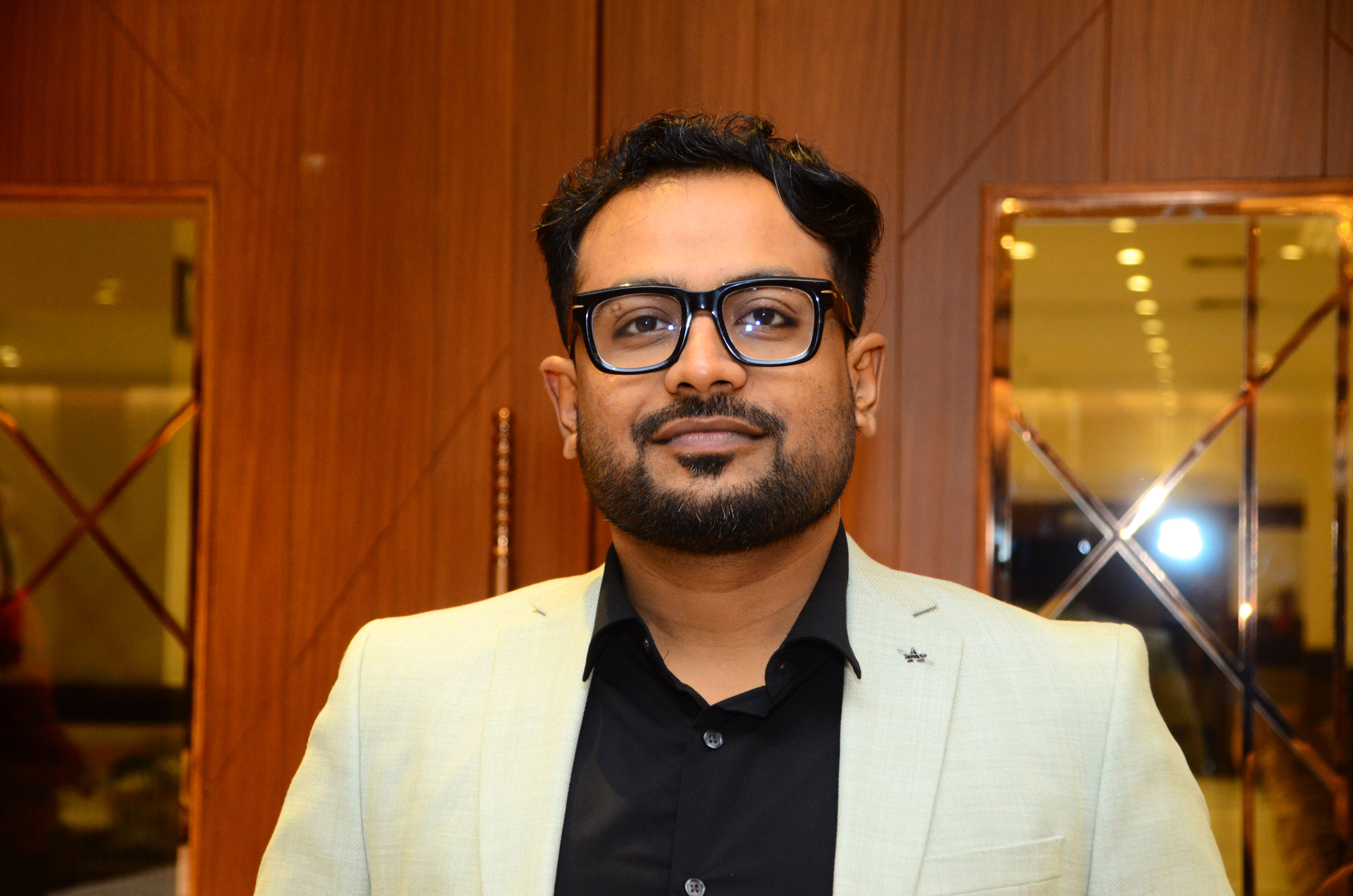
Written by Dr.Nikhil Singh
Anaesthesia, MBBS, MD
Last reviewed: 16 August 2026
Medical Disclaimer
The content provided on Zospital is for general informational and educational purposes only. It is not intended as a substitute for professional medical advice, diagnosis, or treatment. Always seek the advice of your physician or other qualified healthcare provider with any questions you may have regarding a medical condition. Never disregard professional medical advice or delay in seeking it because of something you have read on this website. If you think you may have a medical emergency, call your doctor or emergency services immediately.
Are you a doctor or run a clinic or hospital?
Patients across India are searching Zospital right now. Get a free profile with reviews, timings and direct WhatsApp bookings.