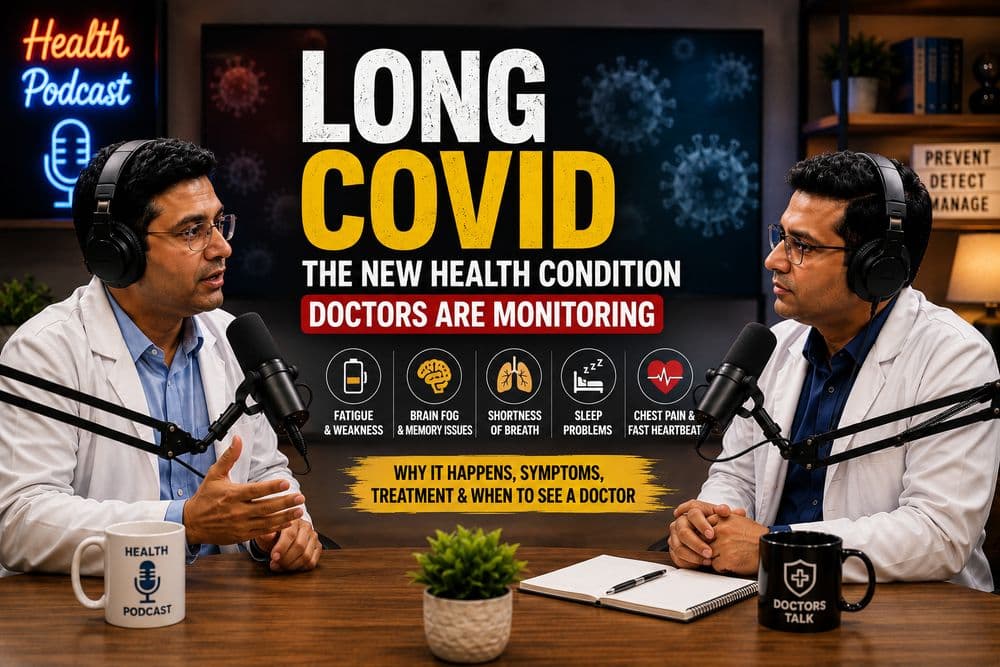
Long COVID – The New Health Condition Doctors Are Monitoring
Medically reviewed by Dr.Nikhil Singh, Anaesthesia, MBBS, MD
Last reviewed: 17 Aug 2026
Introduction
Even after recovering from COVID-19 infection, many people continue experiencing health problems for weeks or even months. This condition is now commonly known as Long COVID or Post-COVID Condition.
Doctors and healthcare organizations worldwide are closely monitoring Long COVID because it can affect multiple organs and significantly impact daily life. Some people continue experiencing fatigue, breathing difficulty, brain fog, body pain, and weakness long after the original infection has resolved.
The World Health Organization (WHO) and global health experts now recognize Long COVID as an important ongoing health concern. (who.int)
What Is Long COVID?
Long COVID refers to symptoms that continue or develop after recovering from COVID-19 infection.
According to WHO, symptoms usually persist for:
- Weeks
- Several months
- Sometimes longer
These symptoms may affect:
- Physical health
- Mental health
- Daily activities
- Work performance
Why Are Doctors Concerned About Long COVID?
Doctors are monitoring Long COVID closely because:
- Symptoms may affect multiple body systems
- Some patients experience reduced quality of life
- Recovery can vary from person to person
- Symptoms may continue even after mild COVID infection
Research regarding Long COVID is still ongoing globally.
Common Symptoms of Long COVID
1. Extreme Fatigue
Persistent tiredness is one of the most commonly reported symptoms.
2. Brain Fog
Many people report:
- Poor concentration
- Forgetfulness
- Mental confusion
- Difficulty focusing
3. Shortness of Breath
Breathing discomfort may continue after recovery in some individuals.
4. Body Pain and Weakness
Muscle pain, joint pain, and body weakness can persist for weeks.
5. Sleep Problems
Some people experience:
- Poor sleep quality
- Disturbed sleep
- Excessive daytime tiredness
6. Fast Heartbeat or Chest Discomfort
Some patients report palpitations or chest heaviness during recovery.
7. Anxiety and Mood Changes
Mental health symptoms may also develop after COVID infection.
Can Long COVID Affect People Who Had Mild COVID?
Yes.Long COVID can occur even in individuals who had mild initial COVID symptoms and did not require hospitalization.
WHO reports that persistent symptoms can affect different age groups and severity levels.
Which Organs Can Long COVID Affect?
Long COVID may affect:
- Lungs
- Heart
- Brain
- Nervous system
- Muscles and joints
Some people may experience symptoms involving multiple body systems together.
Why Does Long COVID Happen?
The exact cause is still being studied. Experts believe possible reasons may include:
- Ongoing inflammation
- Immune system changes
- Organ damage after infection
- Nervous system involvement
Research is continuing worldwide to better understand the condition.
How Long Can Long COVID Last?
Recovery varies from person to person.
Some individuals improve within weeks, while others may continue experiencing symptoms for several months.
Who May Be at Higher Risk?
Some studies suggest higher risk in:
- Older adults
- Individuals with severe COVID infection
- People with existing health conditions
- Individuals with repeated infections
However, Long COVID may affect otherwise healthy people as well.
How Is Long COVID Diagnosed?
Doctors usually evaluate:
- Previous COVID history
- Persistent symptoms
- Physical examination
- Blood tests or imaging if needed
There is currently no single test specifically for Long COVID.
Can Long COVID Be Treated?
Treatment mainly focuses on symptom management and recovery support.
Doctors may recommend:
- Proper rest
- Physical rehabilitation
- Breathing exercises
- Healthy nutrition
- Sleep improvement
- Mental health support
Treatment varies depending on symptoms.
When Should Someone See a Doctor?
Medical advice is important if symptoms continue after COVID recovery, especially:
- Severe fatigue
- Chest pain
- Breathing difficulty
- Memory problems
- Dizziness
- Persistent weakness
Early evaluation may help improve recovery and quality of life.
Growing Global Health Concern
Healthcare experts worldwide continue monitoring Long COVID because millions of people have experienced lingering symptoms after the pandemic.
WHO and research organizations are still studying:
- Long-term complications
- Best treatment approaches
- Rehabilitation methods
- Prevention strategies
(who.int)
Conclusion
Long COVID has emerged as an important post-pandemic health condition affecting many people globally. Persistent fatigue, breathing problems, brain fog, and body weakness are some commonly reported symptoms.
Although research is still ongoing, awareness, timely medical evaluation, and proper recovery care are important for managing Long COVID effectively.Source of Data
This article is based on WHO information regarding Post-COVID Condition (Long COVID) and ongoing global medical research.
Official Source:WHO – Post COVID-19 Condition (Long COVID)
Related reading
Written by
Top Anesthesiologist doctors in Lucknow on Zospital
Verified specialists you can book in minutes.
- Book appointment

Dr. Sanni Deyol Gautam
Anesthesiologist
Lucknow
4.8 - Book appointment

Dr Karanvir Singh Sidhu
Anesthesiologist
Lucknow
4.8 - Book appointment

Dr Harpreet Kaur
Anesthesiologist
Lucknow
4.8 - Book appointment

Dr. Akshat Trivedi
Anesthesiologist
Lucknow
4.5 - Book appointment

Dr. Praful Srivastava
Anesthesiologist
4.8 - Book appointment

Dr. Mohd. Ruheel Khan
Anesthesiologist
Faizabad
Have More Questions?
Find quick answers to common questions about our services, appointments, and patient care.
Long COVID refers to symptoms that continue for weeks or months after recovering from COVID-19 infection.
Common symptoms include fatigue, breathing difficulty, brain fog, body pain, sleep problems, and weakness.
Yes. Even people with mild COVID symptoms may develop Long COVID.
Symptoms may last for weeks or several months depending on the individual.
In some cases, Long COVID may significantly affect daily activities and overall health, especially if symptoms are severe

“Your Health, Our Priority. Your Voice, Our Guide”
Dr.Nikhil Singh
Anaesthesia, MBBS, MD
Private hospitals in Lucknow on Zospital
Prefer a private option? These hospitals in Lucknow list their doctors and take bookings.
See all hospitals in LucknowRelated Articles

Menstrual Cramps: Normal Pain or a Warning Sign?
A guide for North Indian women to distinguish normal menstrual cramps from severe period pain that could indicate underlying health issues, with tips for management.

Monkeypox Is Now Called Mpox – Why WHO Changed the Name
Monkeypox is now officially called Mpox. Learn why WHO changed the name, what Mpox means, and how the new terminology helps reduce stigma and confusion.

New WHO Update on Climate Change and Health Risks: What People Should Know
The World Health Organization (WHO) continues to highlight how climate change is increasing health risks worldwide. Learn how rising temperatures, heatwaves, air pollution, and extreme weather can affect human health.

Written by Dr.Nikhil Singh
Anaesthesia, MBBS, MD
Last reviewed: 17 August 2026
Medical Disclaimer
The content provided on Zospital is for general informational and educational purposes only. It is not intended as a substitute for professional medical advice, diagnosis, or treatment. Always seek the advice of your physician or other qualified healthcare provider with any questions you may have regarding a medical condition. Never disregard professional medical advice or delay in seeking it because of something you have read on this website. If you think you may have a medical emergency, call your doctor or emergency services immediately.
Are you a doctor or run a clinic or hospital?
Patients across India are searching Zospital right now. Get a free profile with reviews, timings and direct WhatsApp bookings.