Google Before Doctor? How the Internet Shapes Health in India
Medically reviewed by Dr.Nikhil Singh, Anaesthesia, MBBS, MD
Last reviewed: 9 Aug 2026
Google Before Doctor? How the Internet is Changing the Doctor-Patient Relationship in North India
It's a familiar scene in many North Indian households. A sudden cough, a lingering headache, or a child's fever, and the first instinct is no longer to call a relative for a desi nuskha (home remedy), but to reach for the smartphone. "Google, what are the symptoms of dengue?" This immediate access to a world of medical information has fundamentally altered our healthcare journey. This article explores the profound impact of the internet on the doctor-patient relationship, a shift felt keenly in cities from Delhi to Lucknow.
The internet is a double-edged sword. On one hand, it can create a more informed and engaged patient. On the other, it can lead to a rabbit hole of anxiety, misinformation, and what is now popularly termed 'cyberchondria'. A 2020 study published in the International Journal of Basic & Clinical Pharmacology confirmed this, noting that a majority of doctors felt the "use of internet as a source of information has affected doctor-patient relationship."
The Rise of the Empowered (and Anxious) Patient
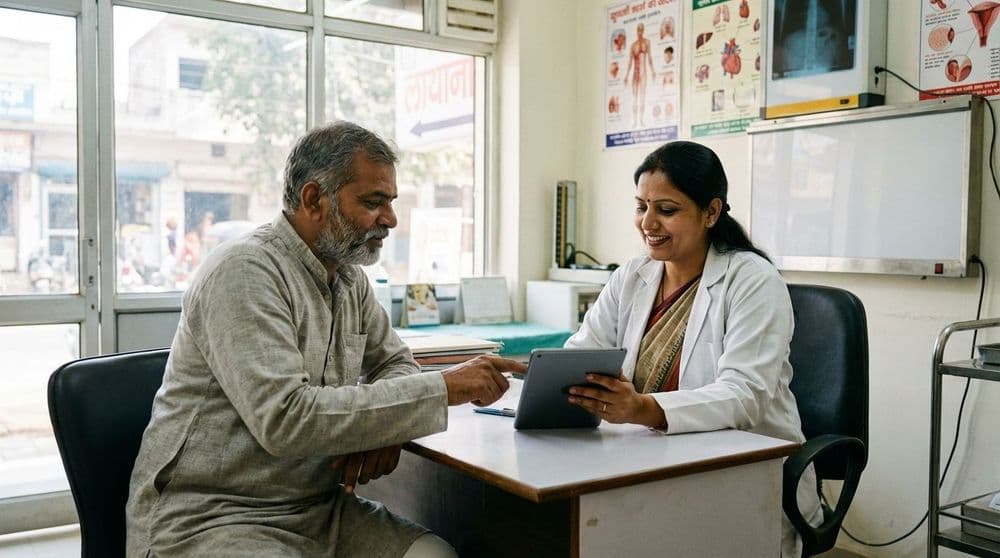
The dynamic in the consultation room has changed. Patients no longer arrive as passive recipients of information. They come armed with printouts, phone screenshots, and a vocabulary of medical terms gleaned from hours of online research. This presents both opportunities and challenges.
A Welcome Change: The Involved Patient
Many doctors appreciate a patient who takes an active interest in their health. According to data from ResearchGate, a significant percentage of doctors (60%) stated that a "patient's Internet use proves that the patient or his/her family are involved and take responsibility." An informed patient can ask more specific questions, understand their treatment options better, and are often more compliant with medical advice. For instance, someone in Ghaziabad researching the effects of winter pollution on asthma is more likely to use their inhaler correctly and take preventative measures.
The Downside: Misinformation and Anxiety
The internet does not have a quality filter. A search for 'headache' can yield results ranging from dehydration to a brain tumor, causing immense and often unnecessary stress. This can strain the doctor-patient relationship in several ways:
- Challenging Expertise: Patients might challenge a doctor's diagnosis based on something they read on an unverified blog, leading to a breakdown in trust.
- Requesting Unnecessary Tests: Fueled by online symptom checkers, patients may insist on expensive and needless tests, putting a strain on both their finances and the healthcare system.
- Self-Medication: Finding a 'quick fix' online can lead to dangerous self-medication without understanding the risks or contraindications.
As the Indian Journal of Medical Ethics points out, this free access to online information may widen the scope of the doctor's legal duty to sensitively inquire about the patient's sources of information.
Bridging the Digital Divide: Tips for a Better Partnership
Instead of viewing the internet as a threat, both patients and doctors can adapt to this new reality to foster a stronger, more collaborative relationship. The goal is to combine the patient's newfound knowledge with the doctor's years of expertise.
For Patients: How to Be a Smart Online Researcher
- Check Your Sources: Stick to reputable websites. Look for information from government health bodies (like NIH), major hospital websites, and established medical journals instead of forums or personal blogs.
- Information, Not Diagnosis: Use the internet to gather information and formulate questions, not to self-diagnose. Your unique medical history, lifestyle, and a physical examination are things a search engine cannot account for.
- Create a Question List: Before your visit to the clinic in Varanasi or Kanpur, jot down the key questions and concerns that arose from your research. This makes your consultation more efficient and productive.
- Be Honest with Your Doctor: Tell your doctor what you've read online and what's worrying you. This opens a dialogue and allows them to address your fears with expert knowledge, correcting any misinformation you may have encountered.
For Doctors: Embracing the Informed Patient
- Listen Empathetically: Acknowledge the patient's research and concerns without being dismissive. This validates their effort and builds trust.
- Guide and Educate: Point patients towards reliable online resources. You can recommend specific websites or articles for further reading.
- Explain the 'Why': Take a moment to explain why their online diagnosis might not fit their clinical picture. Explaining the reasoning behind your diagnosis can be more effective than simply dismissing their fears.
The internet is here to stay as a major player in our health. By navigating it wisely, it can transform from a source of anxiety into a powerful tool for health literacy. The ultimate aim is to foster a relationship where an informed patient and an expert doctor work together as a team for the best possible health outcome.
Experiencing persistent symptoms and need trusted guidance? Consult Dr. Numan Uz Zaman Khan, a leading General Physician in your area. Book Appointment
Related reading
Written by
Top Anesthesiologist doctors in Lucknow on Zospital
Verified specialists you can book in minutes.
- Book appointment

Dr. Sanni Deyol Gautam
Anesthesiologist
Lucknow
4.8 - Book appointment

Dr Karanvir Singh Sidhu
Anesthesiologist
Lucknow
4.8 - Book appointment

Dr Harpreet Kaur
Anesthesiologist
Lucknow
4.8 - Book appointment

Dr. Akshat Trivedi
Anesthesiologist
Lucknow
4.5 - Book appointment

Dr. Praful Srivastava
Anesthesiologist
4.8 - Book appointment

Dr. Mohd. Ruheel Khan
Anesthesiologist
Faizabad
Have More Questions?
Find quick answers to common questions about our services, appointments, and patient care.
Not necessarily. Being informed can be helpful. However, you should use reliable sources and treat the information as a basis for a discussion with your doctor, not as a final diagnosis. Never self-medicate based on online information.
Look for information from the Ministry of Health and Family Welfare, the Indian Council of Medical Research (ICMR), websites of major hospitals (e.g., AIIMS, Apollo), and established international sources like the World Health Organization (WHO) or the National Institutes of Health (NIH).
Calmly explain your concerns and ask the doctor to elaborate on their diagnosis and why it differs from what you read. Good communication is key. If you feel consistently unheard, it is always your right to seek a second opinion.

“Your Health, Our Priority. Your Voice, Our Guide”
Dr.Nikhil Singh
Anaesthesia, MBBS, MD
Private hospitals in Lucknow on Zospital
Prefer a private option? These hospitals in Lucknow list their doctors and take bookings.
See all hospitals in LucknowRelated Articles
Long COVID – The New Health Condition Doctors Are Monitoring
Long COVID is a condition in which symptoms continue for weeks or months after COVID-19 infection. Learn symptoms, causes, and why doctors are monitoring it closely.

Menstrual Cramps: Normal Pain or a Warning Sign?
A guide for North Indian women to distinguish normal menstrual cramps from severe period pain that could indicate underlying health issues, with tips for management.
Monkeypox Is Now Called Mpox – Why WHO Changed the Name
Monkeypox is now officially called Mpox. Learn why WHO changed the name, what Mpox means, and how the new terminology helps reduce stigma and confusion.

Written by Dr.Nikhil Singh
Anaesthesia, MBBS, MD
Last reviewed: 9 August 2026
Medical Disclaimer
The content provided on Zospital is for general informational and educational purposes only. It is not intended as a substitute for professional medical advice, diagnosis, or treatment. Always seek the advice of your physician or other qualified healthcare provider with any questions you may have regarding a medical condition. Never disregard professional medical advice or delay in seeking it because of something you have read on this website. If you think you may have a medical emergency, call your doctor or emergency services immediately.
Are you a doctor or run a clinic or hospital?
Patients across India are searching Zospital right now. Get a free profile with reviews, timings and direct WhatsApp bookings.