Emergency & Urgent Care: Complete Guide
Medically reviewed by Dr.Nikhil Singh, Anaesthesia, MBBS, MD
Last reviewed: 16 Aug 2026
Navigating Medical Crises Abroad: A Comprehensive Emergency and Urgent Care Guide for Indian Citizens and NRIs
A medical emergency is a deeply distressing event, more so when it occurs in a foreign land. For Indians traveling abroad and the global NRI community, navigating unfamiliar healthcare systems, language barriers, and financial complexities during a crisis can be overwhelming. This guide serves as a comprehensive resource to prepare for and manage medical emergencies and urgent care needs when away from home.
Section 1: Understanding and Accessing Emergency Care Worldwide
The first step in any emergency is to get help swiftly. However, the access points and protocols for emergency services vary significantly across the globe.
Emergency Numbers: Your First Port of Call
While India is moving towards a single emergency number, 112, this is not a universal standard. It is crucial to know the specific emergency numbers for your destination. While some countries have a single number for all emergencies, others have separate numbers for police, fire, and ambulance services.
Key Global Emergency Numbers:
- 112: This is the standard emergency number for the European Union and is also used in many other countries, including the UK, Switzerland, and India.
- 911: This is the emergency number for the United States, Canada, and Mexico.
- 999: Used in the United Kingdom and several other countries like the UAE and Seychelles.
- 000: The emergency number in Australia.
It's advisable to save the local emergency numbers for your destination in your phone before you travel.
Urgent Care vs. Emergency Room: Making the Right Choice
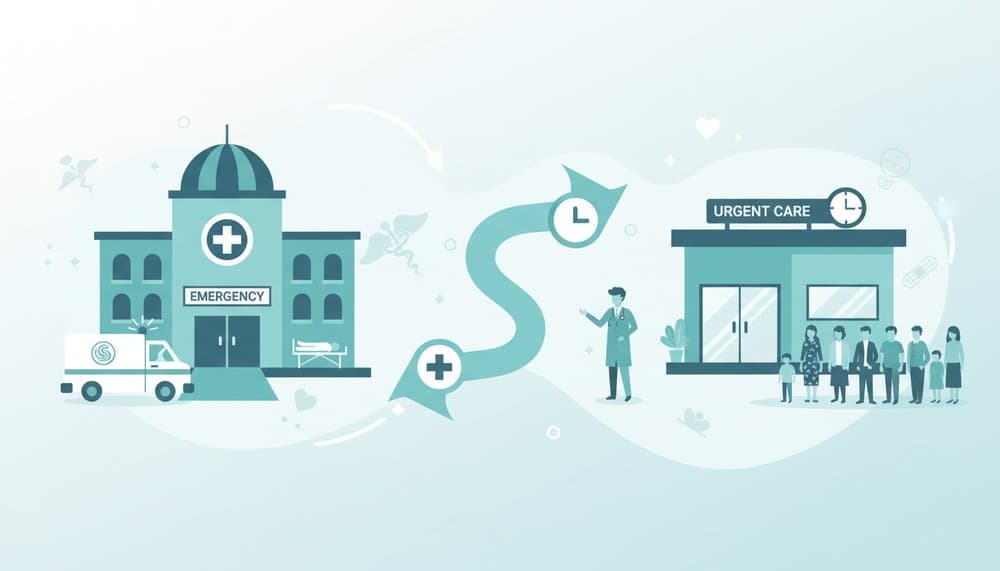
Understanding the distinction between urgent care and an emergency room (ER) can save you time and money.
- Emergency Rooms (ERs) are for life-threatening conditions that could result in the loss of life or a limb. They are typically open 24/7 and are legally obligated to stabilize any patient with an urgent medical need. However, wait times can be long and costs are significantly higher.
- Urgent Care Centers are suitable for non-life-threatening illnesses and injuries that require prompt attention but are not severe enough for an ER visit. They offer a more affordable and faster alternative for conditions like minor cuts, fevers, and sprains. However, their operating hours are usually limited.
Section 2: Managing a Medical Emergency from a Distance
When a loved one falls ill in another country, the distance can feel immense. Here’s how you can manage the situation effectively from afar.
Communication is Key:
- Establish a Point of Contact: Designate one family member as the primary point of contact to streamline communication with the hospital and the patient.
- Leverage Technology: Use video calls and messaging apps to stay connected with your loved one and get visual updates on their condition.
- Overcome Language Barriers: If there's a language barrier, request a translator from the hospital or use translation apps. Your embassy may also be able to provide a list of local interpreters.
The Role of the Indian Embassy and Consulates:
Indian embassies and consulates can be a vital resource during a medical emergency. While they cannot pay for medical bills, they can:
- Provide a list of local doctors and hospitals.
- Assist in contacting family members back home.
- Help with the issuance of emergency travel documents if a passport is lost.
- Offer guidance on local laws and procedures.
- In certain exceptional cases, provide financial assistance through the Indian Community Welfare Fund (ICWF).
You can find the contact details of all Indian missions abroad on the Ministry of External Affairs website and through the MADAD portal.
Section 3: Navigating Foreign Hospitals and Healthcare Procedures
Being in a hospital in a foreign country can be a disorienting experience. Understanding some common procedures and your rights as a patient can help you feel more in control.
Triage in the Emergency Room:
Upon arrival at an ER, a process called triage is used to assess the severity of a patient's condition and prioritize treatment. Most modern triage systems use a 5-level scale, such as the Manchester Triage System (MTS) or the Emergency Severity Index (ESI). This means that patients with more critical conditions are seen first, regardless of their time of arrival.
Informed Consent:
Informed consent is a fundamental patient right, meaning you should receive clear information about any proposed treatment, its risks, and alternatives before you agree to it. In an emergency where the patient is unable to consent, medical professionals will typically proceed with life-saving treatment. For non-emergency situations, you have the right to refuse treatment.
The Role of Family in Medical Decisions:
The extent to which family is involved in medical decision-making can vary across cultures. While in some cultures, the decision-making process is very individualistic, in others, family plays a more significant role. It's important to communicate your preferences to the medical team.
Section 4: The Financial Realities of a Medical Emergency Abroad
The cost of emergency medical care can be exorbitant in many countries, particularly for those without adequate insurance coverage.
A Glimpse into Global Healthcare Costs:
Medical costs vary dramatically from one country to another. The United States is known for having some of the highest healthcare costs in the world. For instance, an overnight hospital stay can cost thousands of dollars. In contrast, countries like Thailand and India offer more affordable healthcare options.
Comparative Costs of Medical Procedures (Approximate):
Procedure/Service — USA (USD) — UK (USD) — Australia (USD) — India (USD) — Thailand (USD)
MRI Scan — $1,497 - $4,054 — - — $288 — $481 — -
Hospital Stay (per night) — $2,000 - $4,000 — $629 (Avastin drug cost for comparison) — $700 — - — $100 - $300
Heart Bypass Surgery — $89,094 — - — $17,741 — $5,000 - $7,500 — $12,900
Knee Replacement — $28,200 — - — - — $5,000 — $9,900
Note: These are approximate costs and can vary based on the hospital, city, and specific medical needs. Data is compiled from various sources and should be used as a general guide.
The Critical Role of Insurance:
Travel and international health insurance are not luxuries but necessities when traveling abroad. Most domestic health insurance policies, including those for Indian residents, do not provide coverage overseas.
- What to Look for in a Policy:
- Emergency Medical Coverage: This should cover hospitalization, surgery, and doctor's fees.
- Medical Evacuation and Repatriation: This is crucial as the cost of an air ambulance can be astronomical.
- Pre-existing Conditions: Be transparent about any pre-existing medical conditions and ensure your policy covers them.
- Cashless Facility: A policy that offers a cashless facility can save you from the hassle of paying upfront and claiming reimbursement later.
The Insurance Claim Process:
- Contact your insurance provider immediately: Most insurers have a 24/7 helpline.
- Provide all necessary details: This includes your policy number, a description of the emergency, and your location.
- Keep all documents: This includes medical reports, bills, and receipts.
- Follow the insurer's instructions: They will guide you on the next steps, whether it's a cashless process or reimbursement.
Section 5: Emergency Medical Evacuation
In severe cases, a medical evacuation to a better-equipped facility or back to India may be necessary.
When is Evacuation Necessary?
Evacuation is typically considered when the local medical facilities are inadequate to treat the patient's condition. This could be due to a lack of specialized equipment, expertise, or a life-threatening situation requiring advanced care.
The High Cost of Evacuation:
Medical evacuation is extremely expensive, with costs ranging from tens of thousands to hundreds of thousands of dollars, depending on the location, the patient's condition, and the type of transport required. An air ambulance from the UAE to the U.S. can cost approximately $186,200, while a transfer from India to the U.S. could range from $220,000 to $350,000, especially during a health crisis. Even non-emergency medical transport on a commercial flight with a nurse can cost between $20,000 and $35,000 from Asia to the U.S.
The Evacuation Process:
- Medical Assessment: A medical team will assess the patient's condition and determine if an evacuation is necessary.
- Coordination: The insurance company or a specialized medical assistance company will coordinate the logistics, including arranging for the aircraft, medical crew, and receiving hospital.
- Transportation: The patient will be transported via an air ambulance, which is essentially a flying intensive care unit, or a commercial flight with a medical escort.
Section 6: A Framework for Critical Decision-Making
In the midst of a medical emergency, it can be difficult to think clearly. This framework can help guide your decisions.
The 4-A's Decision Framework:
- Assess the Situation:
- Is the condition life-threatening?
- What are the immediate symptoms?
- Is the person conscious and able to communicate?
- Access Help:
- Call the local emergency number immediately.
- Contact your travel insurance provider's 24/7 helpline.
- Inform the nearest Indian embassy or consulate.
- Act at the Hospital:
- Provide the medical team with all relevant information (medical history, allergies, current medications).
- Request
Written by
Top Anesthesiologist doctors in Lucknow on Zospital
Verified specialists you can book in minutes.
- Book appointment

Dr. Sanni Deyol Gautam
Anesthesiologist
Lucknow
4.8 - Book appointment

Dr Karanvir Singh Sidhu
Anesthesiologist
Lucknow
4.8 - Book appointment

Dr Harpreet Kaur
Anesthesiologist
Lucknow
4.8 - Book appointment

Dr. Akshat Trivedi
Anesthesiologist
Lucknow
4.5 - Book appointment

Dr. Praful Srivastava
Anesthesiologist
4.8 - Book appointment

Dr. Mohd. Ruheel Khan
Anesthesiologist
Faizabad

“Your Health, Our Priority. Your Voice, Our Guide”
Dr.Nikhil Singh
Anaesthesia, MBBS, MD
Private hospitals in Lucknow on Zospital
Prefer a private option? These hospitals in Lucknow list their doctors and take bookings.
See all hospitals in LucknowRelated Articles
Endometrial Biopsy Costs
## A Comprehensive Guide to Endometrial Biopsy in India: Costs, Procedures, and What to Expect For individuals in India and Non-Resident Indians (NRIs) navigating concerns of infertility or abnormal

Is It Just Period Pain, Or Endometriosis?
Stop dismissing your severe monthly pain. Understand the real symptoms of endometriosis and why 'just bearing it' is the wrong advice for this condition.

Energy Vitality Wellness Program NRI
## A Journey to Wellness: A Comprehensive Guide for NRIs to Energy and Vitality Programs in India For Non-Resident Indians (NRIs) seeking to reconnect with their roots and rejuvenate their mind, body

Written by Dr.Nikhil Singh
Anaesthesia, MBBS, MD
Last reviewed: 16 August 2026
Medical Disclaimer
The content provided on Zospital is for general informational and educational purposes only. It is not intended as a substitute for professional medical advice, diagnosis, or treatment. Always seek the advice of your physician or other qualified healthcare provider with any questions you may have regarding a medical condition. Never disregard professional medical advice or delay in seeking it because of something you have read on this website. If you think you may have a medical emergency, call your doctor or emergency services immediately.
Are you a doctor or run a clinic or hospital?
Patients across India are searching Zospital right now. Get a free profile with reviews, timings and direct WhatsApp bookings.