Does Health Insurance Cover Cataract Surgery? Cashless Claim Guide
Quick answer
Health insurance in India generally covers cataract surgery. However, coverage details, waiting periods, and specific conditions vary by policy. For cashless claims, you must use a network hospital. If you choose advanced procedures or premium lenses beyond your base policy, you'll pay the difference. Government schemes like CGHS and PM-JAY offer significant financial support. CGHS beneficiaries can get cashless treatment at empaneled hospitals, with surgery costs covered per CGHS rates and IOLs reimbursed up to a ceiling. For example, the CGHS package rate for Phaco with foldable IOL (excluding the lens) was around ₹14,450 to ₹17,000 per eye as of October 2025. Private self-pay patients will bear the full cost, which can range significantly based on hospital and lens choice.
Understanding Your Health Insurance for Cataract Surgery
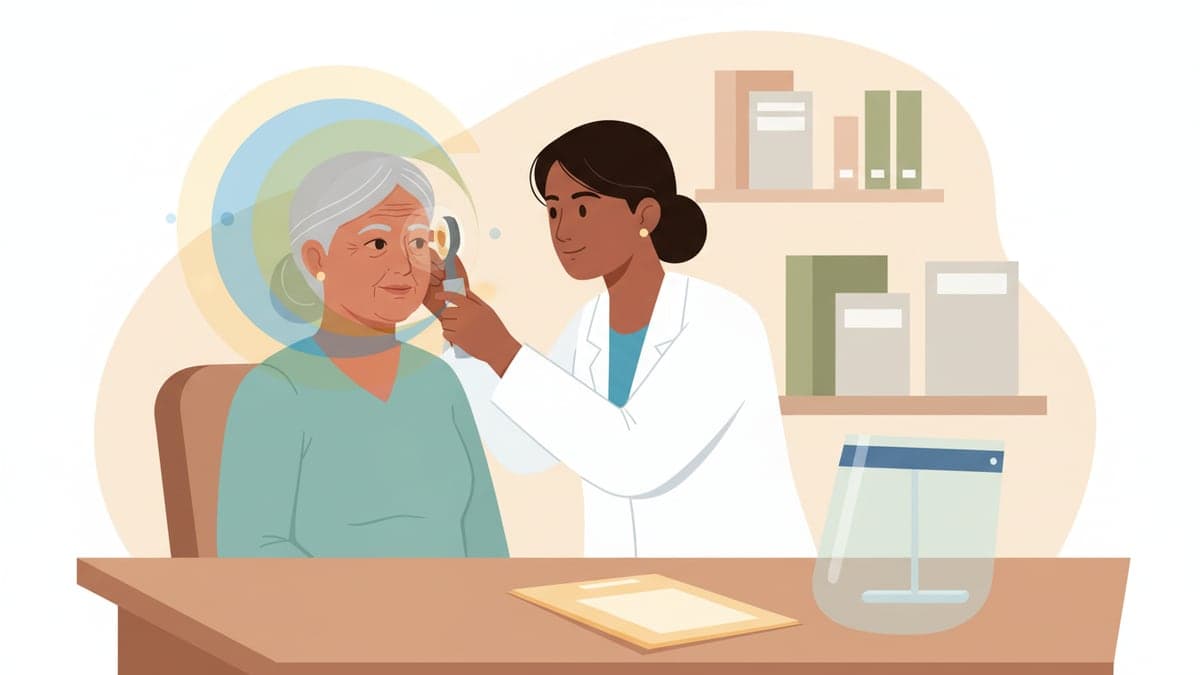
Cataract surgery is a common procedure, and most comprehensive health insurance plans cover it. It's often classified as a day-care procedure, meaning it doesn't always require a 24-hour hospital stay, making it eligible for coverage.
Key aspects to understand about your insurance coverage:
- Waiting Period: Most policies have a waiting period for cataract surgery, typically 12 to 24 months from the policy start date. Corporate policies might not have this.
- Coverage Limits (Sub-limits): Your policy may cap the insurer's payment per eye. If the cost exceeds this limit, you pay the difference. Plans without sub-limits offer better protection.
- Inclusions and Exclusions: Standard coverage usually includes surgeon's fees, operation theatre charges, pre- and post-hospitalisation tests, and basic Intraocular Lens (IOL) costs. Advanced procedures like bladeless surgery or premium lenses (multifocal, toric, trifocal) might not be fully covered or may require an add-on. Some policies may not cover expenses like eye drops or eyeglasses.
- Network Hospitals: For cashless claims, you must use a hospital from your insurer's network.
Cashless Claims vs. Reimbursement
Cashless Claim Process: This reduces your immediate financial burden.
- Inform Insurer: Notify your insurance provider at least 3 days before surgery.
- Choose Network Hospital: Select a hospital from your insurer's network list.
- Pre-Authorization: The hospital's insurance desk helps fill a pre-authorization form and submits it to your insurer or Third-Party Administrator (TPA). This includes medical necessity details.
- Approval: The insurer reviews the request and issues an approval letter, often within 24 hours, specifying the covered amount.
- Treatment: Undergo surgery at the network hospital.
- Final Settlement: The hospital settles the approved bill directly with the insurance company. You pay any non-covered expenses.
Reimbursement Claim Process: This applies if you use a non-network hospital or don't get cashless approval.
- Pay Hospital Bill: Settle the entire bill upfront.
- Gather Documents: Collect all original bills, receipts, discharge summary, doctor's prescriptions, and investigation reports. For premium lenses, ensure you have the IOL sticker or invoice with GST.
- Submit Claim: Fill out the claim form and submit it with all documents within the stipulated time.
- Reimbursement: The insurer reviews your claim and reimburses the eligible amount as per policy terms.
Government Schemes and Subsidies
For eligible individuals, government schemes offer significant financial support:
- Ayushman Bharat – Pradhan Mantri Jan Arogya Yojana (PM-JAY): This scheme provides health insurance cover up to ₹5 lakh per family annually. Cataract surgeries are covered, often with cashless treatment at empaneled hospitals. It covers consultation, surgery, IOL implantation, hospitalization, and post-operative care. However, there have been discussions about removing free cataract surgeries from its ambit.
- Central Government Health Scheme (CGHS): CGHS beneficiaries can get cashless treatment at CGHS-empanelled hospitals. Costs are covered per CGHS rates, which are generally lower than private hospital charges. The package rate typically excludes the IOL cost, which is reimbursed separately up to a notified ceiling. As of October 2025, the CGHS package rate for Phaco with foldable IOL (excluding the lens) was around ₹14,450 (non-NABH) to ₹17,000 (NABH) per eye.
- Other State-Level Schemes: Various state governments offer their own schemes that may cover cataract surgery, often providing free or subsidised treatment at government facilities or empaneled private hospitals.
Important Note: CGHS rates are for CGHS beneficiaries and may not apply to private patients.
Important Considerations and Documentation
- Medical Necessity: Your doctor's prescription must clearly state the diagnosis, affected eye, and recommendation for surgery. This is vital for claim approval.
- IOL Details: If you opt for premium lenses, keep the IOL sticker or invoice with GST. Insurers may cap reimbursement at the basic lens cost if these details are missing.
- Documentation: Keep copies of all pre-operative reports, admission slips, detailed hospital bills, and the discharge summary.
- Separate Claims: If both eyes are operated on different days, file separate claims for each eye.
Related guides
- Health Insurance Claims and Portability in India
- Co-payment in Health Insurance: Room Rent Limits & Sub-limits Explained
- A Guide to Health Insurance for NRIs & OCIs Visiting India
- Health Insurance for Parents Above 75 Years in India: A Guide
- Health Insurance Portability in India: How to Switch Insurers Without Losing Benefits
- NRI Guide: Health Insurance for Parents in India
Sources
- Health Insurance for Cataract Surgery | Star Health
- Is Cataract Surgery Covered by Insurance? -
Related Articles
Does Health Insurance Cover Hernia Surgery? Cashless Claim Guide
A simple patient guide to does health insurance cover hernia surgery? cashless claim guide, including documents, costs and questions to ask.
Does Health Insurance Cover Knee Replacement? Cashless Claim Guide
A simple patient guide to does health insurance cover knee replacement? cashless claim guide, including documents, costs and questions to ask.

Doon Hospital Dehradun Me Kaise Dikhayein? OPD Parcha Ki Jankari
Doon Hospital (Government Doon Medical College) Dehradun me OPD parcha banwane ka process, kya saath le jayein, aur kin baaton ka dhyan rakhein.
Medical Disclaimer
The content provided on Zospital is for general informational and educational purposes only. It is not intended as a substitute for professional medical advice, diagnosis, or treatment. Always seek the advice of your physician or other qualified healthcare provider with any questions you may have regarding a medical condition. Never disregard professional medical advice or delay in seeking it because of something you have read on this website. If you think you may have a medical emergency, call your doctor or emergency services immediately.