CGHS Rates for Soft Tissue, Tendon & Nerve Surgery
What to check next
Medically reviewed by Dr. Nikhil Singh
Last reviewed: 14 Aug 2026
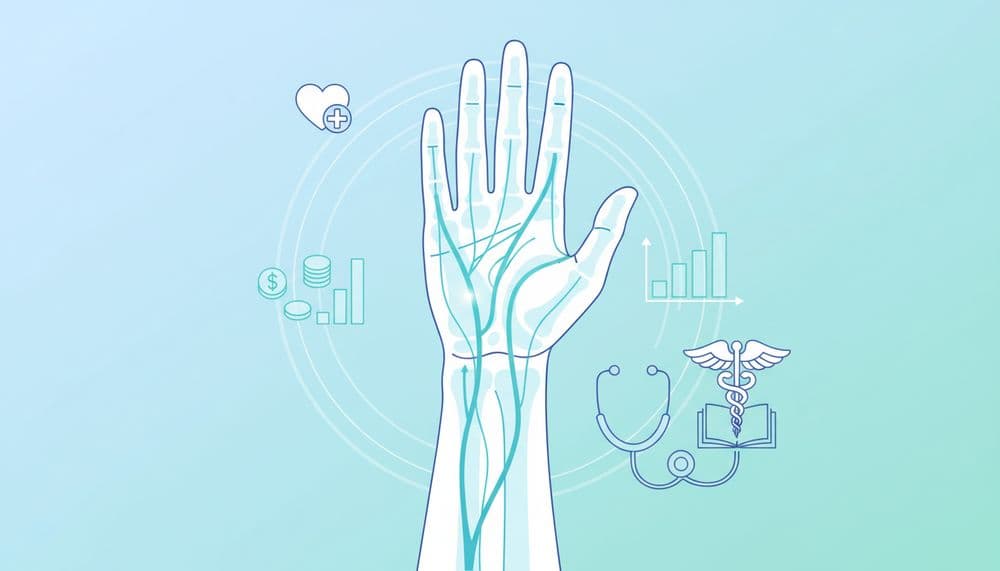
This page details the Central Government Health Scheme (CGHS) approved rates for various orthopaedic and reconstructive surgeries involving soft tissues, tendons, and nerves of the limbs and shoulder. These procedures are often required to address injuries, congenital conditions, or degenerative diseases affecting mobility and function.
CGHS beneficiaries who are advised to undergo procedures such as rotator cuff repair, nerve grafting, tendon transfers, or joint fusion (arthrodesis) can refer to this guide to understand the costs covered under the scheme at empanelled private hospitals. The package rates are fixed by the government and vary depending on the specific surgery and the accreditation status of the hospital (NABH or non-NABH).
The rate table below provides a comprehensive list of procedures and their corresponding approved rates. This information helps beneficiaries make informed decisions when seeking treatment at a network hospital. Please note that these package rates may not cover the cost of all consumables or implants.
CGHS Soft Tissue, Tendon & Nerve Surgery Rates (effective 13 October 2025)
These orthopaedic codes carry no separate super-speciality rate.
- Neurolysis/Nerve repair, Non-NABH — Rs 36,550
- Neurolysis/Nerve repair, NABH — Rs 43,000
- Nerve Repair with Grafting, Non-NABH — Rs 53,550
- Nerve Repair with Grafting, NABH — Rs 63,000
- Tendon with Transplant or Graft, Non-NABH — Rs 36,550
- Tendon with Transplant or Graft, NABH — Rs 43,000
- Tendon Lengthening/Tendon repair, Non-NABH — Rs 23,375
- Tendon Lengthening/Tendon repair, NABH — Rs 27,500
- Tendon Transfer, Non-NABH — Rs 29,750
- Tendon Transfer, NABH — Rs 35,000
- Anterolateral decompression for tuberculosis/ Costo-Transversectomy, Non-NABH — Rs 36,550
- Anterolateral decompression for tuberculosis/ Costo-Transversectomy, NABH — Rs 43,000
- Anterolateral Decompression and Spine Fusion, Non-NABH — Rs 53,550
- Anterolateral Decompression and Spine Fusion, NABH — Rs 63,000
- Arthrodesis of - Minor Joints, Non-NABH — Rs 29,750
- Arthrodesis of - Minor Joints, NABH — Rs 35,000
- Arthrodesis of - Major Joints, Non-NABH — Rs 36,550
- Arthrodesis of - Major Joints, NABH — Rs 43,000
- Soft Tissue Operations for Congenital Talipes Equinovarus (CTEV), Non-NABH — Rs 29,750
- Soft Tissue Operations for Congenital Talipes Equinovarus (CTEV), NABH — Rs 35,000
- Hemiarthroplasty- Shoulder, Non-NABH — Rs 45,050
- Hemiarthroplasty- Shoulder, NABH — Rs 53,000
- Operations for Brachial Plexus & Cervical Rib, Non-NABH — Rs 64,600
- Operations for Brachial Plexus & Cervical Rib, NABH — Rs 76,000
- Soft Tissue Operation on Joints -Small, Non-NABH — Rs 23,375
- Soft Tissue Operation on Joints -Small, NABH — Rs 27,500
- Soft Tissue Operation on Joints -Large, Non-NABH — Rs 36,550
- Soft Tissue Operation on Joints -Large, NABH — Rs 43,000
- Myocutaneous and Fasciocutaneous Flap Procedures for Limbs, Non-NABH — Rs 45,050
- Myocutaneous and Fasciocutaneous Flap Procedures for Limbs, NABH — Rs 53,000
- Bankart Repair Shoulder, Non-NABH — Rs 53,550
- Bankart Repair Shoulder, NABH — Rs 63,000
- Rotator cuff repair / RC repair, Non-NABH — Rs 53,550
- Rotator cuff repair / RC repair, NABH — Rs 63,000
- Biceps Tenodesis, Non-NABH — Rs 45,050
- Biceps Tenodesis, NABH — Rs 53,000
- Distal biceps tendon repair, Non-NABH — Rs 45,050
- Distal biceps tendon repair, NABH — Rs 53,000
- Capsulotomy of Shoulder, Non-NABH — Rs 45,050
- Capsulotomy of Shoulder, NABH — Rs 53,000
- Soft Tissue Operations for Polio/ Cerebral Palsy, Non-NABH — Rs 29,750
- Soft Tissue Operations for Polio/ Cerebral Palsy, NABH — Rs 35,000
Rates shown are as per the CGHS approved package rates (Office Memorandum F.No.5-16/CGHS(HQ)/HEC/2024(PartI) dated 03.10.2025, effective 2025-10-13) (2025 (effective 13.10.2025)) and are subject to periodic revision. Always verify the latest approved rates on the official source.
Who This Covers
This information is intended for all CGHS beneficiaries and their registered dependents who have been medically advised to undergo specific soft tissue, tendon, or nerve-related surgeries. The procedures listed cater to a wide range of conditions, including:
Patients with nerve injuries requiring Neurolysis (freeing a compressed nerve), direct nerve repair, or more complex Nerve Repair with Grafting.
Individuals with tendon damage needing Tendon Repair, Tendon Lengthening, or a Tendon Transfer to restore function.
People with shoulder problems, such as those requiring Rotator Cuff Repair, Bankart Repair for instability, Biceps Tenodesis, or a Hemiarthroplasty (partial shoulder replacement).
Patients needing joint stabilization through Arthrodesis (surgical fusion) of either major joints (like the ankle) or minor joints (like those in the hand or foot).
Individuals with congenital or developmental conditions such as Congenital Talipes Equinovarus (CTEV/clubfoot), or limb issues resulting from Polio or Cerebral Palsy, requiring corrective soft tissue operations.
Patients requiring complex reconstructive procedures like Myocutaneous Flap surgery for limb coverage or operations for Brachial Plexus injuries.
What CGHS Covers vs. What You Pay Separately
The CGHS rates shown are 'package rates'. A package rate is designed to cover the primary costs associated with the surgical procedure. This typically includes the surgeon's fee, anaesthesia charges, operation theatre costs, a standard number of days in the hospital ward, and routine drugs and consumables.
However, it is crucial to understand that not everything is included in this package. Beneficiaries may be required to pay separately for certain high-value items. These often include specialized implants, grafts, or prosthetics used during the surgery. For example, in procedures like nerve repair with grafting or tendon repair with a transplant, the cost of the graft material might be billed separately. Similarly, screws, anchors, or plates used in arthrodesis or rotator cuff repair are usually charged in addition to the package rate.
Before admission, it is advisable to have a detailed discussion with the hospital's billing department. Request a clear estimate of the costs that are not part of the CGHS package to avoid unexpected expenses.
How to Use This at a CGHS-Empanelled Hospital
To avail of these rates for a planned surgery at a CGHS-empanelled private hospital, beneficiaries should follow a standard process.
First, obtain a valid referral. You must be advised for the specific procedure by a specialist at a government hospital or a CGHS Wellness Centre. This referral is mandatory for cashless treatment at a private facility.
When you visit the empanelled hospital, present your CGHS card along with the referral letter at the admissions counter. Confirm the exact procedure and its corresponding code from the rate list with the hospital staff. This ensures that the billing aligns with the approved CGHS rates.
The applicable rate is determined by the hospital's accreditation. If the hospital is NABH-accredited, it is entitled to charge the NABH rate. If it is not, it must charge the lower non-NABH rate. This is based on the hospital's status and is not a choice for the patient. Always verify the hospital's current accreditation status.
Frequently Asked Questions
What is the difference between Neurolysis and Nerve Repair with Grafting?
Neurolysis is a procedure to free a nerve from scar tissue or other physical compression. Nerve Repair with Grafting is performed when a segment of a nerve is damaged beyond repair and must be replaced with a piece of nerve tissue (a graft) taken from another part of the body. The rates for these procedures differ due to their varying complexity.
Does the CGHS package for Rotator Cuff Repair include the cost of suture anchors?
The CGHS package rate typically covers the surgical procedure itself, including surgeon fees and OT charges. However, high-value consumables like the suture anchors used to reattach the tendon to the bone are often excluded and must be paid for separately by the patient. Confirm these costs with the hospital beforehand.
What is Arthrodesis, and why are there different rates for major and minor joints?
Arthrodesis is a surgical procedure to permanently fuse a joint, which eliminates motion but provides stability and relieves pain. The CGHS rates are different because fusing a major joint, such as an ankle or wrist, is a more extensive and complex surgery compared to fusing a minor joint, like one in a finger or toe.
Is a referral mandatory for a Bankart Repair at a CGHS empanelled hospital?
Yes, for any planned surgery at a CGHS empanelled private hospital, a valid referral from a CGHS Medical Officer or a government hospital specialist is required. The hospital needs this official documentation to process the treatment under the scheme.
My doctor suggested a 'Tendon Transfer'. Is this procedure covered by CGHS?
Yes, 'Tendon Transfer' is a listed procedure with an approved CGHS rate. This surgery involves rerouting a healthy tendon to replace the function of a damaged one. You can find the specific rates for both NABH and non-NABH accredited hospitals in the official CGHS rate list.
What is the difference between the NABH and non-NABH rates?
NABH (National Accreditation Board for Hospitals & Healthcare Providers) is a quality standard certification. Hospitals with NABH accreditation are permitted by CGHS to charge a higher rate for procedures, reflecting their compliance with rigorous quality and patient safety standards. The rate you are charged depends on the accreditation status of the hospital you choose.
Related
- How to apply for a CGHS card
- CGHS rate list for common procedures
- CGHS vs Ayushman Bharat: what's the difference
Medical Disclaimer
The information provided in this article is for general informational and educational purposes only. It is not intended as a substitute for professional medical advice, diagnosis, or treatment. Always seek the advice of your physician or other qualified healthcare provider with any questions you may have regarding a medical condition. Never disregard professional medical advice or delay in seeking it because of something you have read in this article.
Top doctors on Zospital
Verified specialists you can book in minutes.
- Book appointment

Dr. Naina Gupta
Oncologist
Varanasi
Verified•4 - Book appointment
Dr. Vishwanath Pratap Singh
General Surgeon
Varanasi
Verified•4.9 - Book appointment
Dr N. S . Paliwal
Rehabilitation Specialist
Lucknow
Verified - Book appointment
Dr. Roli Purwar
Gynecologist
Gorakhpur
Verified - Book appointment

Dr. Abhinav Srivastava
Spine Surgeon
Lucknow
Verified•4.9 - Book appointment

Dr. Shoeb Arif Khan
Orthopedic Surgeon
Lucknow
Verified•4.9
Have More Questions?
Find quick answers to common questions about our services, appointments, and patient care.
Neurolysis is a procedure to free a nerve from scar tissue or other physical compression. Nerve Repair with Grafting is performed when a segment of a nerve is damaged beyond repair and must be replaced with a piece of nerve tissue (a graft) taken from another part of the body. The rates for these procedures differ due to their varying complexity.
The CGHS package rate typically covers the surgical procedure itself, including surgeon fees and OT charges. However, high-value consumables like the suture anchors used to reattach the tendon to the bone are often excluded and must be paid for separately by the patient. Confirm these costs with the hospital beforehand.
Arthrodesis is a surgical procedure to permanently fuse a joint, which eliminates motion but provides stability and relieves pain. The CGHS rates are different because fusing a major joint, such as an ankle or wrist, is a more extensive and complex surgery compared to fusing a minor joint, like one in a finger or toe.
Yes, for any planned surgery at a CGHS empanelled private hospital, a valid referral from a CGHS Medical Officer or a government hospital specialist is required. The hospital needs this official documentation to process the treatment under the scheme.
Yes, 'Tendon Transfer' is a listed procedure with an approved CGHS rate. This surgery involves rerouting a healthy tendon to replace the function of a damaged one. You can find the specific rates for both NABH and non-NABH accredited hospitals in the official CGHS rate list.
NABH (National Accreditation Board for Hospitals & Healthcare Providers) is a quality standard certification. Hospitals with NABH accreditation are permitted by CGHS to charge a higher rate for procedures, reflecting their compliance with rigorous quality and patient safety standards. The rate you are charged depends on the accreditation status of the hospital you choose.
Related Articles

CGHS Rates for Specialized Lab Tests (Genetic, Allergy, Cytogenetics)
This page provides the Central Government Health Scheme (CGHS) approved rates for a range of specialized laboratory and genetic tests. Covered procedures include fertility diagnostics like Semen Analysis, histopathology with special stains, allergy panels, cytogenetics for chromosomal analysis, and other specific investigations such as Faecal Calprotectin and UGT1A1 Gene Analysis. The rates are standardized for all CGHS empanelled hospitals.

CGHS Rates for Spine & Functional Neurosurgery
Official CGHS package rates for a range of spine and functional neurosurgery procedures. This guide covers treatments for conditions like spina bifida, craniovertebral junction instability, brachial plexus injuries, spasticity, movement disorders, and vertebral fractures.
CGHS Rates for Spine Surgery: Discectomy, Fusion, Scoliosis
This page provides a detailed guide to the Central Government Health Scheme (CGHS) package rates for a range of specialized spine surgeries. It covers procedures such as Discectomy, Spinal Fixation, Spinal Fusion, Scoliosis Correction, Vertebroplasty, and Spinal Osteotomy. The information is intended for CGHS beneficiaries seeking treatment at empanelled hospitals, outlining the approved financial coverage based on the hospital's accreditation status (NABH or non-NABH).
Written by Dr. Nikhil Singh
Last reviewed: 14 August 2026
Medical Disclaimer
The content provided on Zospital is for general informational and educational purposes only. It is not intended as a substitute for professional medical advice, diagnosis, or treatment. Always seek the advice of your physician or other qualified healthcare provider with any questions you may have regarding a medical condition. Never disregard professional medical advice or delay in seeking it because of something you have read on this website. If you think you may have a medical emergency, call your doctor or emergency services immediately.
Are you a doctor or run a clinic or hospital?
Patients across India are searching Zospital right now. Get a free profile with reviews, timings and direct WhatsApp bookings.