Cataract Surgery Cost: Government vs Private Hospital Charges
Quick answer
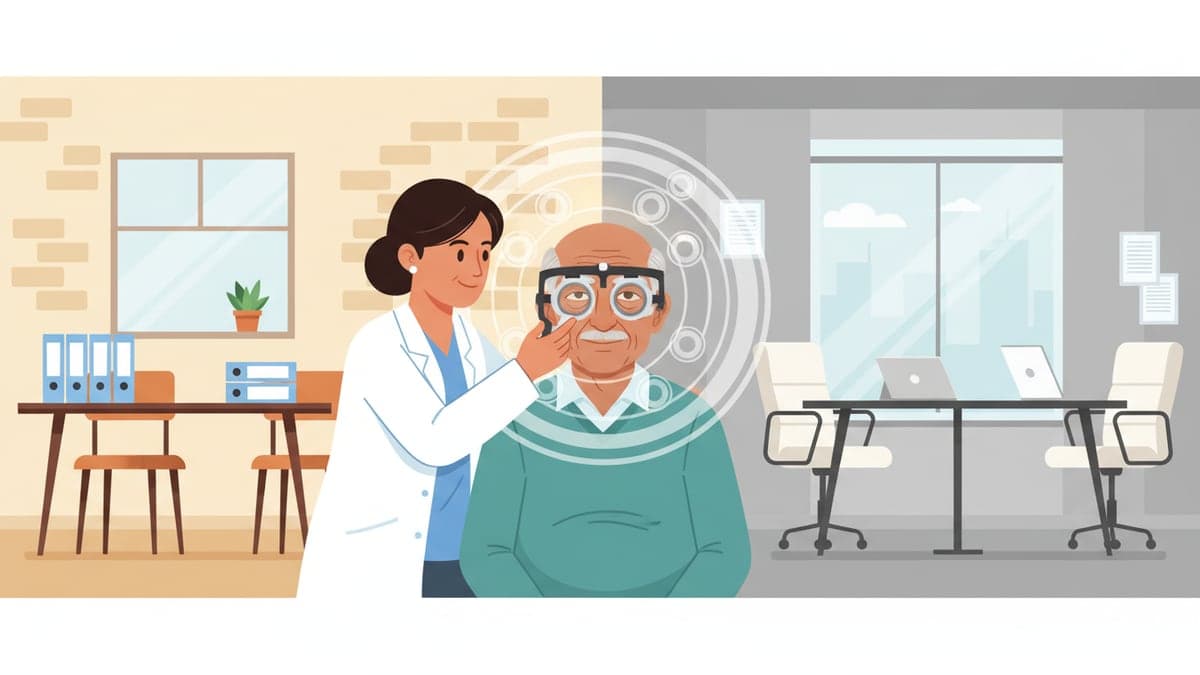
Cataract surgery costs in India vary significantly between government and private hospitals. Government hospitals offer highly subsidised or free surgery for eligible patients through schemes like Ayushman Bharat PM-JAY and CGHS. These options typically cover basic procedures and standard monofocal lenses, with costs from ₹0 to ₹10,000. They may have longer waiting periods and fewer choices.
Private hospitals offer more surgical techniques, advanced intraocular lenses (IOLs), and a more personalised experience with shorter waiting times. Self-pay costs in private hospitals range from ₹15,000 to ₹2,00,000 per eye. This is influenced by the procedure, lens, hospital facilities, and surgeon's expertise. Private health insurance may cover some costs, often with waiting periods and sub-limits.
Always request a detailed, itemised written quote from the hospital. This quote should list all inclusions, such as the IOL, tests, medicines, and follow-up appointments, and specify any additional charges.
Why Costs Differ: Government vs. Private
The cost difference stems from several factors:
- Funding and Subsidies: Government hospitals are heavily subsidised. Schemes like Ayushman Bharat PM-JAY, CGHS, and state-specific health schemes cover cataract surgery for eligible beneficiaries. Under these, surgery can be free or involve minimal charges, often ₹0 to ₹10,000.
- Infrastructure and Technology: Private hospitals often have state-of-the-art equipment and advanced technologies like Femtosecond Laser-Assisted Cataract Surgery (FLACS). These contribute to higher operational costs. Government hospitals may have more basic infrastructure.
- Choice of Intraocular Lenses (IOLs): The IOL type is a major cost factor.
- Government Schemes/Hospitals: Typically cover standard monofocal IOLs, which correct vision at a single distance.
- Private Hospitals: Offer premium options like multifocal lenses (for multiple distances), toric lenses (for astigmatism), and Extended Depth of Focus (EDOF) lenses. These can add ₹30,000 to ₹1,00,000 per eye.
- Surgeon's Expertise and Fees: Experienced surgeons in private practice may charge higher fees. Government hospitals have standardised fees.
- Waiting Periods and Personalisation: Government hospitals may have longer waiting lists. Private hospitals offer quicker appointments and more personalised care.
Cost Routes for Cataract Surgery
- Subsidised Government Schemes:
- Ayushman Bharat PM-JAY: Provides cashless treatment up to ₹5 lakh per family per year, including cataract surgeries, at empanelled hospitals. Surgery can be free for eligible patients.
- CGHS (Central Government Health Scheme): Covers central government employees and pensioners. Package rates for phacoemulsification with a foldable IOL are ₹14,450 for non-NABH accredited hospitals and ₹17,000 for NABH accredited hospitals. For Small Incision Cataract Surgery (SICS) with IOL, the CGHS rate is ₹13,400 in metro cities.
- State Health Schemes: Many states have schemes offering free or subsidised cataract surgery.
- National Programme for Control of Blindness and Visual Impairment (NPCBVI): Provides free or subsidised surgeries.
- Government Self-Pay: For those not covered by schemes, government hospitals offer lower self-pay rates. Costs can range from ₹0 to ₹10,000.
- Private Self-Pay: This route offers flexibility but at a higher cost, ranging from ₹15,000 to ₹2,00,000 per eye.
- Standard Monofocal Lens: Costs between ₹15,000 and ₹60,000 per eye.
- Premium Lenses: Can increase the cost by ₹50,000 to ₹1,00,000 per eye.
- Advanced Surgical Techniques (e.g., FLACS): Can add approximately ₹10,000 to ₹1,00,000+.
Factors Influencing Private Hospital Charges
- City/Location: Metro cities generally have higher costs. A basic procedure in a smaller town might start around ₹15,000-₹20,000, while in a metro city, it could be ₹20,000-₹40,000 for a standard monofocal lens.
- Hospital Infrastructure: Hospitals with advanced technology tend to charge more.
- Surgeon's Experience: Highly experienced surgeons may charge higher fees.
- Complexity of the Case: Complex cases, like very dense cataracts or co-existing conditions, can increase costs.
- Package Inclusions: Some private hospitals offer all-inclusive packages. Others charge separately for consultations, diagnostic tests (₹500-₹5,000), medicines (₹1,000-₹3,000), and follow-up visits (₹500-₹5,000).
Obtaining a Written Estimate
Always request a detailed, itemised written estimate. This should outline:
- The type of surgery and IOL.
- All pre-operative tests and consultations.
- The cost of the surgery, including surgeon's fees, anaesthesia, and operation theatre charges.
- The cost of the intraocular lens.
- Any medications required.
- Post-operative follow-up visits.
- Any potential additional charges.
This breakdown helps compare costs and avoid unexpected expenses.
Related guides
- Cataract Surgery Cost in India: CGHS, Govt, Private & Insurance
- Is Cataract Surgery Covered by Ayushman Bharat (PM-JAY)?
- Does Health Insurance Cover Cataract Surgery? Cashless Claim Guide
Sources
- Centre For Sight. "Cataract Surgery Cost in India: Prices by Type & Lens." August 10, 2026.
- Ditto Insurance. "Cataract Surgery Cost in India: Complete Guide." April 03, 2026.
Related Articles
Cataract Surgery Cost in Ahmedabad: CGHS, Govt & Private
Compare CGHS, government self-pay and private cataract surgery costs in Ahmedabad, with practical questions before treatment.
Cataract Surgery Cost in Bangalore: CGHS, Govt & Private
Compare CGHS, government self-pay and private cataract surgery costs in Bangalore, with practical questions before treatment.
Cataract Surgery Cost in Bhopal: CGHS, Govt & Private
Compare CGHS, government self-pay and private cataract surgery costs in Bhopal, with simple questions to ask before treatment.
Medical Disclaimer
The content provided on Zospital is for general informational and educational purposes only. It is not intended as a substitute for professional medical advice, diagnosis, or treatment. Always seek the advice of your physician or other qualified healthcare provider with any questions you may have regarding a medical condition. Never disregard professional medical advice or delay in seeking it because of something you have read on this website. If you think you may have a medical emergency, call your doctor or emergency services immediately.