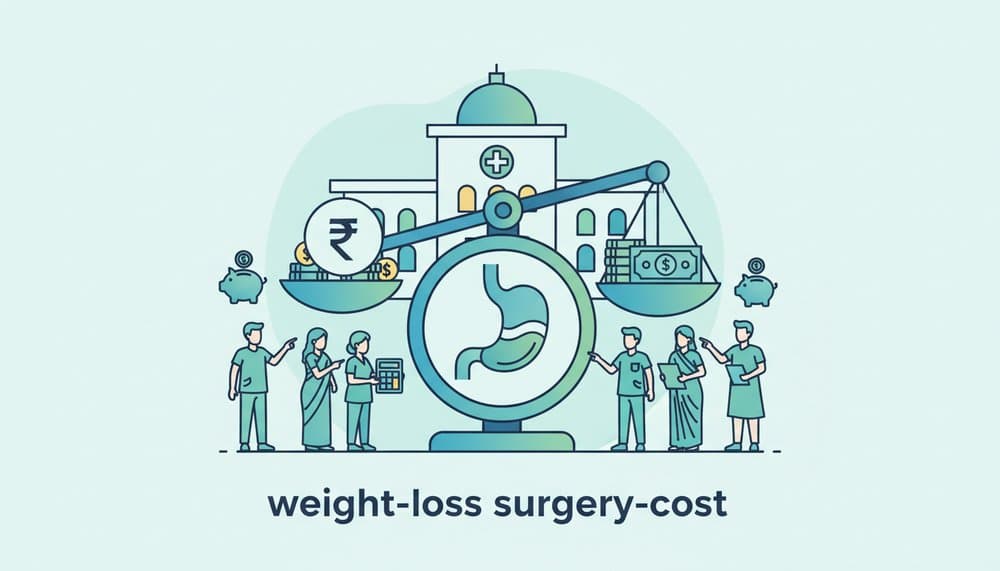
Weight Loss Surgery Cost
Medically reviewed by Dr.Nikhil Singh, Anaesthesia, MBBS, MD
Last reviewed: 16 Aug 2026
A Comprehensive Guide to Weight Loss Surgery in India: Costs, Insurance, and Making the Right Choice
For many struggling with severe obesity, the journey towards a healthier life can feel like an uphill battle. When traditional methods of diet and exercise have not yielded the desired results, bariatric surgery, also known as weight loss surgery, presents a powerful, medically-proven alternative. This guide is designed for Indian patients and Non-Resident Indians (NRIs) to navigate the complexities of weight loss surgery in India, covering everything from costs and insurance to choosing the right hospital and preparing for life after the procedure.
Understanding Bariatric Surgery: Is It for You?
Bariatric surgery is not a cosmetic procedure; it is a metabolic surgery that alters the digestive system to facilitate significant and sustained weight loss. It is generally recommended for individuals who have a Body Mass Index (BMI) of 40 or higher, or a BMI of 35 or higher with one or more obesity-related health conditions like type 2 diabetes, hypertension, sleep apnea, or heart disease.
Before delving into the specifics of surgical options, it's crucial to understand that surgery is a tool, not a magic wand. Long-term success is deeply rooted in a patient's commitment to lifelong changes in diet, exercise, and overall lifestyle.
Types of Weight Loss Surgery and Their Success Rates
There are several types of bariatric procedures available in India, each with its own mechanism and success rate. The most common are:
- Laparoscopic Sleeve Gastrectomy (LSG): In this procedure, a large portion of the stomach is surgically removed, leaving behind a smaller, banana-shaped "sleeve". This restricts the amount of food you can eat and reduces the production of the hunger-promoting hormone, ghrelin.
- Roux-en-Y Gastric Bypass (RYGB): Considered the "gold standard" by many, this surgery involves creating a small stomach pouch and connecting it directly to the middle portion of the small intestine. This both restricts food intake and reduces the absorption of calories.
- Adjustable Gastric Band (Lap-Band): This procedure involves placing an inflatable silicone band around the upper part of the stomach, creating a small pouch with a narrow outlet. This is a less invasive and reversible option, but its popularity has waned due to less effective weight loss results for some compared to other procedures.
Success Rates:
Success after bariatric surgery is typically measured by the percentage of excess body weight lost. Most patients can expect to lose between 60% and 80% of their excess weight within 12 to 18 months of surgery. Studies have shown that after two years, patients who underwent gastric bypass lost approximately 65% of their excess weight, while those with a sleeve gastrectomy lost around 56%, and gastric banding patients lost about 49%. Overall, bariatric surgery has a success rate of over 90% in helping patients achieve significant weight loss.
The Cost of Weight Loss Surgery in India: A Detailed Breakdown
India has become a global destination for bariatric surgery, offering high-quality medical care at a fraction of the cost in Western countries. The overall cost can vary significantly based on the type of surgery, the hospital's reputation, the surgeon's experience, and the city.
Estimated Cost of Bariatric Procedures in India (2026):
Surgical Procedure — Average Cost Range (INR) — Average Cost Range (USD)
Laparoscopic Sleeve Gastrectomy — ₹2,00,000 - ₹5,00,000 — $2,400 - $6,000
Roux-en-Y Gastric Bypass — ₹2,50,000 - ₹6,00,000 — $3,000 - $7,200
Adjustable Gastric Band (Lap-Band) — ₹1,80,000 - ₹3,00,000 — $2,150 - $3,600
Note: These are indicative costs and can vary. It is always best to get a detailed quote from the hospital.
What's Typically Included in a Bariatric Surgery Package?
Most hospital packages for bariatric surgery are comprehensive and generally include:
- Surgeon's and assistant surgeon's fees
- Anesthesia charges
- Hospital stay for a specified number of days (usually 2-4)
- Operation theatre charges
- Standard medications and consumables during hospitalization
Potential Additional Costs to Consider:
It is crucial to have a transparent discussion with the hospital about what is not included in the package to avoid unexpected expenses. These can often include:
- Pre-operative diagnostic tests: This can include blood tests, ultrasound, endoscopy, and cardiac evaluations, costing anywhere from ₹15,000 to ₹30,000.
- Post-operative consultations and follow-up care: This includes visits with the surgeon, dietitian, and psychologist.
- Nutritional supplements: Lifelong vitamin and mineral supplementation is necessary after surgery.
- Extended hospital stay: If complications arise, a longer hospital stay will incur additional charges.
- Treatment for any complications.
- Body contouring surgery: After significant weight loss, some patients opt for plastic surgery to remove excess skin, which is a separate cost.
Insurance Coverage for Bariatric Surgery in India
In a significant move for patients, the Insurance Regulatory and Development Authority of India (IRDAI) mandated in 2019 that health insurance policies should cover bariatric surgery. However, this coverage comes with specific conditions:
- Medical Necessity: The surgery must be deemed medically necessary and not for cosmetic reasons.
- Eligibility Criteria: To be eligible for insurance coverage, a patient typically needs to be at least 18 years old and have:
- A BMI of 40 or greater.
- A BMI of 35 or greater with comorbidities such as uncontrolled type 2 diabetes, severe sleep apnea, or heart disease.
- Waiting Period: Most health insurance policies have a waiting period of 2 to 4 years for bariatric surgery coverage. It is advisable to check your policy documents or contact your insurance provider to understand the specifics of your plan.
Choosing the Right Hospital and Surgeon: A Crucial Decision
The success of your weight loss journey heavily depends on the expertise of your medical team and the quality of the hospital. Here are key criteria to consider when making your choice:
Hospital Selection Criteria:
- Accreditation: Look for hospitals with national (NABH) or international (JCI) accreditation. These certifications ensure that the hospital adheres to stringent quality and safety standards.
- Multidisciplinary Team: A good bariatric program will have a dedicated team of specialists, including a bariatric surgeon, a dietitian, a psychologist, and other support staff.
- Infrastructure and Technology: Opt for a hospital with modern infrastructure and advanced surgical technology, such as laparoscopic or robotic-assisted surgery capabilities, which can lead to faster recovery and fewer complications.
- Post-operative Support: Enquire about the hospital's post-operative care program, including support groups and long-term follow-up protocols.
Surgeon Selection Criteria:
- Qualifications and Experience: Choose a surgeon with advanced qualifications (MS, M.Ch) and extensive experience in performing a high volume of bariatric surgeries.
- Specialization: A surgeon who specializes exclusively in bariatric surgery is often preferable.
- Transparency and Communication: Your surgeon should be approachable, willing to answer all your questions, and make you feel comfortable.
- Success Rates and Patient Reviews: Research the surgeon's track record and read patient testimonials.
The Road to Recovery: A Timeline
Recovery from bariatric surgery is a gradual process that requires patience and adherence to your surgeon's instructions.
Week 1: The first week is focused on rest and healing. You will be on a clear liquid diet and will be encouraged to take short walks to prevent blood clots.
Weeks 2-4: You will gradually progress to a full liquid, then pureed, and finally soft foods. Most people can return to a desk job within 2 to 4 weeks, but those with physically demanding jobs may need a longer recovery period.
Month 1 and Beyond: After the first month, you will start transitioning to solid foods in small portions. The most significant weight loss typically occurs in the first year. Regular exercise can be gradually introduced as your body heals.
A Framework for Your Decision: Questions to Ask Your Surgeon
Making the decision to undergo bariatric surgery is a significant one. Here are some important questions to ask your surgeon during your consultation:
- Am I a good candidate for weight loss surgery, and why?
- Which type of bariatric surgery do you recommend for me, and what are the reasons for your recommendation?
- What are the potential risks and complications associated with this surgery?
- What is your experience with this procedure, and what are your success and complication rates?
- What will my recovery look like, and when can I expect to return to my normal activities?
- What lifestyle changes will I need to make after the surgery?
- What kind of post-operative support and follow-up care do you provide?
- How will this surgery affect my pre-existing medical conditions?
Life After Bariatric Surgery: A New Beginning
Life after bariatric surgery is a journey of transformation. While the surgery provides a powerful tool for weight loss, long-term success hinges on your commitment to a new, healthier lifestyle. This includes:
- Dietary Changes: You will need to eat smaller, more frequent meals, focusing on protein-rich foods and avoiding high-sugar and high-fat items.
- Regular Exercise: Physical activity is crucial for maintaining weight loss and improving overall health.
- Lifelong Supplementation: You will need to take
Written by
Top Anesthesiologist doctors in Lucknow on Zospital
Verified specialists you can book in minutes.
- Book appointment

Dr. Sanni Deyol Gautam
Anesthesiologist
Lucknow
4.8 - Book appointment

Dr Karanvir Singh Sidhu
Anesthesiologist
Lucknow
4.8 - Book appointment

Dr Harpreet Kaur
Anesthesiologist
Lucknow
4.8 - Book appointment

Dr. Akshat Trivedi
Anesthesiologist
Lucknow
4.5 - Book appointment

Dr. Praful Srivastava
Anesthesiologist
4.8 - Book appointment

Dr. Mohd. Ruheel Khan
Anesthesiologist
Faizabad

“Your Health, Our Priority. Your Voice, Our Guide”
Dr.Nikhil Singh
Anaesthesia, MBBS, MD
Private hospitals in Lucknow on Zospital
Prefer a private option? These hospitals in Lucknow list their doctors and take bookings.
See all hospitals in LucknowRelated Articles

Wellness Preventive Health Costs
## A Comprehensive Guide to Wellness and Preventive Health Screening Costs in India In an era where lifestyle diseases are on the rise, proactive and preventive healthcare has become more crucial tha

Wellness Retreat Ayurveda India NRI
## The Ultimate NRI Guide to Wellness and Ayurveda Retreats in India: Costs, Packages, and Booking for 2026 For Non-Resident Indians (NRIs) seeking to reconnect with their roots and rejuvenate their

Wellness Spa Ayurvedic NRI India
{'title': 'The Best Ayurvedic Retreats in India', 'url': 'https://www.cntraveller.in/story/the-best-ayurvedic-retreats-in-india/', 'snippet': "India's best Ayurvedic retreats offer a range of treatme

Written by Dr.Nikhil Singh
Anaesthesia, MBBS, MD
Last reviewed: 16 August 2026
Medical Disclaimer
The content provided on Zospital is for general informational and educational purposes only. It is not intended as a substitute for professional medical advice, diagnosis, or treatment. Always seek the advice of your physician or other qualified healthcare provider with any questions you may have regarding a medical condition. Never disregard professional medical advice or delay in seeking it because of something you have read on this website. If you think you may have a medical emergency, call your doctor or emergency services immediately.
Are you a doctor or run a clinic or hospital?
Patients across India are searching Zospital right now. Get a free profile with reviews, timings and direct WhatsApp bookings.