Telemedicine & Remote Healthcare: Complete Guide
Medically reviewed by Dr.Nikhil Singh, Anaesthesia, MBBS, MD
Last reviewed: 16 Aug 2026
The Complete Guide to Telemedicine: Navigating Virtual Healthcare with Confidence
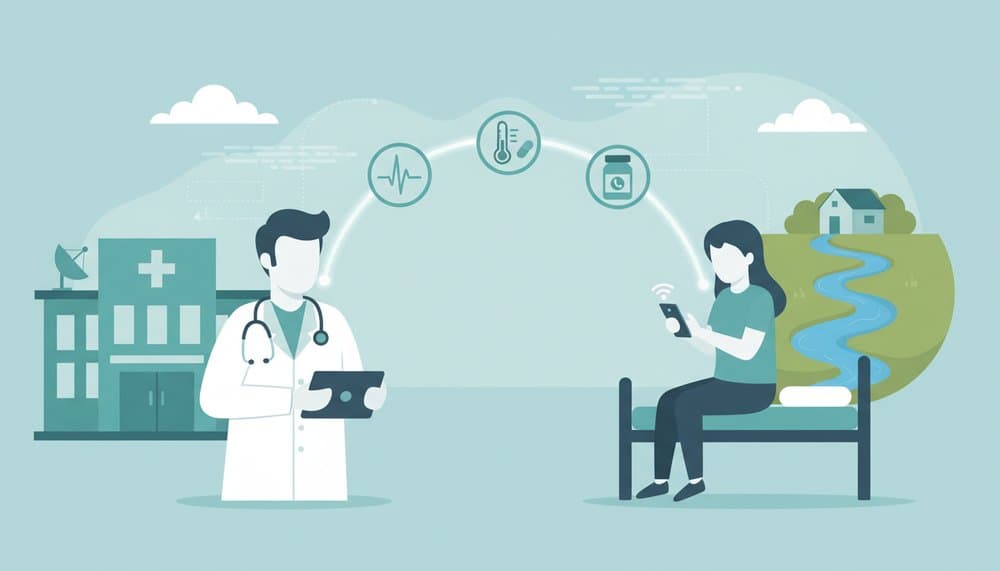
The landscape of healthcare is undergoing a significant transformation, with telemedicine at the forefront of this evolution. Offering the convenience of medical consultations from the comfort of your home, telemedicine has rapidly grown from a niche service to a mainstream healthcare option. This guide provides a comprehensive overview of telemedicine, from choosing the right platform and understanding electronic prescriptions to managing chronic conditions remotely and verifying the quality of care.
The Rise of Virtual Consultations: Understanding Online Platforms
Telemedicine, in its broadest sense, refers to the use of technology to provide healthcare remotely. This can range from a simple phone call with your doctor to a sophisticated video consultation complete with remote monitoring. At the heart of this revolution are online consultation platforms, which serve as the digital bridge between patients and healthcare providers.
These platforms, such as Teladoc, MDLive, and GoodRx Care, have streamlined the process of seeking medical advice. Typically, a user creates an account, provides their medical history and symptoms, and then connects with a licensed medical provider via video, phone, or secure messaging. Following the consultation, the provider develops a treatment plan and, if necessary, sends a prescription to the patient's preferred pharmacy.
The benefits of using these platforms are numerous. They offer unparalleled convenience, saving time and reducing the stress associated with traditional doctor visits. For individuals in rural or underserved areas, telemedicine can provide crucial access to specialists who might otherwise be geographically out of reach.
E-Prescriptions: The Digital Future of Medication
A key component of modern telemedicine is the electronic prescription, or e-prescription. This technology allows healthcare providers to digitally send prescriptions directly to a pharmacy, eliminating the need for paper scripts.
The process is simple and secure. After a virtual consultation, if medication is deemed necessary, the doctor will electronically sign and transmit the prescription to the patient's chosen pharmacy. This not only saves the patient a trip to the doctor's office to pick up a paper prescription but also allows the pharmacy to begin filling the medication while the patient is en route.
E-prescribing offers several advantages over traditional methods. It enhances patient safety by reducing the risk of errors from illegible handwriting and by allowing for easy cross-referencing with a patient's medical records for potential drug allergies or interactions. The digital "paper trail" also ensures accurate and secure record-keeping. Many platforms and pharmacies also offer online refill services, which is particularly beneficial for individuals with chronic conditions requiring ongoing medication.
Managing Chronic Diseases from a Distance
Telemedicine is proving to be a powerful tool in the management of chronic diseases such as heart disease, diabetes, and cancer. For the more than half of Americans living with at least one chronic condition, virtual care offers a way to maintain regular contact with their healthcare team, leading to better health outcomes and an improved quality of life.
Remote patient monitoring (RPM) is a significant aspect of this. Patients can use devices at home to track key health metrics like blood pressure, blood sugar levels, and weight. This data can then be shared with their provider, allowing for continuous monitoring and timely intervention if necessary. Some devices can even be set up to automatically transmit this information.
Telehealth services for chronic disease management can include:
- Video appointments: Regular check-ins with primary care providers and specialists to discuss medications, lifestyle, and any changes in health data.
- Secure messaging: A convenient way to communicate with providers, ask questions, and receive test results.
- Medication management: Virtual visits can be used to review and adjust medications, ensuring the treatment plan remains effective.
- Health education and coaching: Providers can use telehealth to educate patients about their condition, and encourage healthy behaviors related to diet, exercise, and other lifestyle factors.
Understanding the Costs of Virtual Care
The cost of a telehealth visit can vary depending on several factors, including your insurance coverage, the type of provider you see, and the nature of your visit.
For those paying out of pocket, a general telehealth visit typically costs between $40 and $90. Specialist consultations, such as those with a psychiatrist or dermatologist, may have a higher fee.
Insurance coverage for telehealth has expanded significantly in recent years. Most major insurance plans, including those on the Affordable Care Act (ACA) marketplace, now cover virtual visits. Medicare also covers a wide range of telehealth services. However, the extent of coverage and your out-of-pocket expenses, such as copayments and deductibles, will depend on your specific plan. It's always advisable to check with your insurance provider to understand your telehealth benefits before scheduling a virtual appointment. Some plans may even offer certain telehealth services with no out-of-pocket cost.
Ensuring Quality and Safety in Telemedicine
As with any healthcare service, ensuring the quality and safety of telemedicine is paramount. Patients have the right to receive information and make informed decisions about their care.
Verifying Provider Credentials: It is essential to ensure that the healthcare professional you are consulting with is licensed and qualified. Many telehealth platforms provide information about their providers' credentials. Additionally, you can often verify a physician's board certification through online databases provided by organizations like the American Board of Physician Specialties (ABPS). Services like the Federation Credentials Verification Service (FCVS) also offer a centralized repository of verified physician credentials.
Accreditation and Standards: Reputable telehealth platforms often seek accreditation from independent bodies to demonstrate their commitment to quality and safety. Organizations like The Joint Commission and the National Committee for Quality Assurance (NCQA) have developed accreditation programs specifically for telehealth providers. These programs evaluate various aspects of a telehealth service, including clinical processes, patient safety, and the security of the technology platform.
Regulatory Oversight: Regulatory bodies, such as the Nursing and Midwifery Council (NMC) in the UK, play a crucial role in setting standards for healthcare professionals who provide remote consultations and prescribe medication. These standards are in place to protect patients and ensure that care is delivered safely and effectively. For instance, the NMC has specific guidelines regarding face-to-face consultations before prescribing certain medications for non-surgical cosmetic procedures to mitigate risks.
When to Seek Telemedicine vs. In-Person Treatment
Telemedicine is a convenient and effective option for a wide range of health concerns, including:
- Common illnesses like colds, flu, and minor infections.
- Follow-up appointments and medication refills.
- Management of chronic conditions.
- Mental health consultations.
- Dermatology concerns.
However, it is not a substitute for in-person care in all situations. You should seek immediate in-person medical attention for emergencies, such as chest pain, difficulty breathing, severe injuries, or any other life-threatening symptoms.
Resources and Further Information
For those interested in exploring telemedicine further, a wealth of resources is available online. Government websites such as Telehealth.HHS.gov provide valuable information for patients on getting started with telehealth, understanding their rights, and finding providers. Professional organizations like the American Medical Association (AMA) also offer guides and resources on telehealth. Additionally, patient advocacy groups and specific health condition organizations often provide tailored information on how to utilize telehealth for particular needs.
Written by
Top Anesthesiologist doctors in Lucknow on Zospital
Verified specialists you can book in minutes.
- Book appointment

Dr. Sanni Deyol Gautam
Anesthesiologist
Lucknow
4.8 - Book appointment

Dr Karanvir Singh Sidhu
Anesthesiologist
Lucknow
4.8 - Book appointment

Dr Harpreet Kaur
Anesthesiologist
Lucknow
4.8 - Book appointment

Dr. Akshat Trivedi
Anesthesiologist
Lucknow
4.5 - Book appointment

Dr. Praful Srivastava
Anesthesiologist
4.8 - Book appointment

Dr. Mohd. Ruheel Khan
Anesthesiologist
Faizabad

“Your Health, Our Priority. Your Voice, Our Guide”
Dr.Nikhil Singh
Anaesthesia, MBBS, MD
Private hospitals in Lucknow on Zospital
Prefer a private option? These hospitals in Lucknow list their doctors and take bookings.
See all hospitals in LucknowRelated Articles
Tezpur Medical College and Hospital: OPD, Appointments, and Fees
Guide to getting an appointment, OPD registration process, timings, costs, and financial aid at Tezpur Medical College and Hospital, Assam.
Thanjavur Medical College Hospital: OPD, Appointments, and Costs
A detailed guide on how to get an appointment, OPD registration processes, treatment costs, and available government schemes at Thanjavur Medical College Hospital, Thanjavur.

Thyroid Diabetes Screening NRI India
## A Comprehensive Guide for NRIs: Thyroid and Diabetes Screening in India For Non-Resident Indians (NRIs), managing health often involves navigating two different healthcare systems. While residing

Written by Dr.Nikhil Singh
Anaesthesia, MBBS, MD
Last reviewed: 16 August 2026
Medical Disclaimer
The content provided on Zospital is for general informational and educational purposes only. It is not intended as a substitute for professional medical advice, diagnosis, or treatment. Always seek the advice of your physician or other qualified healthcare provider with any questions you may have regarding a medical condition. Never disregard professional medical advice or delay in seeking it because of something you have read on this website. If you think you may have a medical emergency, call your doctor or emergency services immediately.
Are you a doctor or run a clinic or hospital?
Patients across India are searching Zospital right now. Get a free profile with reviews, timings and direct WhatsApp bookings.