Sleep Study Polysomnography Costs

Medically reviewed by Dr.Nikhil Singh, Anaesthesia, MBBS, MD
Last reviewed: 16 Aug 2026
A Comprehensive Guide to Sleep Studies in India: Costs, Choices, and What to Expect
For millions in India and for Non-Resident Indians (NRIs) planning medical visits, persistent sleep issues like loud snoring, daytime sleepiness, or morning headaches are often dismissed as mere fatigue. However, these could be signs of underlying sleep disorders that can have a significant impact on long-term health. A sleep study, or polysomnography, is the definitive method for diagnosing these conditions. This guide provides a detailed overview of sleep studies in India, comparing at-home and in-lab options, their costs, and how to make an informed decision.
Understanding Sleep Studies: What Are They and Why Are They Needed?
A sleep study is a non-invasive, overnight test that monitors your body's functions while you sleep. It records data on brain waves, heart rate, breathing patterns, blood oxygen levels, and limb movements to diagnose various sleep disorders. The most common of these is Obstructive Sleep Apnea (OSA), a condition where breathing repeatedly stops and starts during sleep. Other conditions diagnosed include Central Sleep Apnea, narcolepsy, and Restless Legs Syndrome.
Delaying a diagnosis can be risky. Untreated sleep disorders are linked to serious health complications, including high blood pressure, heart disease, stroke, diabetes, and obesity. Therefore, a timely sleep study is a crucial step towards better health.
The Two Main Choices: At-Home Sleep Test vs. In-Lab Polysomnography
There are two primary settings for undergoing a sleep study in India: in the comfort of your own home or at a specialized sleep laboratory. The choice depends on your symptoms, medical history, and your doctor's recommendation.
In-Lab Polysomnography (Level 1 Sleep Study)
This is the most comprehensive type of sleep study, conducted overnight at a hospital or a dedicated sleep clinic. A trained technologist will be present to monitor you throughout the night.
What it Measures: An in-lab study, also known as Level 1 Polysomnography (PSG), is extensive. It typically records:
- Brain activity (EEG): To identify different sleep stages.
- Eye movements (EOG): To detect REM (Rapid Eye Movement) sleep.
- Muscle activity (EMG): To assess limb movements and muscle tone.
- Heart rate and rhythm (ECG).
- Breathing effort and airflow.
- Blood oxygen levels (SpO2).
- Body position and snoring.
- Video monitoring: To observe sleep behaviors.
Pros:
- Comprehensive and Accurate: It is the gold standard for diagnosing a wide range of sleep disorders, including complex cases.
- Supervised: A technician is available to fix any sensors that may come loose, ensuring a high-quality recording.
- Immediate Intervention: If severe sleep apnea is detected, treatment like CPAP (Continuous Positive Airway Pressure) can sometimes be started on the same night (split-night study).
Cons:
- Cost: It is the most expensive option.
- Inconvenience: Requires an overnight stay in an unfamiliar environment, which can sometimes affect a person's ability to sleep naturally.
- Waiting Lists: There can be waiting periods, especially at government hospitals.
Home Sleep Test (HST) (Level 2 & Level 3)
A Home Sleep Test (HST) is a simplified version of a sleep study that you can do in your own bed. You will be provided with a portable monitoring device to wear overnight.
What it Measures: Home tests are primarily designed to diagnose or rule out obstructive sleep apnea.
- Level 3 HST: This is the more common and basic home test. It typically measures breathing effort, airflow, blood oxygen, heart rate, and snoring.
- Level 2 HST: This is a more advanced home study that records more channels, sometimes including brain activity (EEG), making it closer to an in-lab study but without direct supervision.
Pros:
- Convenience and Comfort: You can sleep in your own bed, which may lead to a more typical night's sleep.
- Cost-Effective: Significantly cheaper than an in-lab study.
- Accessibility: Easier and quicker to schedule.
Cons:
- Limited Scope: Primarily effective for diagnosing straightforward OSA. It cannot reliably diagnose other sleep disorders like narcolepsy or parasomnias.
- No Supervision: If a sensor falls off during the night, the test may yield incomplete or inconclusive data, potentially requiring a repeat study.
- Not for Everyone: Unsuitable for patients with certain complex medical conditions.
Cost of Sleep Studies in India (2026)
The cost of a sleep study in India varies based on the type of test, the city, and the facility (private hospital, specialized clinic, or government hospital).
Estimated Cost Table
Type of Sleep Study — Description — Average Price Range (INR)
Level 1 In-Lab Polysomnography — Comprehensive overnight study in a hospital or sleep lab. — ₹8,000 – ₹25,000+
Level 2 Home Sleep Test — Detailed, unsupervised home study with more sensors. — ₹6,000 – ₹10,000
Level 3 Home Sleep Test — Basic home test for Obstructive Sleep Apnea. — ₹2,000 – ₹5,000
Note: Prices are indicative and can vary. Government hospitals like AIIMS may offer in-lab studies for a much lower cost (₹2,000 - ₹5,000), but often come with long waiting lists.
City-wise Cost Variation for In-Lab Polysomnography
City — Approximate Cost Range (INR)
Delhi — ₹15,000 – ₹25,000
Mumbai — ₹8,000 – ₹15,000
Hyderabad — ₹6,500 – ₹12,000
Bangalore — ₹14,000 – ₹18,000 (approx.)
Nagpur — ₹14,000 – ₹18,000 (approx.)
Decision Framework: Which Sleep Study is Right for You?
Choosing the right test should always be done in consultation with a doctor. Here’s a framework to guide your discussion:
Choose a Home Sleep Test (Level 3) if:
- You are an adult with a high probability of having moderate to severe obstructive sleep apnea (e.g., loud snoring, witnessed breathing pauses, significant daytime sleepiness).
- You do not have other major health conditions like congestive heart failure, severe lung disease (COPD), or certain neurological disorders.
- You are looking for a convenient and more affordable initial diagnostic step.
Choose an In-Lab Sleep Study (Level 1) if:
- Your doctor suspects a sleep disorder other than OSA, such as narcolepsy, periodic limb movement disorder, or parasomnias (like sleepwalking).
- You have significant co-existing medical conditions (cardiac, respiratory, or neurological).
- A previous home sleep test was negative or inconclusive, but symptoms persist.
- You are a child or an elderly patient who may require assistance.
- Your doctor needs to perform a CPAP titration study to determine the right pressure for your treatment.
Selecting a Hospital or Sleep Lab: Key Criteria
Choosing a reputable center is crucial for an accurate diagnosis. Here’s what to look for:
- Accreditation and Credentials: Look for centers accredited by recognized health authorities. The interpreting physician should be a certified sleep specialist, often with credentials from bodies like the Indian Board of Sleep Medicine or international equivalents.
- Qualified Specialists: The center should have a multidisciplinary team, including pulmonologists, neurologists, and certified sleep technologists. The staff's expertise directly impacts the quality of the study and the accuracy of the interpretation.
- Comprehensive Services: A good center offers a range of diagnostic tests (Level 1, 2, and 3) and follow-up services, including treatment options like CPAP therapy, lifestyle counseling, and referrals to other specialists if needed.
- Modern Equipment and Environment: The facility should use up-to-date diagnostic equipment. For in-lab studies, the sleep environment should be comfortable and private to facilitate good sleep.
- Clear Follow-up Process: A quality program provides a clear, understandable report and a structured follow-up plan to discuss the results, diagnosis, and treatment options.
Leading Hospitals and Clinics in India: Many top-tier hospitals in India have dedicated sleep medicine departments. Institutions like Apollo Hospitals, Max Healthcare, Fortis, Manipal Hospitals, and Kokilaben Dhirubhai Ambani Hospital are known for their comprehensive sleep study programs. Specialized clinics also offer expert services, sometimes with the benefit of shorter wait times.
The Sleep Study Process: From Preparation to Results
Before the Study:
- Preparation: You will likely be advised to avoid caffeine and alcohol on the day of the study. Bathe before you go, but avoid using lotions, gels, or hairsprays, as they can interfere with the sensors.
- Packing (for in-lab): Pack as you would for a one-night hotel stay, including comfortable pajamas, toiletries, and a change of clothes for the morning.
During the Study:
- Setup: A technician will attach sensors to your scalp, face, chest, and legs using a mild adhesive. Elastic belts will be placed around your chest and abdomen to monitor breathing. While it may feel a bit unusual, it is not painful.
- Sleeping: You will sleep in a private room. The technician will monitor the recordings from a separate room. You can communicate with them via an intercom if needed.
After the Study: Timeline to Recovery and Treatment The term "recovery" here refers to the timeline for receiving your diagnosis and starting treatment.
- Morning After: The sensors are removed in the morning. You can typically go home and resume your normal activities immediately. The study requires at least two hours of sleep to be considered valid.
- Receiving Results (24 hours to a few days): The raw data from your study is scored by a technologist a
Written by
Top Anesthesiologist doctors in Lucknow on Zospital
Verified specialists you can book in minutes.
- Book appointment

Dr. Sanni Deyol Gautam
Anesthesiologist
Lucknow
4.8 - Book appointment

Dr Karanvir Singh Sidhu
Anesthesiologist
Lucknow
4.8 - Book appointment

Dr Harpreet Kaur
Anesthesiologist
Lucknow
4.8 - Book appointment

Dr. Akshat Trivedi
Anesthesiologist
Lucknow
4.5 - Book appointment
Dr. Praful Srivastava
Anesthesiologist
4.8 - Book appointment

Dr. Mohd. Ruheel Khan
Anesthesiologist
Faizabad

“Your Health, Our Priority. Your Voice, Our Guide”
Dr.Nikhil Singh
Anaesthesia, MBBS, MD
Private hospitals in Lucknow on Zospital
Prefer a private option? These hospitals in Lucknow list their doctors and take bookings.
See all hospitals in LucknowRelated Articles
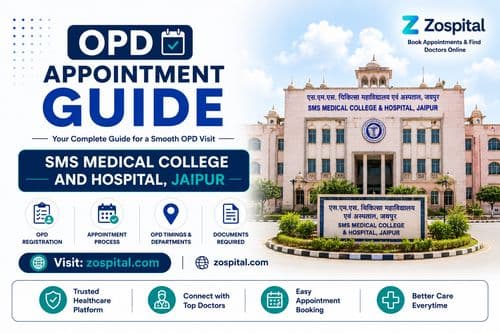
OPD Appointment Guide: SMS Medical College and Hospital, Jaipur
A practical guide for patients visiting Sawai Man Singh (SMS) Hospital, Jaipur — covering the appointment process, OPD timings, registration, government health schemes, and key departments.

Spinal Cord Injury Treatment Cost
## A Comprehensive Guide to Spinal Cord Injury Treatment Costs in India: Surgery, Rehabilitation, and Assistive Devices A spinal cord injury (SCI) is a life-altering event that brings with it a casca
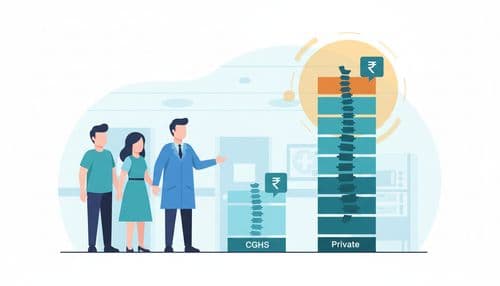
Spine Surgery Cost: CGHS vs Private
A cost comparison of spine surgery (laminectomy / discectomy) across CGHS and private hospitals.

Written by Dr.Nikhil Singh
Anaesthesia, MBBS, MD
Last reviewed: 16 August 2026
Medical Disclaimer
The content provided on Zospital is for general informational and educational purposes only. It is not intended as a substitute for professional medical advice, diagnosis, or treatment. Always seek the advice of your physician or other qualified healthcare provider with any questions you may have regarding a medical condition. Never disregard professional medical advice or delay in seeking it because of something you have read on this website. If you think you may have a medical emergency, call your doctor or emergency services immediately.
Are you a doctor or run a clinic or hospital?
Patients across India are searching Zospital right now. Get a free profile with reviews, timings and direct WhatsApp bookings.