Medications & Pharmacy: Complete Guide

Medically reviewed by Dr.Nikhil Singh, Anaesthesia, MBBS, MD
Last reviewed: 16 Aug 2026
Navigating the Global Pharmacy: A Comprehensive Guide for Travellers and Expatriates
The world of pharmaceuticals can be complex and daunting, especially when you are away from home. Whether you're a globetrotter, an expatriate, or someone looking for more affordable medication options, understanding the intricacies of international pharmacy practices is crucial. This guide provides a comprehensive overview of key considerations, from sourcing medicines from India to understanding prescription refills abroad, ensuring you are well-informed and prepared for your healthcare needs, wherever you may be.
Sourcing Medications from India: A Global Hub for Generics
India is widely recognized as a global leader in the manufacturing and provision of generic drugs. This has made it an attractive option for individuals worldwide seeking cost-effective alternatives to brand-name medications. However, the process of ordering and receiving medicines from India is governed by a complex web of regulations that vary from country to country.
The Legality of Importing for Personal Use:
The legality of importing medicines from India for personal use often falls into a grey area. While Indian law may permit the export of many medications, the import regulations of the destination country are the ultimate deciding factor. For instance, the United States Food and Drug Administration (FDA) generally prohibits the importation of unapproved drugs. However, it may exercise discretion for personal use, typically for a supply of up to 90 days, if the medication is for a serious condition and is not available domestically. It is crucial to check with the foreign embassy of the country you are in or plan to travel to regarding their specific prescription medication rules.
Essential Documentation:
To ensure a smooth process and minimize the risk of customs delays or seizures, having the correct documentation is paramount. Reputable online pharmacies will require a valid prescription from a licensed healthcare professional. Other essential documents typically include:
- A copy of a valid, in-date prescription written in English.
- Proof of purchase, such as a commercial invoice.
- Identification for both the sender and the receiver.
- A letter from the treating physician explaining the medical necessity of the drug can also be beneficial.
Identifying Legitimate Online Pharmacies:
The online space is rife with illegal pharmacies, making it essential to exercise caution. A legitimate Indian online pharmacy will always require a valid prescription for prescription medications. Look for a verifiable physical address and a drug license number on their website. Avoid any website that offers to sell prescription drugs without a prescription.
What Can and Cannot Be Shipped:
Generally, you can ship prescription medicines (with a valid prescription), over-the-counter (OTC) medications, and in some cases, vitamins and dietary supplements. However, the personal importation of controlled substances, such as narcotics and certain psychotropic drugs, is strictly prohibited in many countries without specific licensing.
Managing Prescription Refills While Abroad
Running out of a crucial medication while traveling can be a stressful experience. Proactive planning is the best strategy to avoid this predicament.
Planning Ahead is Key:
Before you travel, assess your medication needs and ensure you have enough to last the duration of your trip, plus extra to account for potential delays. It's advisable to carry at least a week's worth of extra medication. Keep your medications in your carry-on luggage in their original, labeled containers. The name on the prescription label should match the name on your travel documents.
Vacation Overrides and Early Refills:
If your travel dates don't align with your regular refill schedule, you may be able to obtain an early refill. Many insurance plans offer a "vacation override," which allows you to get your medication ahead of schedule. You will likely need to contact your pharmacy or insurance provider to arrange this.
Getting a Prescription Filled in a Foreign Country:
If you find yourself in need of a refill while abroad, there are several steps you can take. In some countries, and for certain medications, a local pharmacist may be able to provide an emergency supply if you have your original prescription or medication container. However, for many prescription-only medications, you will need to see a local doctor to obtain a new prescription. Many major cities and tourist areas have English-speaking clinics.
It's important to note that some common medications in your home country may be restricted or even illegal in others. For example, some ADHD medications and even certain over-the-counter drugs like those containing pseudoephedrine are tightly controlled in some nations. Always research the medication laws of your destination country in advance.
Understanding Medication Equivalents: What's in a Name?
A common challenge when seeking medication abroad is that the brand name you are familiar with may not be available. The same active ingredient is often sold under various brand names in different countries. For example, a medication known as Depon in Greece is sold as Panadol in the UK and Tylenol in the United States.
Finding the Right Equivalent:
The key to finding the correct equivalent is to know the active ingredient of your medication, also known as the generic name. This information is usually printed on the medication packaging, often in smaller print below the brand name.
Several online resources and mobile apps can help you find the equivalent brand names for your medication in different countries. These tools can be invaluable for travelers, expatriates, and healthcare professionals. Some of these resources also provide information on whether a medication requires a prescription in a particular country and if it is a controlled substance.
When in doubt, the most reliable approach is to consult a local pharmacist or doctor. By showing them your current medication or providing the active ingredient name, they can help you find the appropriate local equivalent.
Generic vs. Brand-Name Drugs: Quality, Efficacy, and Cost
One of the most significant considerations for many when it comes to medication is the choice between brand-name and generic drugs. Understanding the similarities and differences can lead to substantial savings without compromising on quality.
What is the Difference?
A generic drug is a medication that has the exact same active ingredient as its brand-name counterpart. It is taken in the same way and produces the same therapeutic effect. The primary differences lie in the inactive ingredients, such as fillers, dyes, and preservatives, which can affect the appearance, and the cost.
Generic drugs can only be manufactured and sold after the patent for the original brand-name drug expires. This patent protection can last for up to 17 years, allowing the original manufacturer to recoup their research and development costs.
Are Generic Drugs as Safe and Effective?
Yes. Regulatory bodies like the U.S. FDA require generic drugs to be "bioequivalent" to their brand-name counterparts. This means they must be absorbed into the body at a similar rate and to a similar extent. A study comparing generics to brand-name drugs found only a minor average difference of 3.5% in absorption into the body. The FDA has strict standards for the quality, safety, and efficacy of generic drugs, and they are continuously monitored after approval.
The Cost Advantage:
The most significant advantage of generic drugs is their lower cost. Because generic manufacturers do not have to repeat the extensive and expensive clinical trials that were required for the original drug, they can sell their products at a much lower price. When multiple companies begin producing the same generic drug, the competition drives prices down even further.
A Global Look at Medication Costs
It is no secret that prescription drug prices can vary dramatically from one country to another. Research has consistently shown that the United States has some of the highest drug prices in the world, particularly for brand-name medications.
One 2022 analysis found that across all drugs, U.S. prices were nearly 2.78 times higher than in comparable countries. For brand-name drugs, the difference was even more stark, with U.S. prices being at least 3.22 times higher.
This price disparity is a key reason why many individuals look to countries like India, a major global supplier of generic drugs, for their medication needs. While the U.S. has a high volume of generic drug use, the lower prices of generics in other countries contribute to the overall lower drug spending abroad.
When to Seek Professional Medical Advice
This guide is for informational purposes only and should not replace professional medical advice. It is essential to consult with a qualified healthcare professional for any health concerns or before making any decisions about your medication.
You should always seek treatment or advice from a doctor or pharmacist when:
- You are starting a new medication.
- You are considering switching from a brand-name to a generic drug, or vice versa.
- You experience any side effects from a medication.
- You need a prescription refill while traveling.
- You are unsure about the correct dosage or administration of your medication.
- You have questions about medication interactions.
Resources and Links Preview
For more detailed information, consider exploring the following resources:
- U.S. Food and Drug Administration (FDA): Provides comprehensive information on drug safety, generic drugs, and personal importation policies.
- International Association for Medical Assistance to Travellers (IAMAT): Offers a wealth of information
Written by
Top Anesthesiologist doctors in Lucknow on Zospital
Verified specialists you can book in minutes.
- Book appointment

Dr. Sanni Deyol Gautam
Anesthesiologist
Lucknow
4.8 - Book appointment

Dr Karanvir Singh Sidhu
Anesthesiologist
Lucknow
4.8 - Book appointment

Dr Harpreet Kaur
Anesthesiologist
Lucknow
4.8 - Book appointment

Dr. Akshat Trivedi
Anesthesiologist
Lucknow
4.5 - Book appointment

Dr. Praful Srivastava
Anesthesiologist
4.8 - Book appointment

Dr. Mohd. Ruheel Khan
Anesthesiologist
Faizabad

“Your Health, Our Priority. Your Voice, Our Guide”
Dr.Nikhil Singh
Anaesthesia, MBBS, MD
Private hospitals in Lucknow on Zospital
Prefer a private option? These hospitals in Lucknow list their doctors and take bookings.
See all hospitals in LucknowRelated Articles

Mediclaim Policy NRI India
## Navigating Healthcare in India: A Comprehensive Mediclaim and Health Insurance Guide for NRIs For Non-Resident Indians (NRIs), maintaining strong ties to India often involves frequent visits, cari
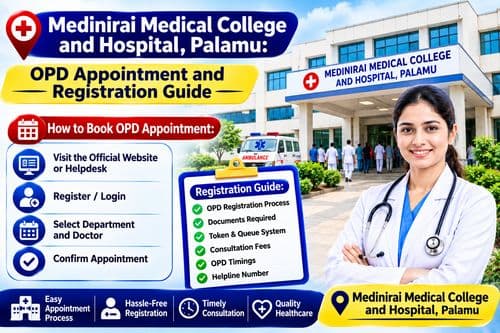
Medinirai Medical College and Hospital, Palamu: OPD Appointment and Registration Guide
Find details on OPD appointments, timings, costs, and available schemes like PM-JAY at Medinirai Medical College and Hospital (MMCH), Palamu.

Meditation Mindfulness Retreat NRI
## A Journey Inward: The NRI’s Guide to Meditation and Mindfulness Retreats in India For Non-Resident Indians (NRIs) returning to their roots, India offers a profound opportunity for reconnection, no

Written by Dr.Nikhil Singh
Anaesthesia, MBBS, MD
Last reviewed: 16 August 2026
Medical Disclaimer
The content provided on Zospital is for general informational and educational purposes only. It is not intended as a substitute for professional medical advice, diagnosis, or treatment. Always seek the advice of your physician or other qualified healthcare provider with any questions you may have regarding a medical condition. Never disregard professional medical advice or delay in seeking it because of something you have read on this website. If you think you may have a medical emergency, call your doctor or emergency services immediately.
Are you a doctor or run a clinic or hospital?
Patients across India are searching Zospital right now. Get a free profile with reviews, timings and direct WhatsApp bookings.