Heart Transplant Costs
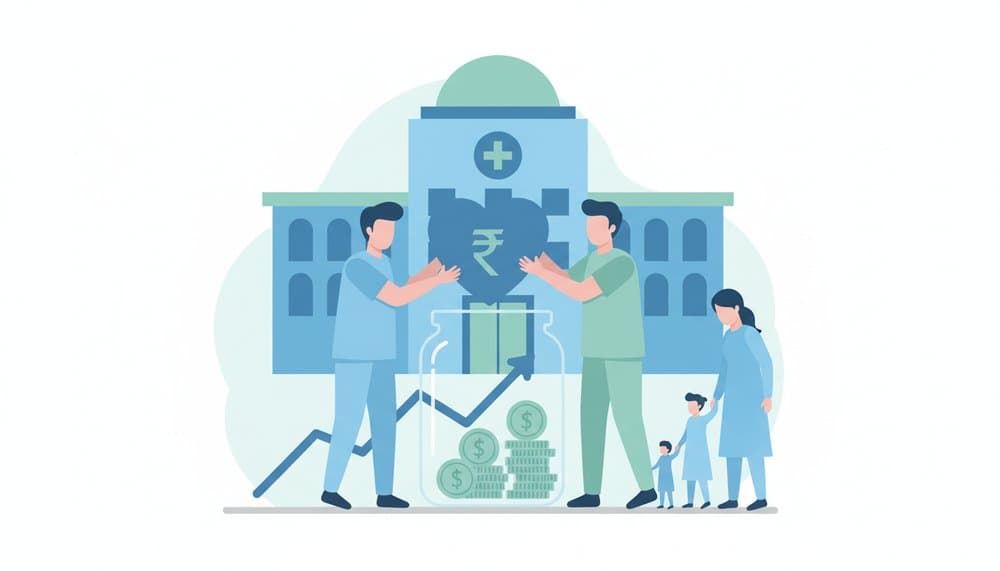
Medically reviewed by Dr.Nikhil Singh, Anaesthesia, MBBS, MD
Last reviewed: 16 Aug 2026
A Comprehensive Guide to Heart Transplant in India: Costs, Timelines, and Critical Decisions
For patients battling end-stage heart failure, a heart transplant can be a life-altering procedure, offering a renewed chance at a full and active life. India has emerged as a global hub for this complex surgery, providing world-class medical care at a fraction of the cost seen in Western countries. This guide offers a detailed overview for patients and their families, covering everything from the financial implications to the emotional and practical considerations of undergoing a heart transplant in India.
Understanding the Need for a Heart Transplant
A heart transplant is the surgical replacement of a diseased or failing heart with a healthy one from a deceased donor. This procedure is typically the last resort for individuals with severe heart conditions that no longer respond to medication or other surgical interventions.
Common conditions leading to a heart transplant include:
- End-stage heart failure: A condition where the heart muscle is too weak to pump blood effectively.
- Severe coronary artery disease: The narrowing or blockage of the arteries supplying blood to the heart.
- Cardiomyopathy: Diseases of the heart muscle.
- Congenital heart defects: Structural heart problems present at birth.
- Valvular heart disease: Issues with the heart valves that control blood flow.
A multidisciplinary team of cardiologists, surgeons, and transplant coordinators will conduct a thorough evaluation to determine a patient's eligibility for a transplant. This assessment includes a comprehensive review of the patient's medical history, current health status, and psychosocial readiness for the lifelong commitment that a transplant entails.
The Financial Landscape of a Heart Transplant in India
While significantly more affordable than in countries like the United States, a heart transplant in India still represents a substantial financial undertaking. The total cost is influenced by a variety of factors, including the hospital's reputation, the surgeon's expertise, the city, the patient's medical condition, and the length of the hospital stay.
Estimated Heart Transplant Costs in India (2026)
The overall cost of a heart transplant in India typically ranges from ₹15 lakhs to ₹35 lakhs. The following tables provide a breakdown of the estimated expenses.
Cost Component — Estimated Cost (INR) — Description
Pre-Transplant Evaluation — ₹50,000 - ₹2,00,000 — Includes extensive diagnostic tests like blood work, imaging, and heart function assessments to determine eligibility and find a suitable donor match.
Surgery & Hospitalization — ₹15,00,000 - ₹27,00,000 — This is the largest component, covering the surgeon's fees, operation theatre charges, anesthesia, and the intensive care unit (ICU) stay, which can last for several weeks.
Post-Operative Care — ₹1,00,000 - ₹3,00,000 — Encompasses the initial recovery period in the hospital, including medications, follow-up consultations, and any necessary rehabilitation.
Total Estimated Initial Cost — ₹16,50,000 - ₹32,00,000 — This represents the upfront cost of the transplant procedure and immediate aftercare.
City-Wise Cost Variation
Metropolitan cities with advanced medical infrastructure tend to have higher costs.
City — Estimated Cost Range (INR)
Delhi/Gurgaon — ₹17,00,000 - ₹26,50,000
Mumbai — ₹18,00,000 - ₹28,00,000
Chennai — ₹16,50,000 - ₹25,00,000
Bangalore — ₹18,00,000 - ₹25,00,000
Hyderabad — ₹18,00,000 - ₹25,50,000
Note: These figures are indicative and can vary based on the hospital and individual patient's condition. It is always advisable to get a detailed quote from the chosen hospital.
Lifelong Medication: A Recurring Expense
Post-transplant, patients must take immunosuppressant medications for the rest of their lives to prevent the body from rejecting the new heart. This is a significant and ongoing financial commitment.
Medication Type — Estimated Monthly Cost (INR) — Annual Estimated Cost (INR)
Immunosuppressants — ₹10,000 - ₹50,000 — ₹1,20,000 - ₹6,00,000
Other Medications & Follow-ups — Varies — Varies
The cost of immunosuppressants can range from ₹10,000 to as high as ₹50,000 per month, depending on the specific drugs prescribed. Regular follow-up appointments and diagnostic tests will also add to the recurring expenses.
Navigating the Waiting List
Once a patient is deemed a suitable candidate, their name is placed on a waiting list for a donor heart. The waiting time in India can vary significantly, from a few weeks to over a year.
Factors influencing the wait time include:
- Blood type and tissue compatibility: Finding a close match is crucial.
- Body size: The donor heart must be of a suitable size for the recipient.
- Medical urgency: Patients in critical condition, often in the ICU or on mechanical support, are given higher priority.
- Geographic location: Organ availability can differ between states.
It's important to understand that the waiting list is not a simple queue; the "first come, first served" principle does not apply. When a donor heart becomes available, the list is searched for the best possible match.
The Role of Insurance
Health insurance can play a crucial role in mitigating the high costs of a heart transplant. Most health insurance policies in India cover organ transplant surgery, often under a critical illness plan.
Key points regarding insurance coverage:
- Coverage Limits: Policies may have a cap on the amount they cover for a transplant. For instance, a policy might cover up to a specified sum insured or a percentage of the total cost.
- Waiting Periods: Critical illness plans typically have a waiting period of up to 90 days before the coverage for organ transplants becomes active.
- Survival Period Clause: Many policies require the insured to survive for a certain period (e.g., 30 days) after the diagnosis necessitating a transplant to be eligible for the payout.
- Donor Expenses: Some policies may also cover the medical expenses incurred by the organ donor.
- Post-Transplant Coverage: A significant challenge for transplant recipients in India is securing health insurance after the surgery. Many insurers are hesitant to cover post-transplant patients, citing high risk, although this is a point of contention and advocacy.
Government schemes like Ayushman Bharat and state-specific health insurance schemes may also provide financial assistance for heart transplants. It is essential to thoroughly review your insurance policy and speak with your provider to understand the extent of your coverage.
Selecting the Right Hospital: A Critical Decision
Choosing the right hospital is paramount to the success of a heart transplant. India boasts several world-class hospitals with experienced cardiac teams.
Criteria for selecting a hospital:
- Accreditation: Look for hospitals with national (NABH) and international (JCI) accreditations, which signify high standards of care.
- Transplant Program Volume and Experience: A hospital that performs a higher number of heart transplants annually is likely to have a more experienced team and better outcomes.
- Success Rates: Inquire about the hospital's one-year and five-year survival rates for heart transplant patients. Leading centers in India report one-year survival rates of 85-90%, which are comparable to global benchmarks.
- Surgeon's Expertise: The experience of the cardiac surgeon and their team is a critical factor.
- Infrastructure: The hospital should have a dedicated cardiac ICU, advanced diagnostic labs, and a robust post-operative care program.
- Multidisciplinary Team: A comprehensive transplant program includes cardiologists, surgeons, transplant coordinators, dietitians, and social workers.
Some of the leading hospitals for heart transplants in India include:
- Apollo Hospitals (Chennai, Delhi, Hyderabad)
- Fortis Healthcare (Delhi, Gurgaon, Mumbai)
- Max Healthcare (Delhi)
- Medanta - The Medicity (Gurgaon)
- Global Hospital (Chennai, Mumbai)
- Narayana Health City (Bangalore)
The Road to Recovery: A Timeline
Recovery from a heart transplant is a gradual process that requires patience and strict adherence to medical advice.
- Immediate Post-Surgery (First few weeks): The patient will be in the ICU for close monitoring. Pain management, breathing support, and prevention of infection are the primary focus.
- Hospital Stay (Several weeks): The total hospital stay can range from a few weeks to a couple of months, depending on the patient's recovery. During this time, the medical team will adjust immunosuppressant medications and educate the patient and family on post-transplant care.
- First Year Post-Transplant: This is a critical period with a higher risk of organ rejection and infection. Regular follow-up appointments, blood tests, and heart biopsies are necessary to monitor the new heart's function.
- Long-Term (Beyond one year): With proper care, many patients can return to a near-normal life. The one-year survival rate in India is around 81-90%, with five-year survival rates at approximately 75%. Many recipients live for 10 to 20 years or even longer.
A Framework for Decision-Making
Deciding to undergo a heart transplant is a monumental decision with profound implications. Here is a framework to guide patients and their families through this process:
- Medical Evaluation and Understanding the Diagnosis:
- Have a clear understanding of your heart condition and why a transplant is being recommended.
- Ask your medical team about all other treatment options
Written by
Top Anesthesiologist doctors in Lucknow on Zospital
Verified specialists you can book in minutes.
- Book appointment

Dr. Sanni Deyol Gautam
Anesthesiologist
Lucknow
4.8 - Book appointment

Dr Karanvir Singh Sidhu
Anesthesiologist
Lucknow
4.8 - Book appointment

Dr Harpreet Kaur
Anesthesiologist
Lucknow
4.8 - Book appointment

Dr. Akshat Trivedi
Anesthesiologist
Lucknow
4.5 - Book appointment

Dr. Praful Srivastava
Anesthesiologist
4.8 - Book appointment

Dr. Mohd. Ruheel Khan
Anesthesiologist
Faizabad

“Your Health, Our Priority. Your Voice, Our Guide”
Dr.Nikhil Singh
Anaesthesia, MBBS, MD
Private hospitals in Lucknow on Zospital
Prefer a private option? These hospitals in Lucknow list their doctors and take bookings.
See all hospitals in LucknowRelated Articles

Herbal Supplements Ayurveda Quality NRI
## A Holistic Guide for NRIs: Navigating the World of Ayurvedic Herbal Supplements in India **A comprehensive resource for Non-Resident Indians on ensuring the quality, authenticity, and safety of Ay

Hernia, Appendix Ya Piles — Surgery Kab Zaroori Hai? Varanasi Guide
Hernia, appendix aur piles me operation kab zaroori hota hai, laparoscopic surgery kya hai, aur Varanasi me ilaj ki jankari aasan bhasha me.

Hernia Surgery Cost Comparison
## A Comprehensive Guide to Hernia Repair Surgery: USA vs. India For individuals facing hernia repair surgery, the decision of where to undergo the procedure is as crucial as the surgery itself. This

Written by Dr.Nikhil Singh
Anaesthesia, MBBS, MD
Last reviewed: 16 August 2026
Medical Disclaimer
The content provided on Zospital is for general informational and educational purposes only. It is not intended as a substitute for professional medical advice, diagnosis, or treatment. Always seek the advice of your physician or other qualified healthcare provider with any questions you may have regarding a medical condition. Never disregard professional medical advice or delay in seeking it because of something you have read on this website. If you think you may have a medical emergency, call your doctor or emergency services immediately.
Are you a doctor or run a clinic or hospital?
Patients across India are searching Zospital right now. Get a free profile with reviews, timings and direct WhatsApp bookings.