Gut Health Ayurveda NRI
Medically reviewed by Dr.Nikhil Singh, Anaesthesia, MBBS, MD
Last reviewed: 16 Aug 2026
A Holistic Guide for NRIs: Cultivating Gut Health and Digestive Wellness Through Ayurveda in India
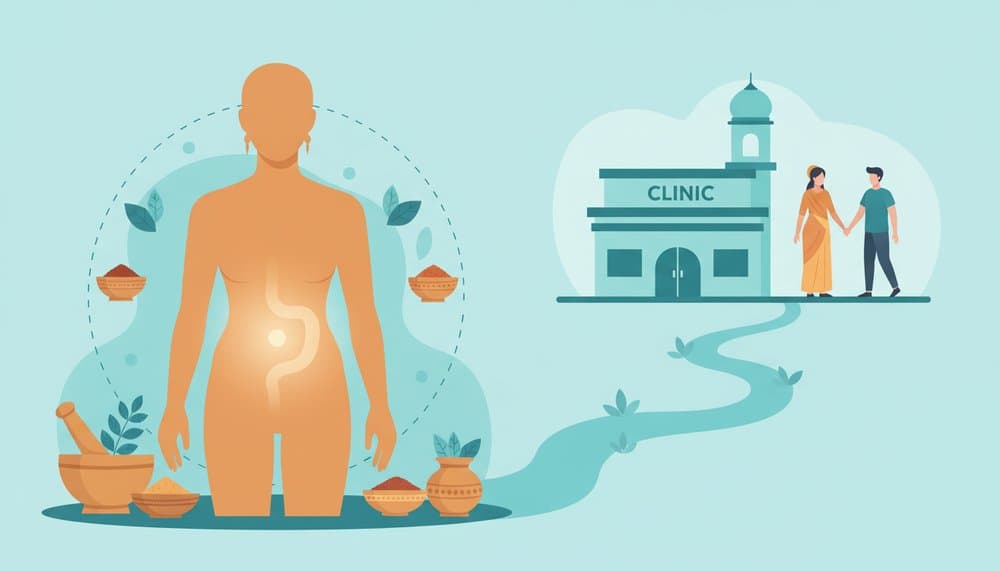
For many Non-Resident Indians (NRIs), returning to India offers a unique opportunity to reconnect with traditional wellness practices. Among the most sought-after of these is Ayurveda, the ancient Indian system of medicine that places profound emphasis on digestive health as the cornerstone of overall well-being. This comprehensive guide is designed for NRIs looking to explore Ayurvedic solutions for gut health, offering insights into its philosophy, dietary principles, treatment programs, and practical advice on navigating the process from abroad.
The Ayurvedic Perspective on Digestion: More Than Just the Gut
In Ayurveda, the concept of a healthy gut extends far beyond the modern understanding of digestion. At its heart lies the principle of Agni, the digestive fire. A balanced Agni is responsible for breaking down food, absorbing essential nutrients, and eliminating waste effectively. When Agni is strong, the body and mind thrive. However, a weakened or imbalanced Agni leads to the formation of Ama, a sticky, toxic substance that can clog the body's channels, disrupt the balance of the three fundamental energies or doshas (Vata, Pitta, and Kapha), and become the root cause of many diseases.
The symptoms of an imbalanced Agni can manifest in various ways, depending on your dominant dosha:
- Vata Imbalance: Irregular appetite, gas, bloating, constipation, and abdominal discomfort.
- Pitta Imbalance: Hyperacidity, heartburn, sour or burning sensations, and loose stools.
- Kapha Imbalance: Sluggish digestion, heaviness after meals, and excessive mucus.
Ayurveda and the Microbiome: An Ancient Science Meets Modern Discovery
While the term "microbiome" is a recent addition to our wellness vocabulary, the principles of Ayurveda have long acknowledged the existence of microorganisms within the body. The ancient texts refer to Krimi, some of which are considered Sahaja (natural or commensal), aligning with the modern concept of a healthy gut flora.
Recent scientific research is beginning to validate these ancient insights. Studies suggest that Ayurvedic dietary principles and herbal formulations can positively influence the gut microbiome. For instance, the popular Ayurvedic preparation Triphala has been shown to have prebiotic effects, promoting the growth of beneficial bacteria like Lactobacillus and Bifidobacterium. This growing body of evidence suggests that Ayurveda's personalized approach to diet and lifestyle can be a powerful tool for nurturing a diverse and resilient gut microbiome.
Ayurvedic Dietary Recommendations for a Healthy Gut
Ayurveda emphasizes that "you are what you digest." Therefore, dietary modifications are a fundamental aspect of restoring and maintaining gut health. Here are some key principles:
- Eat According to Your Dosha: An Ayurvedic practitioner can help you determine your unique constitution and recommend a diet that pacifies your dominant dosha.
- Vata-Pacifying Diet: Focus on warm, cooked, and nourishing foods like soups, stews, and well-cooked grains. Avoid cold, raw, and dry foods.
- Pitta-Pacifying Diet: Favor cooling and refreshing foods such as leafy greens, cucumbers, and sweet fruits. Reduce spicy, oily, and excessively sour or salty foods.
- Kapha-Pacifying Diet: Opt for light, warm, and dry foods. Incorporate plenty of spices to stimulate digestion and reduce heavy, oily, and processed foods.
- The Six Tastes: A balanced Ayurvedic meal incorporates all six tastes: sweet, sour, salty, pungent, bitter, and astringent. This ensures you receive a wide range of nutrients and feel satisfied.
- Mindful Eating: In today's fast-paced world, how you eat is as important as what you eat. Ayurveda recommends eating in a calm and relaxed environment, chewing your food thoroughly, and avoiding distractions like phones and television.
- Timing of Meals: Eat at regular times each day to train your Agni. Ayurveda suggests that the largest meal should be consumed at midday when the digestive fire is at its peak. Dinner should be lighter and eaten at least two to three hours before bedtime.
- The Power of Spices: Incorporate digestive spices into your cooking. Ginger, cumin, coriander, fennel, and turmeric are known to kindle Agni, reduce gas and bloating, and soothe inflammation.
- Hydration: Sip on warm water throughout the day to aid digestion and detoxification. Avoid ice-cold drinks, especially with meals, as they can dampen the digestive fire.
Ayurvedic Treatment Programs for Digestive Wellness in India
For those seeking a more intensive approach to gut health, India offers a variety of Ayurvedic treatment programs. These are often conducted in specialized centers or hospitals and are tailored to individual needs.
Panchakarma: The Ultimate Detoxification
Panchakarma is Ayurveda's signature detoxification and rejuvenation therapy. It is a comprehensive program designed to cleanse the body of accumulated Ama and restore the balance of the doshas. For digestive issues, specific therapies within Panchakarma are particularly beneficial:
- Virechana (Therapeutic Purgation): This involves the use of herbal laxatives to cleanse the gastrointestinal tract, liver, and gallbladder. It is highly effective for pitta-related digestive issues like hyperacidity and inflammation.
- Basti (Medicated Enema): Considered the mother of all Panchakarma treatments, Basti involves introducing herbal oils and decoctions into the colon. It is the primary treatment for vata-related digestive problems such as constipation, gas, and bloating.
A typical Panchakarma program involves three stages:
- Purvakarma (Preparatory Phase): This includes internal and external oleation (Snehana) and therapeutic sweating (Swedana) to loosen and move toxins towards the digestive tract for elimination.
- Pradhankarma (Main Cleansing Phase): This is when the main detoxification procedures like Virechana or Basti are administered under the guidance of an Ayurvedic doctor.
- Paschatkarma (Post-Therapeutic Phase): This involves a rejuvenating diet, lifestyle recommendations, and herbal supplements to restore and strengthen Agni.
The duration of a Panchakarma program can range from 7 to 21 days or even longer, depending on the individual's health condition.
Navigating Your Ayurvedic Journey: A Practical Guide for NRIs
For an NRI, planning an Ayurvedic treatment in India from abroad can seem daunting. Here is a step-by-step guide to help you navigate the process smoothly.
Selecting a Practitioner and Center
Choosing the right practitioner and center is crucial for a safe and effective Ayurvedic experience. Here are some key criteria to consider:
- Qualifications of the Doctor: Look for practitioners with a Bachelor of Ayurvedic Medicine and Surgery (BAMS) or a Doctor of Medicine (MD) in Ayurveda from a reputable institution.
- Specialization and Experience: Seek out doctors or centers that specialize in digestive disorders. Experienced practitioners are often better at diagnosing subtle imbalances.
- Authenticity over Aesthetics: A luxurious setting does not always guarantee authentic Ayurveda. Focus on the quality of the consultation, the personalization of the treatment plan, and the expertise of the staff.
- Transparency and Communication: A trustworthy clinic will provide clear explanations of your condition, the proposed treatment plan, and the expected outcomes without making unrealistic promises.
- Patient Reviews and Testimonials: Look for reviews from previous patients to get an idea of their experiences.
- Accreditation: Check if the center is recognized by government bodies or Ayurvedic associations.
Booking from Abroad
Many reputable Ayurvedic centers now cater to international clients and NRIs, offering a seamless booking process:
- Online Research and Initial Contact: Start by researching centers that specialize in digestive health. Many have detailed websites and offer online contact forms or email addresses for inquiries.
- Virtual Consultations: A growing number of centers provide online consultations via video call. This allows you to discuss your health concerns with an Ayurvedic doctor, who can then recommend a suitable treatment plan and duration.
- The Ayush Visa: The Indian government has introduced a special "Ayush Visa" for foreign nationals seeking treatment under traditional Indian systems of medicine, including Ayurveda. The Ayurvedic center can provide you with a medical invitation letter to support your visa application.
- All-Inclusive Packages: Many centers offer packages that include accommodation, Ayurvedic meals, treatments, yoga sessions, and sometimes even airport transfers. This can simplify the planning process significantly.
- Payment: Most centers accept online payments, making it easy to confirm your booking from abroad.
What to Expect During Your Treatment
- Initial Consultation: Upon arrival, you will have a detailed consultation with an Ayurvedic doctor. This will involve a physical examination, a discussion of your medical history, diet, and lifestyle, and a pulse diagnosis (Nadi Pariksha).
- Personalized Plan: Based on the consultation, the doctor will create a personalized treatment plan, including therapies, diet, and herbal medicines.
- Daily Routine: A typical day at an Ayurvedic center involves a structured routine of treatments, meals, yoga, meditation, and rest.
- Diet: You will be served a simple, wholesome, and sattvic diet that is tailored to your dosha and the specific stage of your treatment.
- Post-Treatment Care: At the end of your program, the doctor will provide you with detailed post-
Written by
Top Anesthesiologist doctors in Lucknow on Zospital
Verified specialists you can book in minutes.
- Book appointment

Dr. Sanni Deyol Gautam
Anesthesiologist
Lucknow
4.8 - Book appointment

Dr Karanvir Singh Sidhu
Anesthesiologist
Lucknow
4.8 - Book appointment

Dr Harpreet Kaur
Anesthesiologist
Lucknow
4.8 - Book appointment

Dr. Akshat Trivedi
Anesthesiologist
Lucknow
4.5 - Book appointment
Dr. Praful Srivastava
Anesthesiologist
4.8 - Book appointment

Dr. Mohd. Ruheel Khan
Anesthesiologist
Faizabad

“Your Health, Our Priority. Your Voice, Our Guide”
Dr.Nikhil Singh
Anaesthesia, MBBS, MD
Private hospitals in Lucknow on Zospital
Prefer a private option? These hospitals in Lucknow list their doctors and take bookings.
See all hospitals in LucknowRelated Articles

Gynecology & Women's Health Guide
## Navigating Women's Health: A Comprehensive Guide to Gynecological Care Women's health is a journey with unique needs and considerations at every stage of life. From the first gynecological visit t
Ghutne Aur Jodo Ka Dard? Haddi Ka Doctor in Lucknow — Puri Jankari
Ghutne ka dard, jodo ki sujan ya fracture — haddi ke doctor ko kab dikhayein, kaunse tests hote hain, aur Lucknow me ilaj ki jankari.

Haddi Ka Doctor in Prayagraj: Jodo Ka Dard, Fracture aur Ilaj
Prayagraj me ghutne-jodo ke dard ya fracture ke liye haddi ke doctor ko kab dikhayein, kaunse tests hote hain — aasan bhasha me jankari.
Written by Dr.Nikhil Singh
Anaesthesia, MBBS, MD
Last reviewed: 16 August 2026
Medical Disclaimer
The content provided on Zospital is for general informational and educational purposes only. It is not intended as a substitute for professional medical advice, diagnosis, or treatment. Always seek the advice of your physician or other qualified healthcare provider with any questions you may have regarding a medical condition. Never disregard professional medical advice or delay in seeking it because of something you have read on this website. If you think you may have a medical emergency, call your doctor or emergency services immediately.
Are you a doctor or run a clinic or hospital?
Patients across India are searching Zospital right now. Get a free profile with reviews, timings and direct WhatsApp bookings.