Gastroenterology: Digestive System Care Guide
Medically reviewed by Dr.Nikhil Singh, Anaesthesia, MBBS, MD
Last reviewed: 16 Aug 2026
A Comprehensive Guide to Gastroenterology: From Common Surgeries to Chronic Disease Management
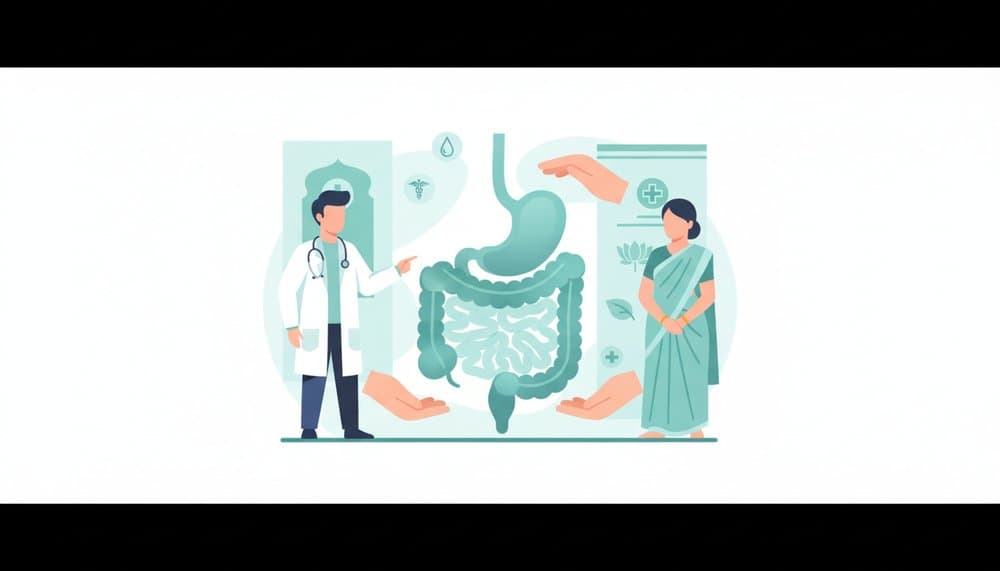
Gastroenterology is the branch of medicine focused on the health of the digestive system, also known as the gastrointestinal (GI) tract. This complex system, which includes the esophagus, stomach, intestines, liver, gallbladder, and pancreas, is responsible for digesting food, absorbing nutrients, and removing waste. When any part of this system is not functioning correctly, it can significantly impact your overall well-being. This comprehensive guide serves as an authoritative overview of key areas within gastroenterology, from common surgical procedures and digestive diseases to liver health and weight management surgeries.
Navigating Common Gastrointestinal Surgeries
Many conditions affecting the digestive tract may require surgical intervention. These procedures are among the most common surgeries performed worldwide. Modern techniques, particularly minimally invasive laparoscopic surgery, have transformed the patient experience, often leading to shorter recovery times and reduced pain compared to traditional open surgery.
Hernia Repair
A hernia occurs when an organ or fatty tissue squeezes through a weak spot in a surrounding muscle or connective tissue. Most hernias develop in the abdomen or groin and can be caused by a combination of muscle weakness and strain. While some hernias are asymptomatic, others can cause pain and discomfort.
- Types of Hernias: Common types include inguinal (inner groin), femoral (outer groin), umbilical (belly button), and hiatal (upper stomach).
- Surgical Options: Hernia repair involves pushing the bulging tissue back into place and reinforcing the weakened muscle wall, often with surgical mesh. This can be done through a single, larger incision (open surgery) or via several small incisions using a camera and specialized instruments (laparoscopic surgery).
- Recovery: Recovery time varies depending on the type of surgery. Laparoscopic surgery patients may return to normal routines within a couple of weeks, while open surgery can require a longer recuperation period.
Gallbladder Removal (Cholecystectomy)
The gallbladder is a small organ located beneath the liver that stores bile, a digestive fluid. The most common reason for gallbladder removal is the presence of gallstones, which are hardened deposits of digestive fluid that can cause inflammation, pain, and other complications.
- Surgical Options: Cholecystectomy is most commonly performed laparoscopically. A surgeon makes a few small incisions to insert a camera and tools to remove the gallbladder. In some cases, such as severe inflammation or scarring from previous surgeries, an open procedure with a larger incision may be necessary.
- Life After Gallbladder Removal: You can live a perfectly normal life without a gallbladder. Bile will flow directly from the liver into the small intestine, although some people may experience temporary changes in bowel habits.
Appendix Removal (Appendectomy)
The appendix is a small, finger-shaped pouch attached to the large intestine. When it becomes inflamed and infected, a condition known as appendicitis, it typically requires immediate surgical removal to prevent it from rupturing.
- Surgical Options: An appendectomy can be performed as an open surgery or, more commonly, as a laparoscopic procedure. The laparoscopic approach involves smaller incisions, a camera to view the organs, and specialized tools to remove the appendix. Robotic-assisted appendectomy is another minimally invasive option that offers surgeons enhanced precision.
- Recovery: Full recovery from an appendectomy takes about six weeks, though most people can return to work or school within one to three weeks. Laparoscopic surgery generally allows for a quicker return to normal activities.
Understanding Digestive Diseases
Digestive diseases encompass a wide range of conditions that affect the GI tract. While some are acute and resolve quickly, many are chronic and require long-term management.
Irritable Bowel Syndrome (IBS)
IBS is a common disorder that affects the large intestine, causing symptoms like cramping, abdominal pain, bloating, gas, diarrhea, and constipation. IBS does not cause changes in bowel tissue or increase the risk of colorectal cancer, but its symptoms can be uncomfortable and disruptive. Management often involves a combination of approaches.
- Dietary Changes: Identifying and avoiding trigger foods is a key step.
- Lifestyle Adjustments: Incorporating exercise and stress management techniques like meditation and yoga can be beneficial.
- Medications: Several medications are available to manage specific symptoms, such as relaxing the colon or managing bowel movements.
Inflammatory Bowel Disease (IBD)
IBD is a term that primarily refers to two conditions characterized by chronic inflammation of the GI tract: Crohn's disease and ulcerative colitis. IBD can be debilitating and sometimes leads to life-threatening complications.
- Crohn's Disease: Can affect any part of the GI tract from the mouth to the anus, and often involves patches of inflammation.
- Ulcerative Colitis: Is limited to the large intestine (colon) and rectum.
- Treatment: Management aims to reduce inflammation and maintain remission. This may involve lifestyle changes, medications such as biologics that target specific parts of the immune system, and in some cases, surgery to remove damaged portions of the digestive tract.
Gastroesophageal Reflux Disease (GERD)
GERD is a chronic condition where stomach acid frequently flows back into the esophagus. This acid reflux can irritate the lining of your esophagus and cause symptoms like heartburn, regurgitation, and difficulty swallowing.
- Lifestyle Modifications: The first step in managing GERD often involves lifestyle changes. This includes avoiding trigger foods like chocolate, coffee, and spicy or fried foods. Maintaining a healthy weight and elevating the head of the bed can also help.
- Treatment Options: For persistent symptoms, medications may be recommended. In more severe cases, surgical procedures to reinforce the lower esophageal sphincter may be an option.
A Focus on Liver Health
The liver is a vital organ that performs hundreds of essential tasks, from filtering toxins from the blood to producing bile for digestion. Various conditions can affect liver health, and if left untreated, can lead to serious complications.
Hepatitis
Hepatitis refers to inflammation of the liver. While it can be caused by autoimmune diseases or toxic substances like alcohol, it is most commonly caused by a virus. The main types of viral hepatitis are A, B, C, D, and E.
- Transmission: Hepatitis A and E are typically spread through contaminated food or water. Hepatitis B, C, and D are usually transmitted through contact with infected body fluids.
- Chronic Hepatitis and Its Risks: Hepatitis B and C can lead to chronic disease, which can progress to fibrosis (scarring), cirrhosis, or even liver cancer. Many people with chronic hepatitis are unaware they have the infection because they have no symptoms.
Nonalcoholic Fatty Liver Disease (NAFLD)
NAFLD is a condition in which excess fat builds up in the liver, not caused by heavy alcohol use. It is one of the most common causes of chronic liver disease globally and is often associated with obesity and type 2 diabetes.
- Progression: In some individuals, NAFLD can progress to nonalcoholic steatohepatitis (NASH), a more aggressive form of the disease involving liver inflammation and scarring.
- Management: The cornerstone of NAFLD treatment is lifestyle modification. Weight loss through a healthy diet, such as the Mediterranean diet, and regular physical activity can reduce liver fat, inflammation, and even fibrosis. In 2024, the first medication specifically for NASH, resmetirom, was approved, targeting liver metabolism to reduce fat and inflammation.
Bariatric Surgery for Weight Management
Bariatric surgery, or weight loss surgery, is a group of procedures that can help people with obesity lose weight. These surgeries work by restricting the amount of food the stomach can hold or by reducing the absorption of nutrients.
Types of Bariatric Surgery
- Gastric Sleeve (Sleeve Gastrectomy): This is the most common procedure, where a large portion of the stomach is removed, leaving a smaller, banana-shaped "sleeve." This restricts food intake and reduces hunger-inducing hormones.
- Gastric Bypass (Roux-en-Y Gastric Bypass): This procedure involves creating a small stomach pouch and rerouting the digestive system to bypass a portion of the stomach and small intestine, which reduces both food intake and nutrient absorption.
- Comparing Procedures: Gastric sleeve patients typically lose 60-70% of their excess body weight within 12 to 18 months, while gastric bypass patients may lose 50-80% in a similar timeframe. Bariatric surgery can also lead to the resolution of NASH in a majority of patients.
Cost Comparisons in Gastroenterology Care
The cost of gastroenterological care can vary significantly based on the procedure, insurance coverage, geographic location, and the type of facility.
Costs of Common GI Surgeries in the U.S.
- Hernia Repair: Without insurance, the cost can range from approximately $4,000 to over $14,000. Laparoscopic repair for a unilateral hernia may have higher initial costs than open surgery due to equipment, but this can sometimes be offset by shorter hospital stays.
- Gallbladder Removal: The average cost without insurance can range from about $3,000 to over $6,300, but can be much higher depending on the facility. Laparoscopic surgery is generally less expensive than open surgery, with one source citing an average cos
Written by
Top Anesthesiologist doctors in Lucknow on Zospital
Verified specialists you can book in minutes.
- Book appointment

Dr. Sanni Deyol Gautam
Anesthesiologist
Lucknow
4.8 - Book appointment

Dr Karanvir Singh Sidhu
Anesthesiologist
Lucknow
4.8 - Book appointment

Dr Harpreet Kaur
Anesthesiologist
Lucknow
4.8 - Book appointment

Dr. Akshat Trivedi
Anesthesiologist
Lucknow
4.5 - Book appointment

Dr. Praful Srivastava
Anesthesiologist
4.8 - Book appointment

Dr. Mohd. Ruheel Khan
Anesthesiologist
Faizabad

“Your Health, Our Priority. Your Voice, Our Guide”
Dr.Nikhil Singh
Anaesthesia, MBBS, MD
Private hospitals in Lucknow on Zospital
Prefer a private option? These hospitals in Lucknow list their doctors and take bookings.
See all hospitals in LucknowRelated Articles

Gauhati Medical College Hospital (GMCH) Appointment & Cost Guide
Gauhati Medical College Hospital (GMCH) Appointment & Cost Guide

GB Pant Hospital (GIPMER) OPD Appointment: A Patient Guide
A factual guide for patients seeking OPD consultation at Govind Ballabh Pant Institute of Medical Education and Research (GIPMER), also known as GB Pant Hospital, a government-run tertiary care hospital in New Delhi managed by the Delhi government.

General Hospital Ernakulam: OPD Appointment, Fees, and Schemes
A guide to outpatient (OPD) appointments, registration processes, consultation fees, and financial assistance schemes at General Hospital Ernakulam, Kerala.

Written by Dr.Nikhil Singh
Anaesthesia, MBBS, MD
Last reviewed: 16 August 2026
Medical Disclaimer
The content provided on Zospital is for general informational and educational purposes only. It is not intended as a substitute for professional medical advice, diagnosis, or treatment. Always seek the advice of your physician or other qualified healthcare provider with any questions you may have regarding a medical condition. Never disregard professional medical advice or delay in seeking it because of something you have read on this website. If you think you may have a medical emergency, call your doctor or emergency services immediately.
Are you a doctor or run a clinic or hospital?
Patients across India are searching Zospital right now. Get a free profile with reviews, timings and direct WhatsApp bookings.