Bleeding During Pregnancy: A Guide for Indian Moms-to-Be
More in Gynecologist Guides
Medically reviewed by Dr Aparna Khandelia, Obs & Gynae Surgeon, MBBS, MS
Last reviewed: 9 Aug 2026 · How we review health content
Bleeding During Pregnancy: A Common Concern
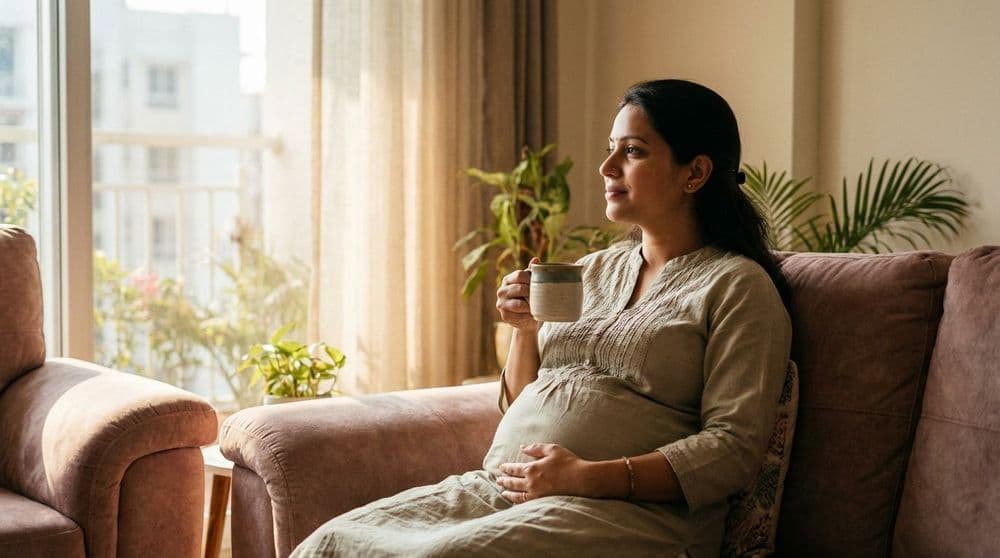
Seeing any amount of blood during pregnancy can be frightening for an expecting mother and her family. The first thought is often the worst. However, it's important to know that bleeding during pregnancy, especially light spotting in the first trimester, is quite common and doesn't always signal a serious problem. As noted by Cloudnine Hospitals, light bleeding spots are often not serious. That said, it's a symptom that should never be ignored. This guide will walk you through the potential causes and help you understand when to seek immediate medical care.
Pregnancy Me Bleeding Ho To Kya Kare?
Pregnancy me halki spotting kabhi-kabhi aam ho sakti hai, lekin zyada bleeding, dard ke saath bleeding, ya baar-baar hone par turant doctor se milna zaroori hai. Khud dawa na lein. Kis stage par bleeding ka kya matlab ho sakta hai — puri jankari neeche English me padhein.
Understanding First Trimester Bleeding (Weeks 1-12)
Many women experience some form of light bleeding or spotting in the early weeks. This is the most common time for bleeding to occur, and it often has a harmless cause.
Implantation Bleeding
One of the earliest causes is implantation bleeding. According to Sterling Hospitals, this happens when the fertilized egg attaches itself to the lining of the uterus, about 6 to 12 days after conception. This is often mistaken for a light period.
- What it looks like: Usually very light, often just a few spots of pink or brown blood.
- Duration: Typically lasts from a few hours to a couple of days.
Cervical Changes
During pregnancy, your body increases blood supply to the cervix. This can make the area more sensitive. Activities like intercourse or even a pelvic exam can cause minor irritation and light bleeding. This is generally not a cause for alarm but should be mentioned to your doctor.
More Serious Causes
While often harmless, first-trimester bleeding can sometimes indicate a more serious issue that requires immediate attention.
- Miscarriage: This is the loss of a pregnancy before the 20th week. Bleeding may start as light spotting but can become heavy, often accompanied by abdominal cramps and the passing of tissue.
- Ectopic Pregnancy: This is a rare but life-threatening condition where the fertilized egg implants outside the uterus, usually in a fallopian tube. It can cause vaginal bleeding along with sharp abdominal or shoulder pain and dizziness.
Bleeding in the Second and Third Trimesters
Bleeding later in pregnancy is less common and more likely to be associated with a complication that requires medical attention.
Placental Issues
- Placenta Previa: This condition occurs when the placenta partially or completely covers the cervix. It can cause sudden, bright red, painless bleeding.
- Placental Abruption: A serious condition where the placenta detaches from the wall of the uterus before birth. It causes vaginal bleeding, severe abdominal pain, and uterine contractions.
Preterm Labor
If bleeding occurs before the 37th week, it could be a sign of preterm labor. According to Apollo Hospitals, if bleeding is severe before this mark, you must contact your doctor immediately. Other signs include contractions, pelvic pressure, and a change in vaginal discharge.
When to See a Doctor: Red Flags
While any bleeding should be reported to your healthcare provider, some symptoms warrant an immediate trip to the hospital. The Mayo Clinic advises contacting your doctor right away if you experience the following:
- Heavy Bleeding: Soaking through a sanitary pad in an hour.
- Bright Red Blood: As opposed to pink or brown spotting.
- Passing Clots or Tissue: This can be a sign of miscarriage.
- Severe Pain or Cramping: Especially if it's on one side of your abdomen.
- Dizziness or Fainting: This could indicate significant blood loss or an ectopic pregnancy.
- Fever or Chills: These may accompany an infection.
Taking care of yourself is paramount. If you experience bleeding, it's best to use a sanitary pad, not a tampon, and rest (ghar par aaram karein) until you can speak with your doctor. They can provide the right advice and peace of mind for you and your growing family.
Experiencing persistent symptoms? Consult Dr. Richa Gangwar, a leading Gynaecologist in Lucknow. Book Appointment
Related reading
Top Gynecologist doctors in Lucknow on Zospital
Explore professional profiles and available appointment options.
- Book appointment
Dr. Richa Gangwar
Gynecologist
Lucknow
Verified•4.9 - Book appointment

Dr. Anjana Jain
Gynecologist
Lucknow
4.9 - Book appointment

Dr. Peeyusha Wadhwani Rajani
Gynecologist
Lucknow
4.9 - Book appointment

Dr. Rita Das
Gynecologist
Lucknow
4.5 - Book appointment
Dr. Asha Mishra
Gynecologist
Lucknow
4.9 - Book appointment
Dr. Zakia Rahman
Gynecologist
Lucknow
5
Have More Questions?
Find quick answers to common questions about our services, appointments, and patient care.
You should contact your doctor right away for moderate to heavy bleeding, if you pass tissue from your vagina, or if the bleeding is accompanied by belly pain, cramping, fever, or chills. For light spotting that goes away in a day, mention it at your next prenatal visit.
Serious bleeding is often heavy (soaking a pad in an hour), bright red, and may be accompanied by severe abdominal pain, shoulder pain, dizziness, or fainting. If you experience these symptoms, you should seek emergency medical care immediately.
Spotting is very light bleeding, often pink or brown. Miscarriage bleeding is typically heavier, more like a period, and is often accompanied by cramping in the lower abdomen and may involve passing fluid or tissue from the vagina.

“Your Partner in Health, From Adolescence to Motherhood & Beyond.”
Dr Aparna Khandelia
Obs & Gynae Surgeon, MBBS, MS
Private hospitals in Lucknow on Zospital
Prefer a private option? These hospitals in Lucknow list their doctors and take bookings.
- Paarth Eye Hospital & Retina Centre
- Urmila Devi Memorial Hospital- Child Specialist Hospital in Lucknow | Pediatrician hospital
- SPARSH CHILDREN'S HOSPITAL & VACCINATION CENTER | Child Hospital in Raebareli Road Lucknow | Dr. Akhilesh Pandey |
Related Articles
Chandipura Virus: A Guide for North Indian Families
A guide to understanding the Chandipura virus, a serious illness affecting children. Learn the key symptoms and how to protect your family.

IMD Warns of Cold Wave in North India: Stay Safe Tips
The IMD has issued a warning as a severe cold wave is expected to hit North India. This guide provides crucial health and safety tips for you and your family.
Dengue in Chandigarh: A Post-Monsoon Prevention Guide
An extended monsoon has led to a spike in dengue cases in Chandigarh. This guide covers crucial prevention strategies and symptoms to watch out for.

Written by Dr Aparna Khandelia
Obs & Gynae Surgeon, MBBS, MS
Last reviewed: 9 August 2026
Medical Disclaimer
The content provided on Zospital is for general informational and educational purposes only. It is not intended as a substitute for professional medical advice, diagnosis, or treatment. Always seek the advice of your physician or other qualified healthcare provider with any questions you may have regarding a medical condition. Never disregard professional medical advice or delay in seeking it because of something you have read on this website. If you think you may have a medical emergency, call your doctor or emergency services immediately.
Are you a doctor or run a clinic or hospital?
Patients across India are searching Zospital right now. Get a free profile with reviews, timings and direct WhatsApp bookings.